
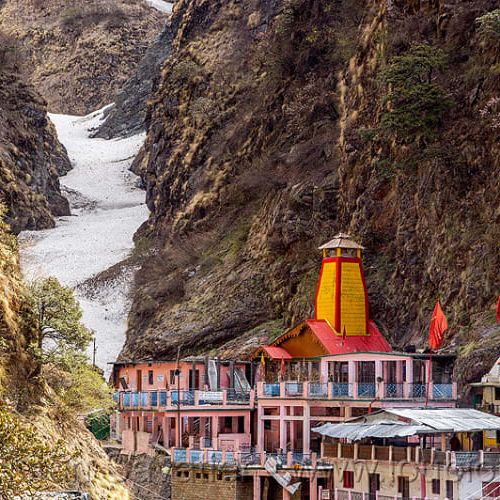
Yamunotri Temple
Divine Yamunotri Temple, the sacred source of Maa Yamuna, blessing devotees with purity, prosperity, protection, and spiritual liberation.
Disclamer:
Stuti & Sloka
ॐ यमुनायै नमः॥
Translation:
Salutations to Goddess Yamuna.
सर्वतीर्थमयी पुण्या सर्वपापप्रणाशिनी। यमुना देवि मे नित्यं भव भक्तिप्रदायिनी॥
Translation:
Maa Yamuna grants devotion and removes sins..
जय जय श्री यमुने मातः पापनाशिनि शुभप्रदे॥
Translation:
Victory to Maa Yamuna, the giver of auspicious blessings.
Sacred Mantras
Sanskrit Mantra
ॐ श्री यमुनायै नमः॥
Yamuna Devi Mantra
ॐ ह्रीं श्रीं यमुनायै नमः॥
Story of The Temple
Divine Tales and Sacred History
"माँ यमुना के दर्शन, स्मरण और स्नान से मनुष्य पापों से मुक्त होकर धर्म और मोक्ष के मार्ग पर अग्रसर होता है।"
Divine Glory of Yamunotri Temple
Yamunotri Temple is one of the holiest shrines in Hinduism and the sacred source temple dedicated to Maa Yamuna. Situated in the breathtaking Garhwal Himalayas of Uttarakhand at an elevation of approximately 3,293 meters, the temple marks the origin of the revered Yamuna River.
As one of the four sacred destinations of the Char Dham Yatra, Yamunotri holds immense religious significance for devotees. Pilgrims undertake this sacred journey to seek blessings, spiritual purification, and divine grace from Maa Yamuna.
Surrounded by snow-covered peaks, glaciers, and natural beauty, the temple offers a deeply spiritual atmosphere. The flowing waters of the Yamuna symbolize purity, devotion, and the nurturing energy of the Divine Mother.
A visit to Yamunotri is believed to bless devotees with health, prosperity, peace, and spiritual upliftment..
Mythological Origin and Sacred Legends
According to Hindu scriptures, Maa Yamuna is the daughter of Surya Dev (the Sun God) and sister of Yama, the God of Death. It is believed that those who worship Maa Yamuna receive protection from untimely suffering and are blessed with long life and spiritual well-being.
Ancient legends describe how the Yamuna River descended from the celestial realms to benefit humanity. The river is closely associated with Lord Krishna, whose divine childhood pastimes took place along its sacred banks.
The Yamunotri region is also linked to the great sage Asit Muni, who performed penance here and worshipped both Ganga and Yamuna. The mythology of Yamunotri reflects purity, devotion, compassion, and divine protection.
These sacred stories continue to inspire millions of pilgrims who visit the temple each year.
Historical Background and Temple Architecture
The present Yamunotri Temple is traditionally believed to have been built by Maharaja Pratap Shah and later renovated by various rulers and devotees.
The temple's architecture is simple yet spiritually captivating. Constructed in the traditional Himalayan style, it harmoniously blends with the surrounding natural landscape. The sanctum houses the sacred idol of Maa Yamuna, worshipped with deep devotion.
One of the most remarkable features of the temple is the nearby Surya Kund, a natural hot water spring where devotees cook rice and potatoes as sacred offerings. Another revered site is Divya Shila, a sacred rock worshipped before entering the temple.
The temple's simplicity and serene location enhance its spiritual significance.
Spiritual Importance and Religious Significance
Yamunotri Temple is regarded as a powerful center of spiritual purification and divine blessings. Devotees believe that worshipping Maa Yamuna removes sins, grants peace of mind, and protects them from difficulties.
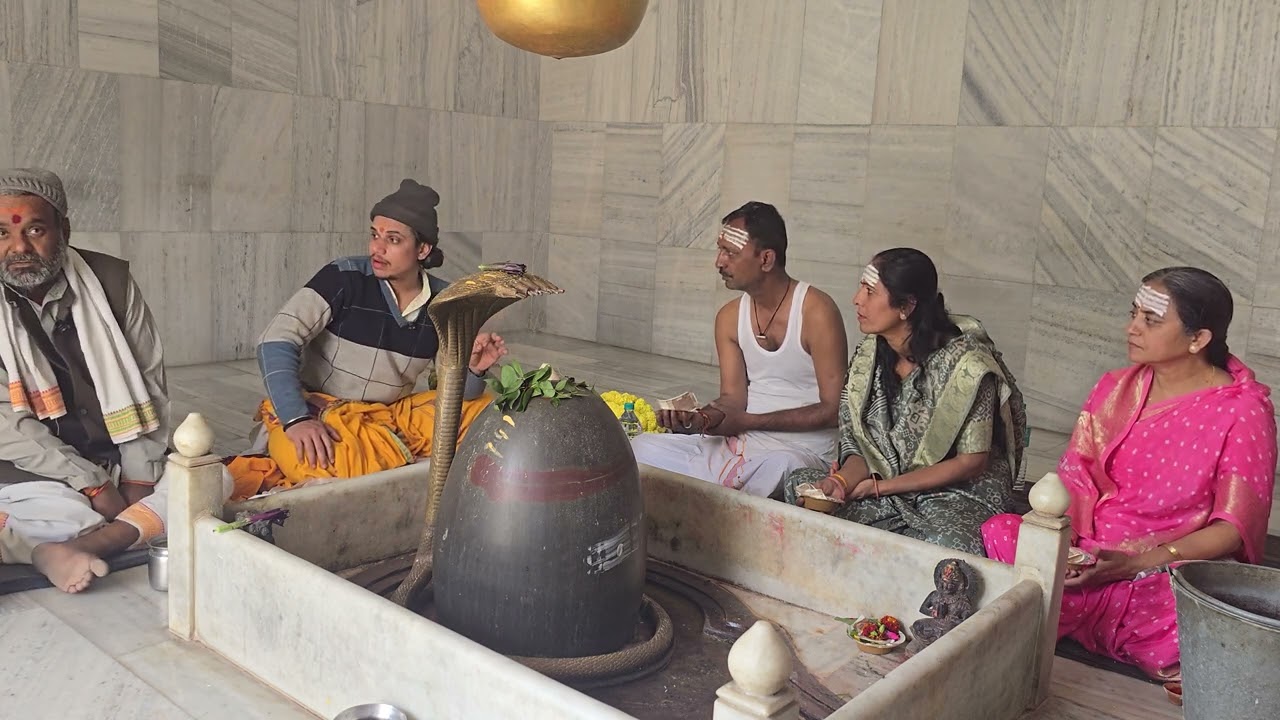
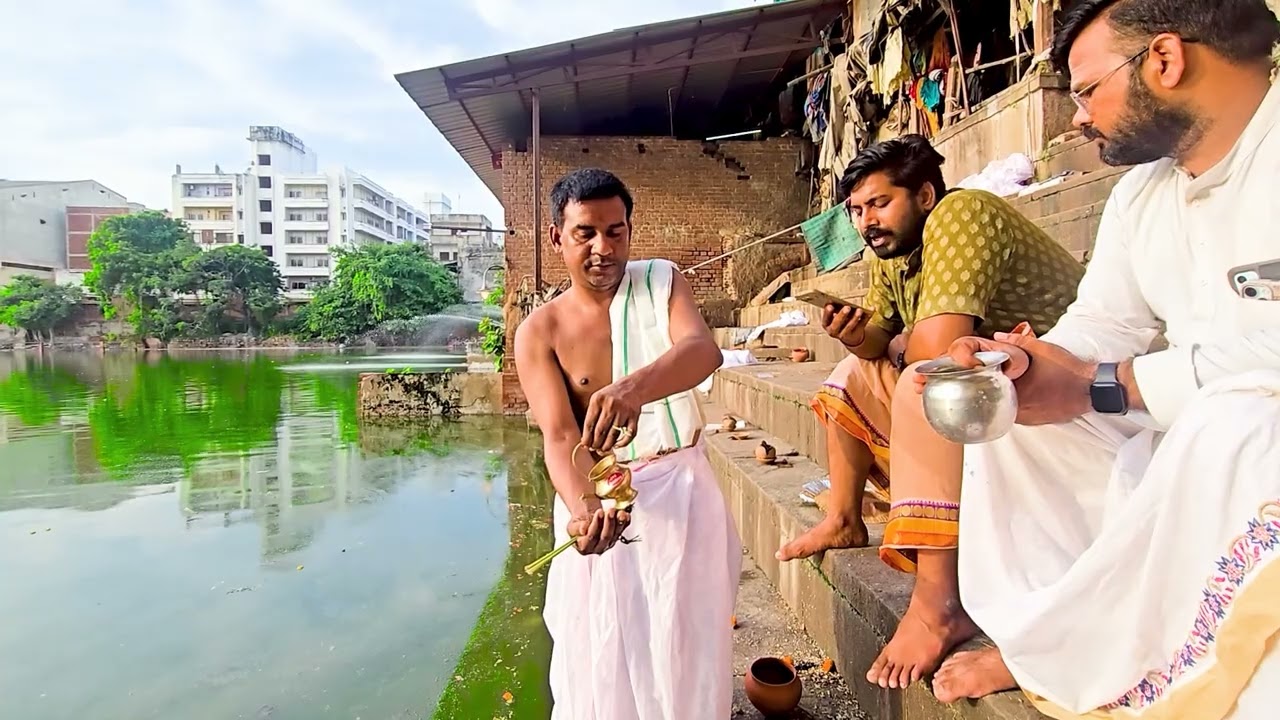
Pilgrims often perform prayers for family welfare, health, prosperity, and spiritual progress. Bathing in the sacred waters and offering prayers at the temple are considered highly auspicious.
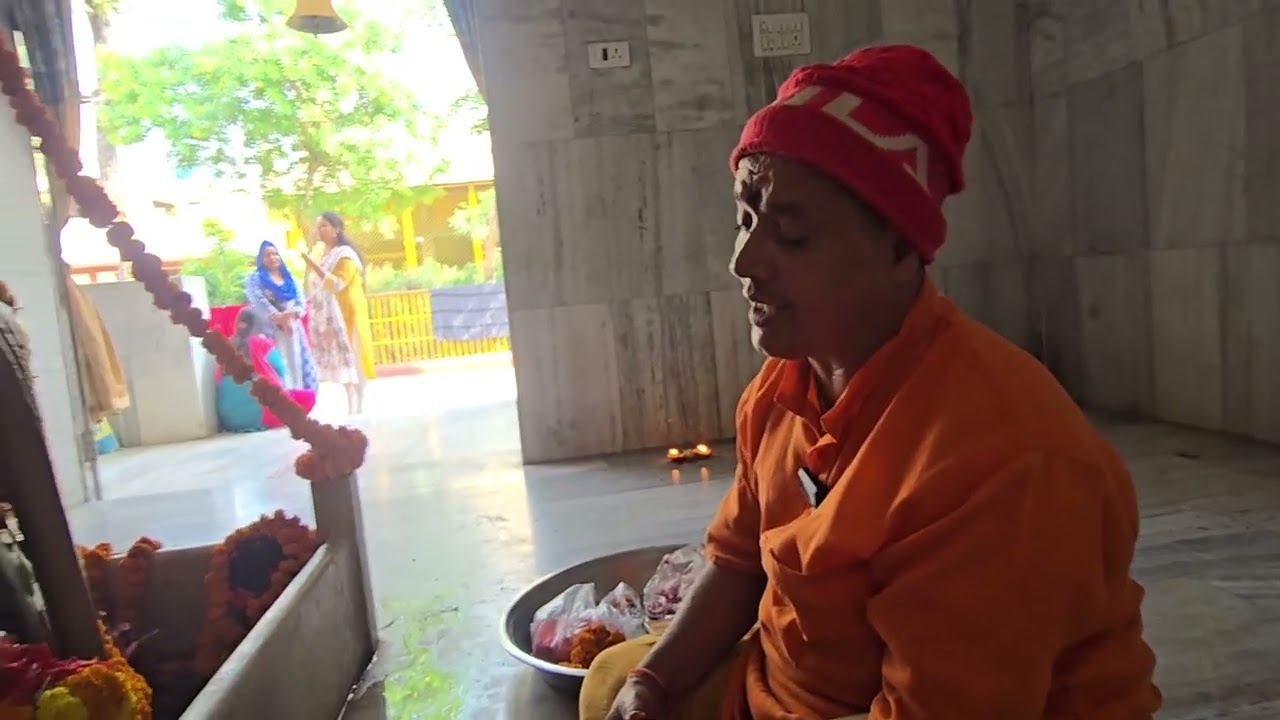
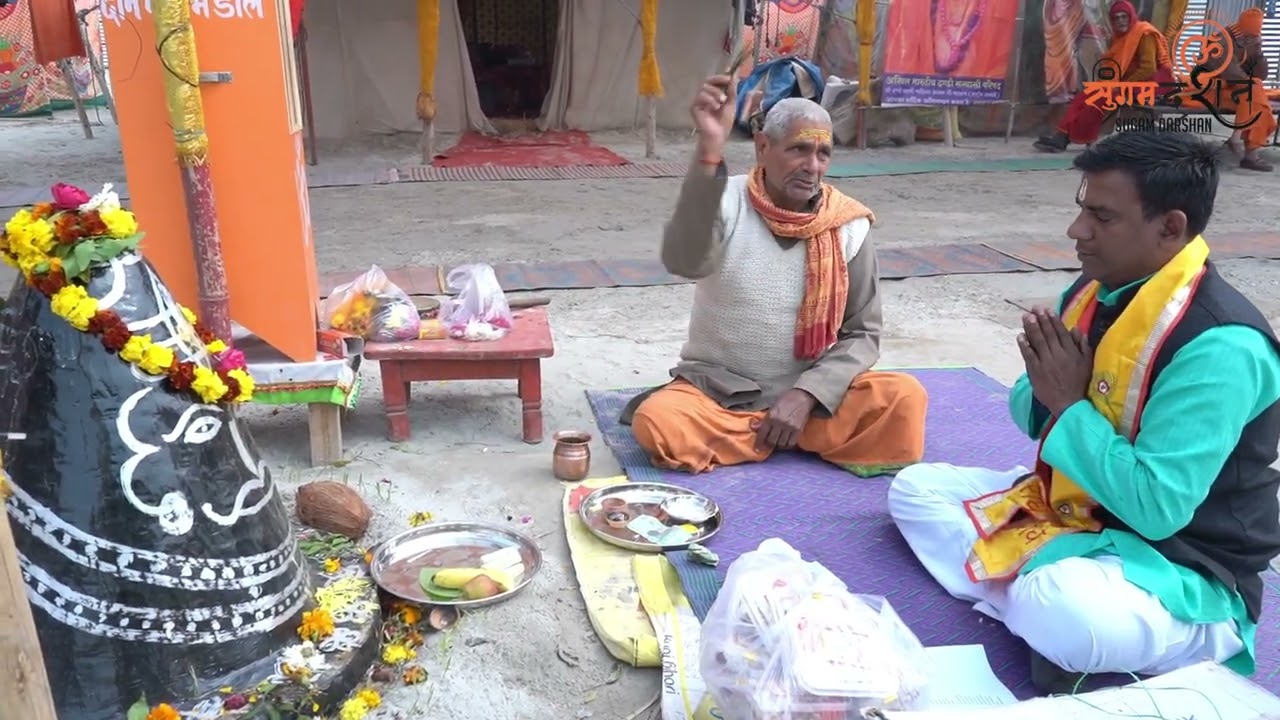
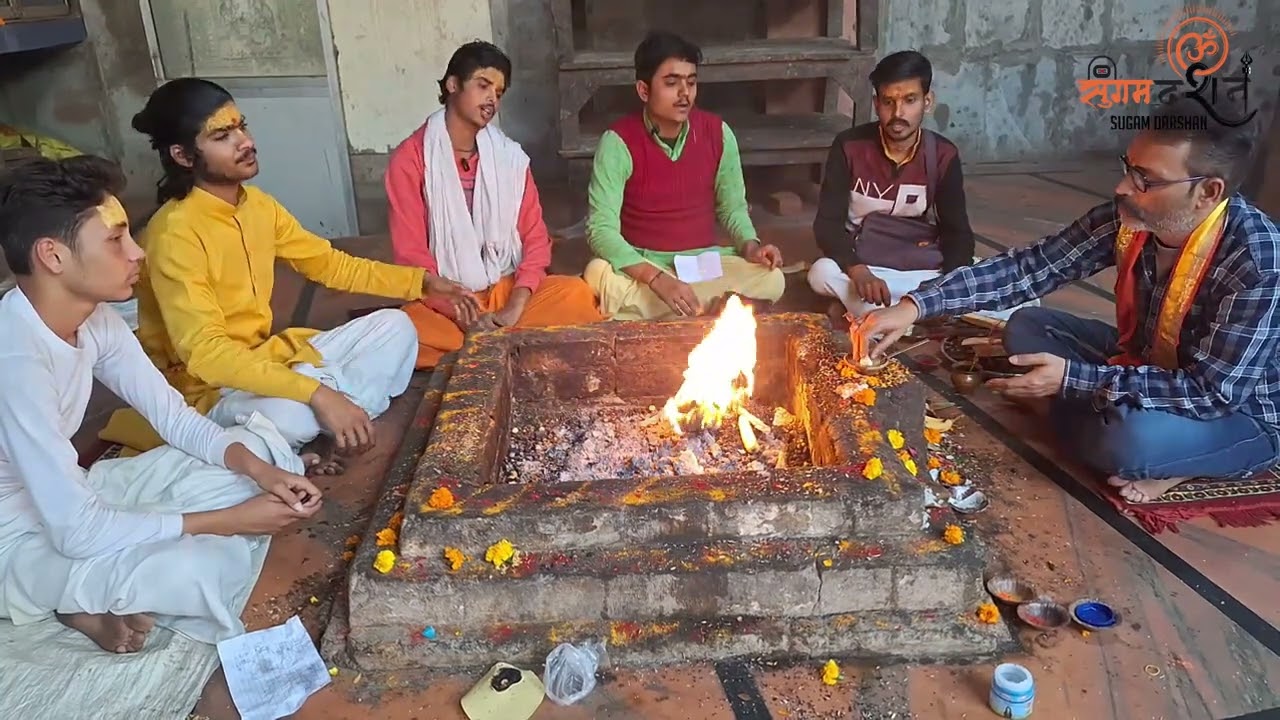
Daily rituals, aartis, and Vedic chanting create a devotional atmosphere that inspires faith and inner transformation. The sacred energy of the Himalayas further enhances the spiritual experience.
Many devotees consider their visit to Yamunotri as the beginning of a transformative spiritual journey through the Char Dham pilgrimage.
Festivals and Pilgrimage Importance
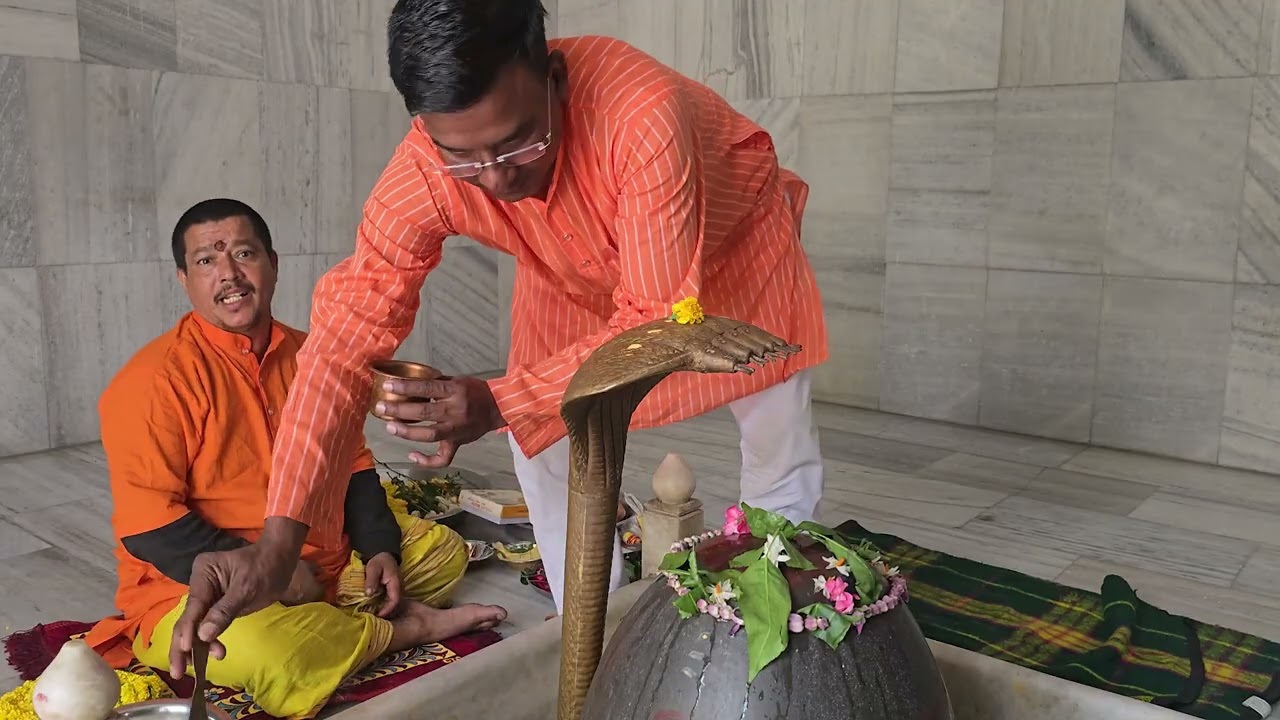
Yamunotri Temple opens annually on the auspicious occasion of Akshaya Tritiya and closes on Bhai Dooj before the onset of winter. During the winter months, the idol of Maa Yamuna is ceremonially moved to Kharsali village for worship.
Major festivals celebrated here include Yamuna Jayanti, Akshaya Tritiya, Diwali, and special river worship ceremonies. Thousands of pilgrims gather during these occasions to seek blessings and participate in sacred rituals.
Yamunotri is one of the four sacred destinations of the Char Dham Yatra along with Gangotri Temple, Kedarnath Temple, and Badrinath Temple.
The pilgrimage to Yamunotri symbolizes spiritual purification, devotion, and the pursuit of divine blessings.
Importance of The Temple
Sacred Significance and Divine Blessings
Sacred Source of Maa Yamuna
The holy shrine marking the origin of the sacred Yamuna River.
First Destination of Char Dham Yatra
Traditionally regarded as the starting point of the Char Dham pilgrimage.
Divine Protection and Purification
Worship of Maa Yamuna is believed to remove sins and grant spiritual blessings.
Himalayan Abode of Sacred Energy
Nestled amidst the majestic Himalayas and filled with divine vibrations.
Pujas Performed in The Temple
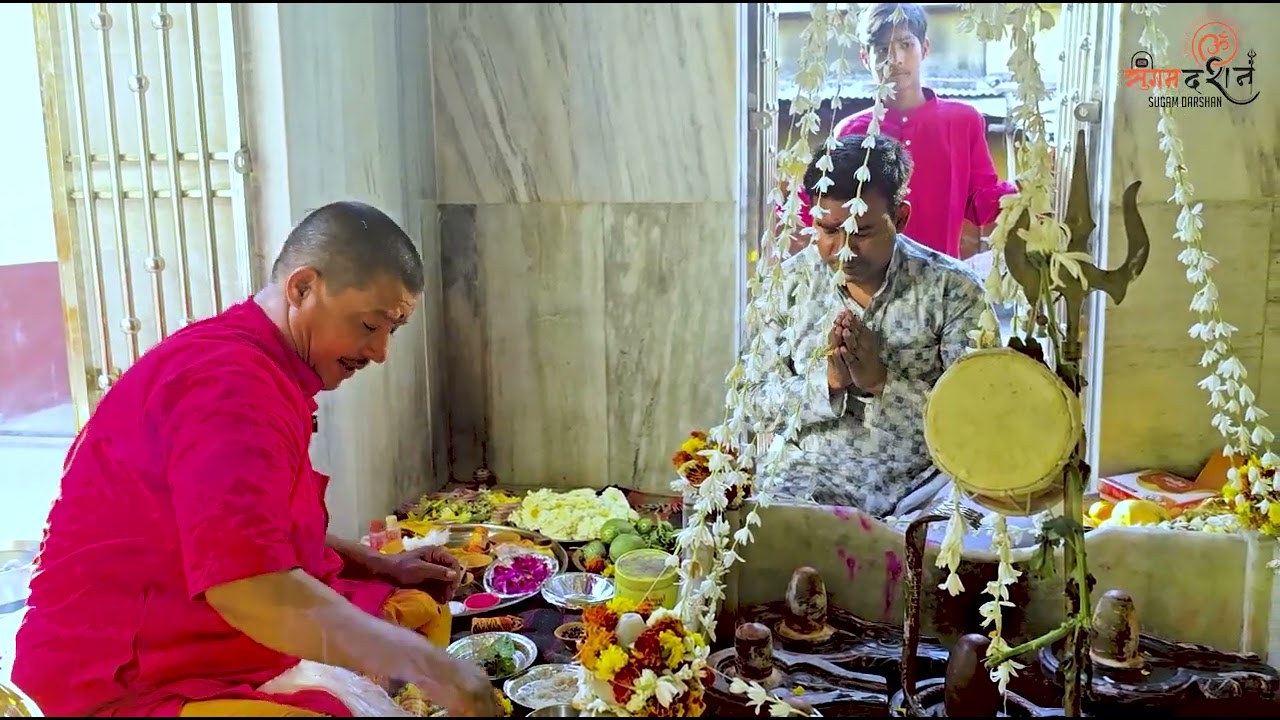
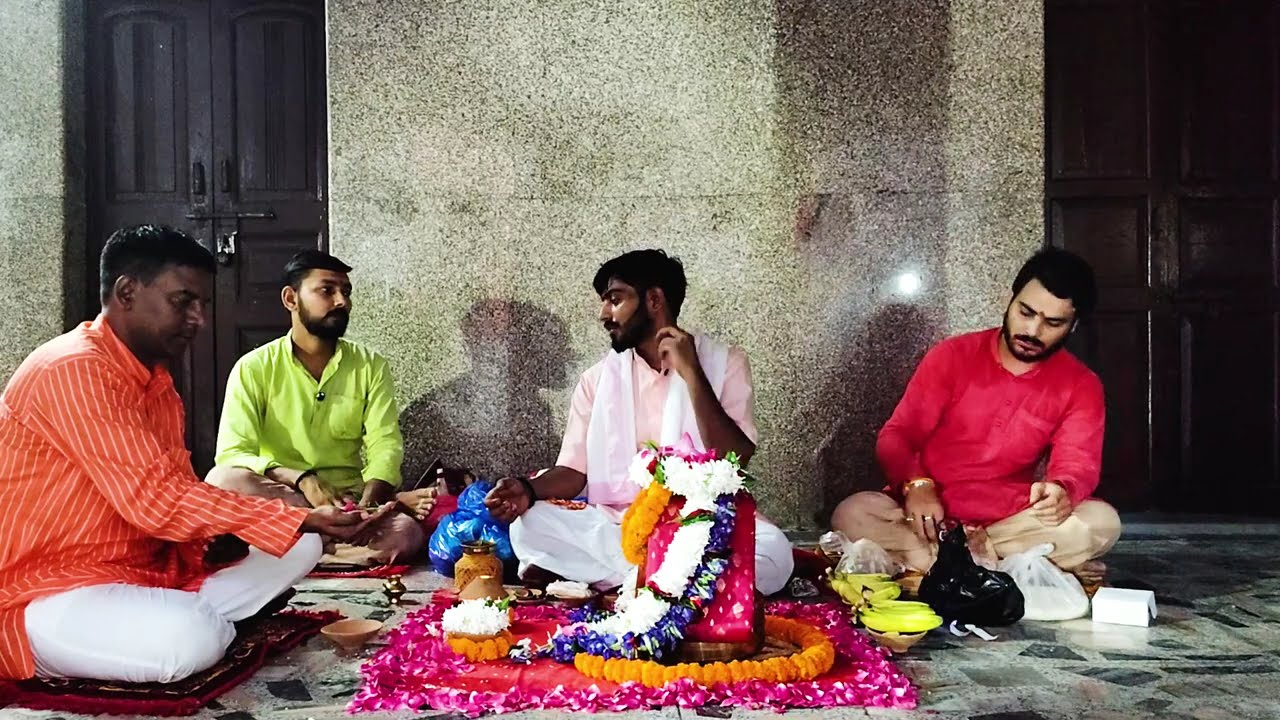
Sacred Rituals and Divine Ceremonies
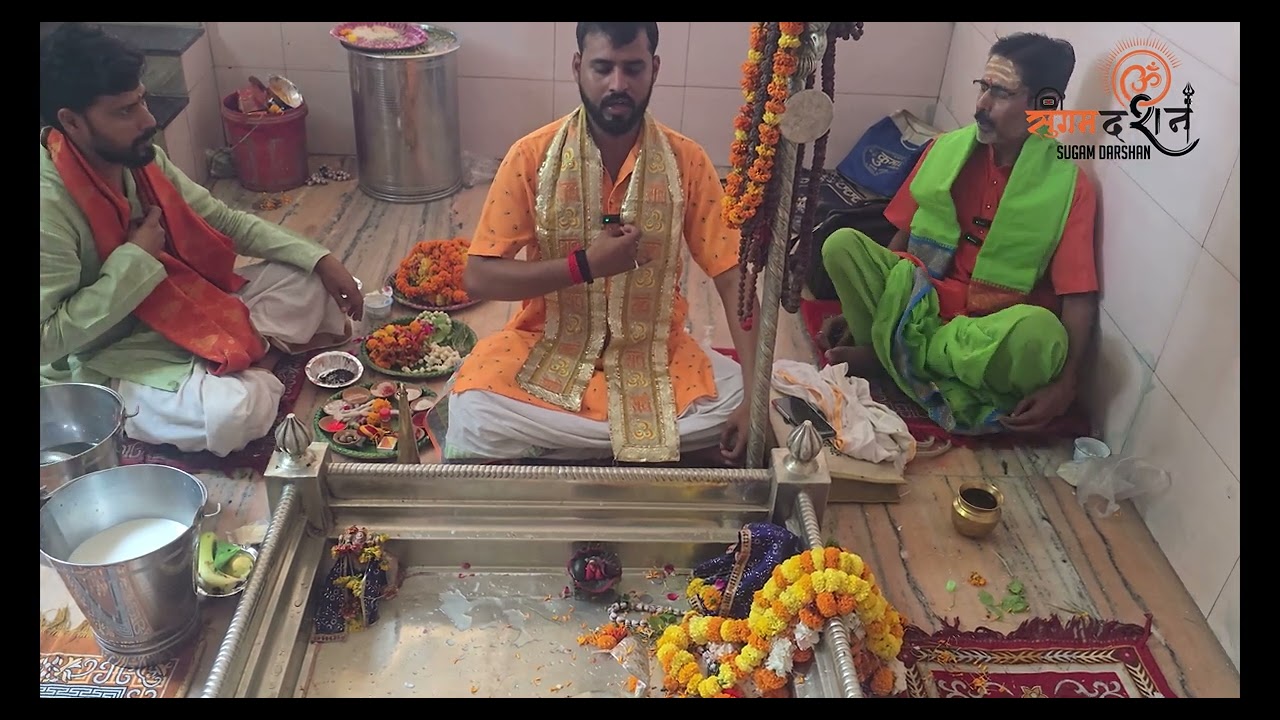
Daily Rituals
Special Pujas
Popular Offerings
Darshan of Aarti Timings
Temple Opening Hours and Aarti Schedule
Temple Darshan Timings
Daily schedule for temple visits
Morning Darshan
Morning Darshan
Afternoon Closure
Afternoon Closure
Evening Darshan
Evening Darshan
How to Reach Temple
Plan Your Sacred Journey to the Temple
By Airplane
Nearest Airport: Nearest Airport: Jolly Grant Airport
Distance: Distance: Approx. 210 KM to Janki Chatti
Travel Time: Travel Time: 7–8 Hours by Road
By Train
Nearest Station: Nearest Railway Station: Dehradun Railway Station
Distance: Distance: Approx. 175 KM to Janki Chatti
Travel Time: Travel Time: 6–7 Hours
By Road
Bus Stand: Nearest Base Point: Janki Chatti
Distance: Distance to Temple: Approx. 5 KM Trek
Travel Time: Travel Time: 2–4 Hours Trek
Important Travel Information
Distance from Major Cities
New Delhi
430 KM 12–14 Hours
Mumbai
1,800 KM 32–35 Hours
Kolkata
1,650 KM 30–32 Hours
Lucknow
320 km
Got Questions? We've Got Answers
Everything you need to know about temple darshan and puja services
Experience Hindu Pujas & Sewa with Sugam Darshan