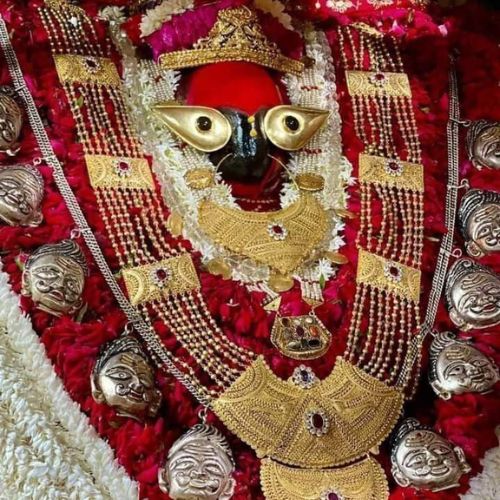
Vindhyavasini Devi Temple
Sacred Vindhyavasini Devi Temple in Vindhyachal, where Maa Adi Shakti blesses devotees with protection, prosperity, strength, and wish fulfillment.
Disclamer:
Stuti & Sloka
या देवी सर्वभूतेषु शक्तिरूपेण संस्थिता। नमस्तस्यै नमस्तस्यै नमस्तस्यै नमो नमः॥
Translation:
Salutations to the Divine Mother present as universal power.
सर्वमङ्गलमाङ्गल्ये शिवे सर्वार्थसाधिके। शरण्ये त्र्यम्बके गौरि नारायणि नमोऽस्तु ते॥
Translation:
O Divine Mother, bless us with protection and prosperity..
देहि सौभाग्यमारोग्यं देहि मे परमं सुखम्। रूपं देहि जयं देहि यशो देहि द्विषो जहि॥
Translation:
Grant health, success, prosperity, and victory over obstacles.
Sacred Mantras
Sanskrit Mantra
ॐ श्री विन्ध्यवासिन्यै नमः॥
Vindhyavasini Beej Mantra
ॐ ऐं ह्रीं क्लीं विन्ध्यवासिन्यै नमः॥
Story of The Temple
Divine Tales and Sacred History
"आदिशक्ति की उपासना से भय, पाप और दुःख दूर होते हैं। माँ की कृपा से भक्त धर्म, समृद्धि, शक्ति और मोक्ष का मार्ग प्राप्त करता है।"
Divine Glory of Vindhyavasini Devi Temple
Vindhyavasini Devi Temple is one of the most revered Shakti temples in India and is believed to be the sacred abode of Maa Vindhyavasini, an incarnation of Goddess Durga. Situated on the banks of the holy Ganga in Vindhyachal near Mirzapur, the temple attracts millions of devotees every year. According to Hindu tradition, Maa Vindhyavasini appeared here after slaying the demon Mahishasura and chose the Vindhya Mountains as her eternal abode. Devotees believe that sincere worship at this sacred temple fulfills wishes, removes obstacles, and blesses them with prosperity, protection, and spiritual peace. The temple is one of the most important pilgrimage destinations dedicated to the Divine Mother..
Mythological Origin and Sacred Legends
The glory of Maa Vindhyavasini is described in the Markandeya Purana and the Devi Mahatmya (Durga Saptashati). According to legend, after defeating the demon Mahishasura, Goddess Durga manifested as Vindhyavasini and established her divine presence in the Vindhya region. Another tradition associates the temple with the birth of Yogmaya, who escaped from the hands of King Kansa and revealed her divine form before disappearing into the Vindhya Mountains.
Devotees believe that Maa Vindhyavasini grants protection from negative energies, fulfills heartfelt desires, and blesses devotees with courage, health, and prosperity. The temple is also an integral part of the famous Trikon Parikrama, which includes the shrines of Maa Vindhyavasini, Ashtabhuja Devi, and Kali Khoh.
Historical Background and Architectural Significance
Vindhyavasini Devi Temple has been a major center of Shakti worship for centuries. Ancient scriptures and local traditions mention the temple as one of the holiest Siddha Peethas dedicated to Goddess Durga. Over time, several rulers and devotees contributed to the temple's renovation and preservation.
The temple features traditional North Indian temple architecture with a beautifully decorated sanctum housing the sacred idol of Maa Vindhyavasini. The temple premises remain vibrant throughout the year with devotional chants, bells, and Vedic rituals. Its elevated location and proximity to the sacred Ganga enhance the spiritual atmosphere, making it one of the most visited temples in Uttar Pradesh.
Religious Importance and Spiritual Energy
Maa Vindhyavasini is worshipped as the supreme embodiment of Adi Shakti and is believed to bless devotees with courage, prosperity, protection, and fulfillment of righteous desires. Daily rituals include Mangala Aarti, Shringar Seva, Bhog, Chandi Path, and Sandhya Aarti.
The temple is especially crowded during Navratri, when devotees undertake fasting, special prayers, and the sacred Trikon Parikrama. Many pilgrims offer red chunari, coconuts, flowers, and sweets to the goddess as symbols of devotion and gratitude. The divine vibrations of the temple inspire inner peace, unwavering faith, and spiritual transformation.
Festivals and Pilgrimage Importance
Mumba Devi Temple celebrates several major Hindu festivals with immense devotion and enthusiasm. The most important celebrations include Navratri, Durga Puja, Chaitra Navratri, and Diwali. During these festivals, the temple is beautifully decorated and attracts thousands of pilgrims.
Special pujas, devotional singing, cultural programs, and grand aartis are organized to honor the Divine Mother. Navratri, in particular, transforms the temple into a vibrant center of spiritual celebration.
For devotees visiting Mumbai, a pilgrimage to Mumba Devi Temple is considered highly auspicious. The temple remains a symbol of the city's spiritual identity and cultural heritage.
Importance of The Temple
Sacred Significance and Divine Blessings
Guardian Goddess of Mumbai
Maa Mumba Devi is revered as the protector and patron deity of Mumbai.
Ancient Center of Shakti Worship
One of the oldest and most important Devi temples in Maharashtra.
Source of Prosperity and Protection
Devotees seek blessings for success, safety, and family welfare.
Sacred Origin of Mumbai's Name
The city derives its name from Goddess Mumba Devi.
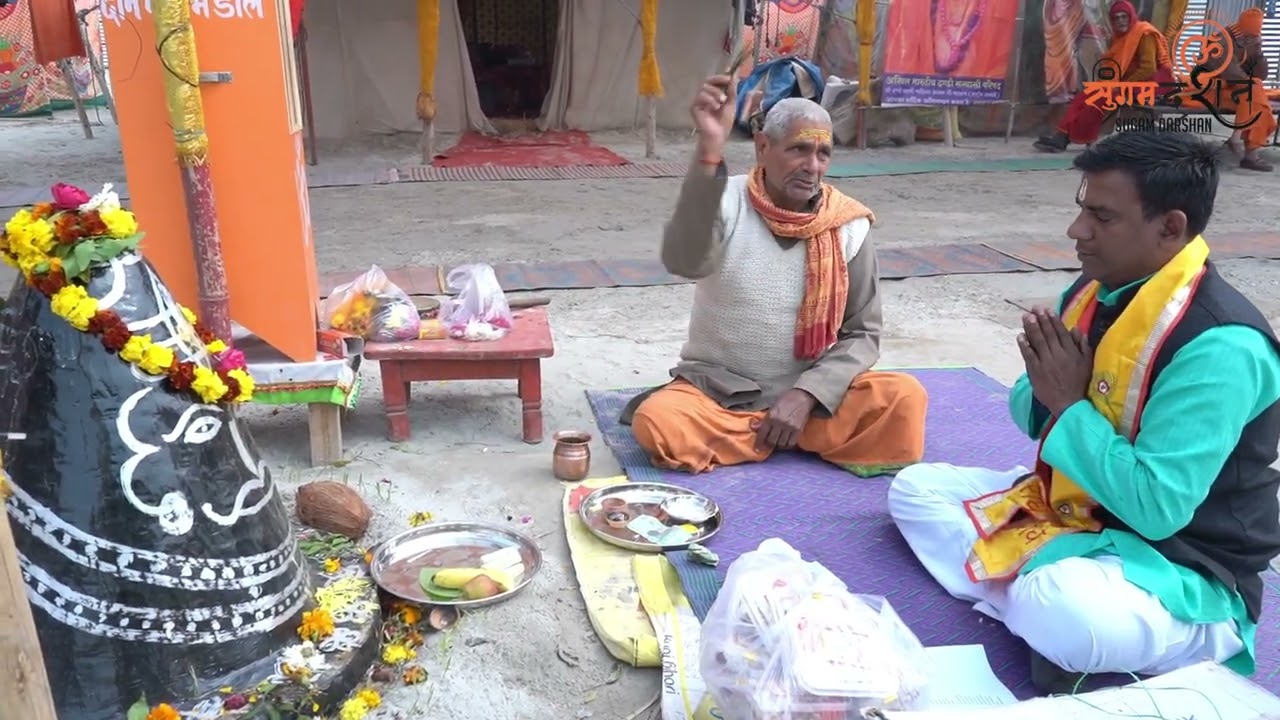
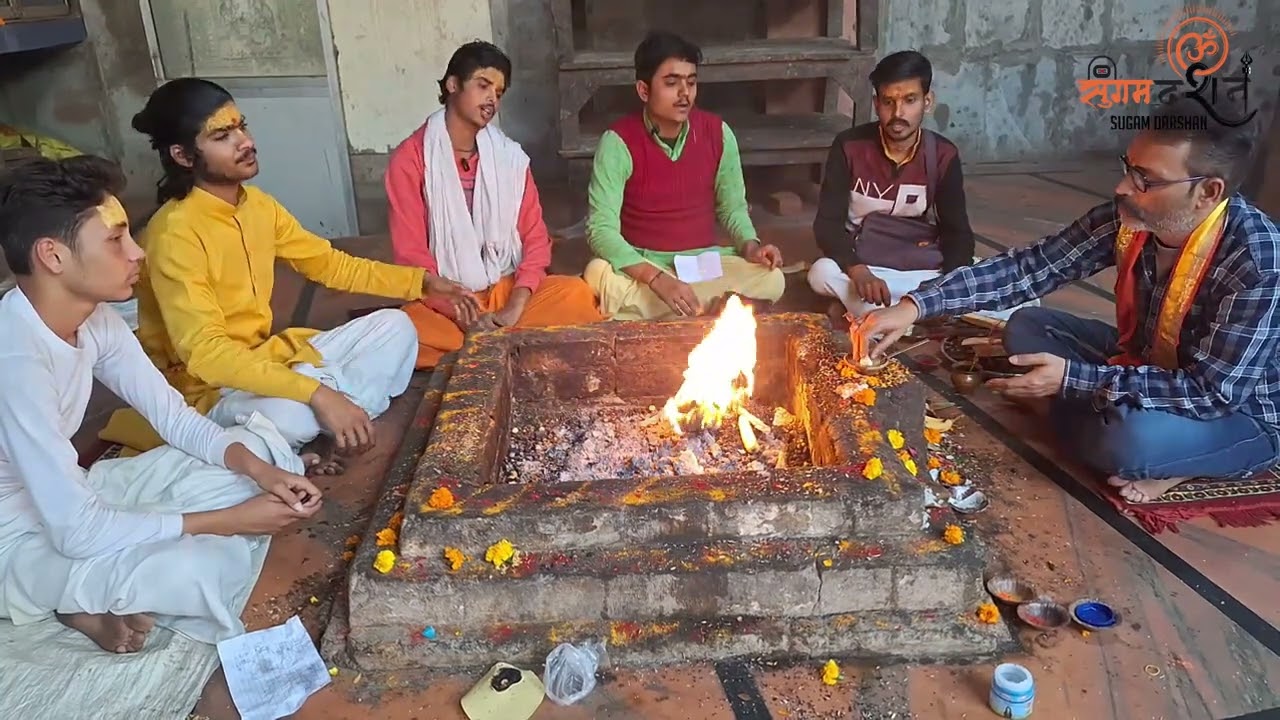
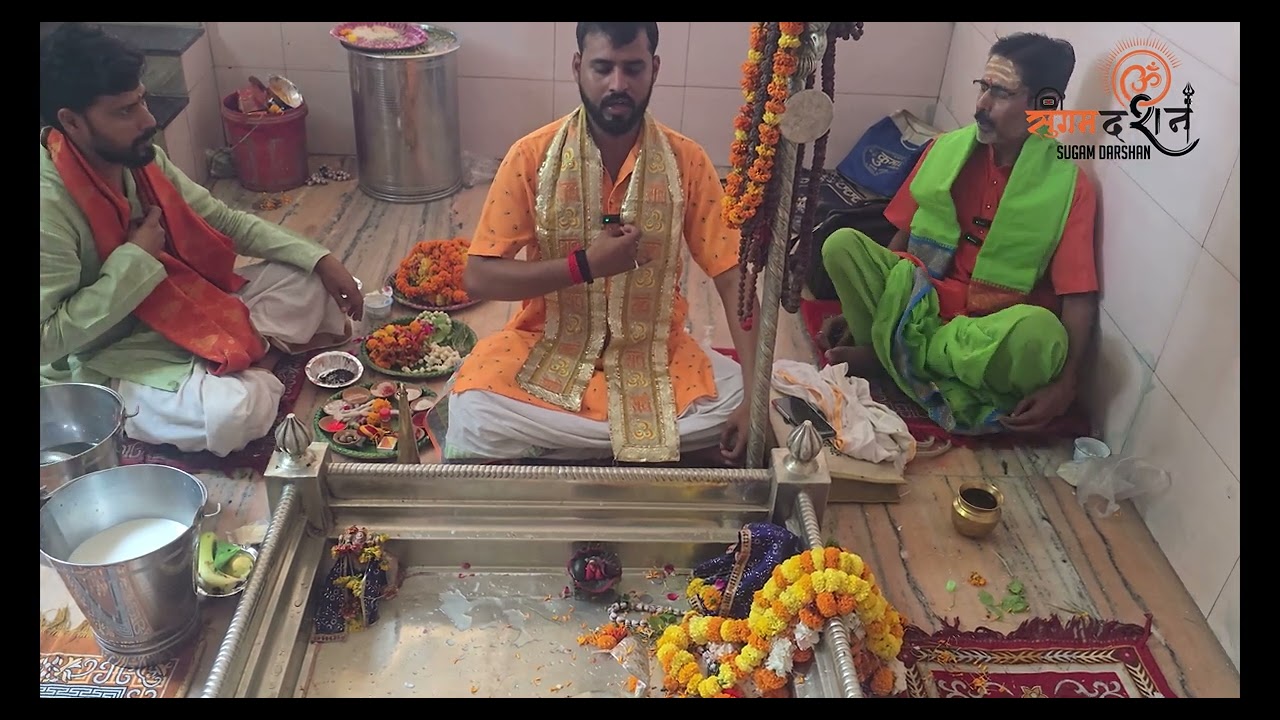
Pujas Performed in The Temple
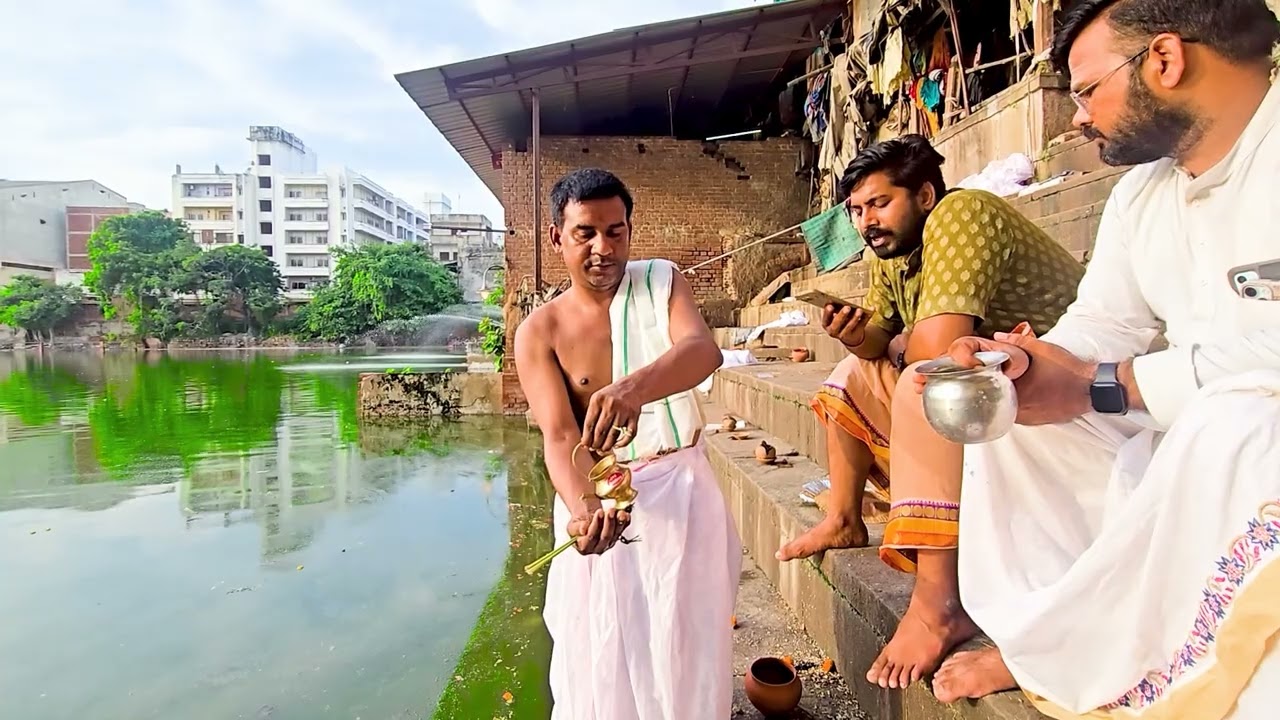
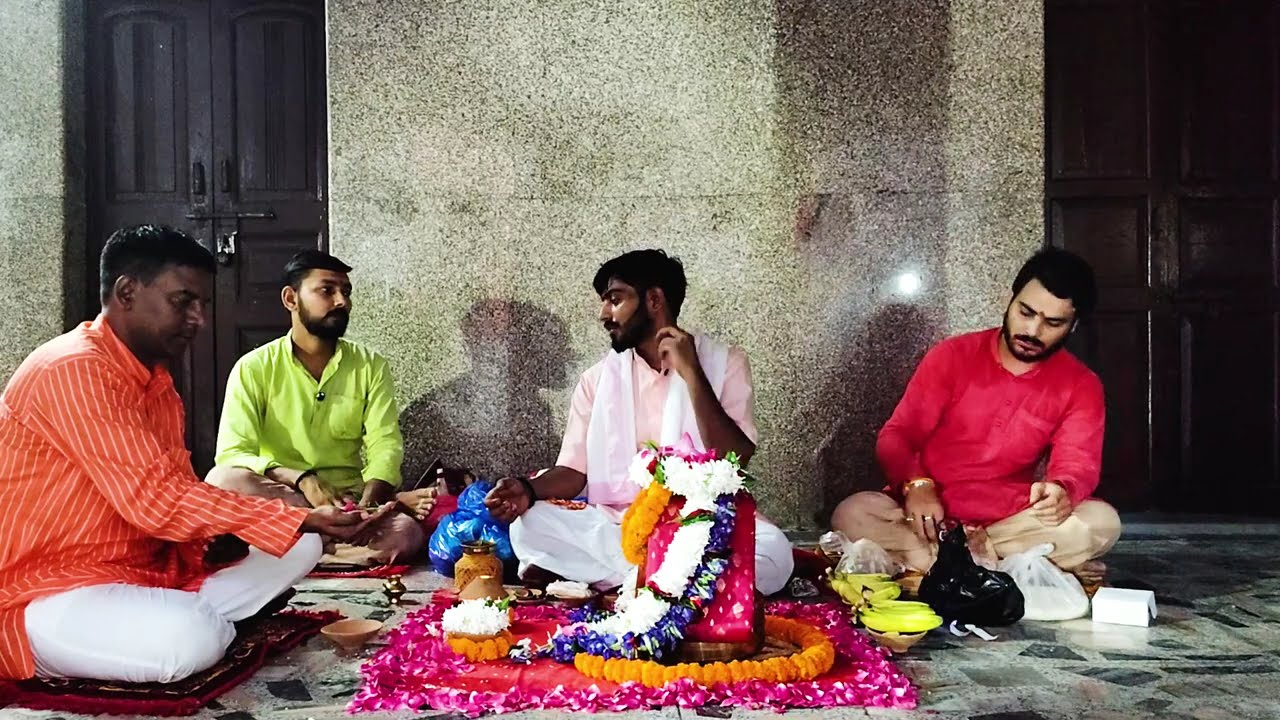
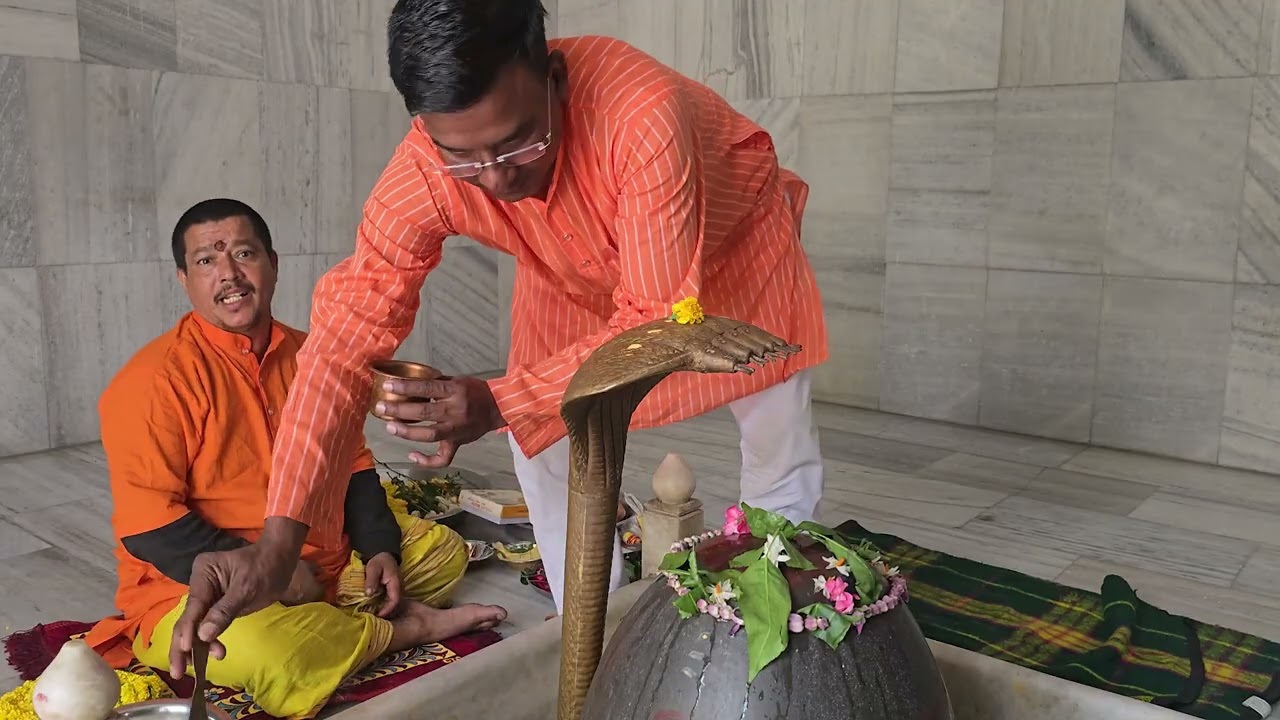
Sacred Rituals and Divine Ceremonies
Daily Rituals
Special Pujas
Popular Offerings
Darshan of Aarti Timings
Temple Opening Hours and Aarti Schedule
Temple Darshan Timings
Daily schedule for temple visits
Morning Darshan
Morning Darshan
Afternoon Closure
Afternoon Closure
Evening Darshan
Evening Darshan
How to Reach Temple
Plan Your Sacred Journey to the Temple
By Airplane
Nearest Airport: Nearest Airport: Lal Bahadur Shastri International
Distance: Distance: Approx. 70 KM
Travel Time: Travel Time: 1.5–2 Hours
By Train
Nearest Station: Nearest Railway Station: Vindhyachal Railway Stati
Distance: Distance: Approx. 2 KM
Travel Time: Travel Time: 5–10 Minutes
By Road
Bus Stand: Nearest Bus Stand: Vindhyachal Bus Stand
Distance: Distance: Approx. 1 KM
Travel Time: Travel Time: 5 Minutes
Important Travel Information
Distance from Major Cities
New Delhi
820 KM 13–15 Hours
Mumbai
1,420 KM 24–26 Hours
Kolkata
700 KM 11–12 Hours
Lucknow
320 km
Got Questions? We've Got Answers
Everything you need to know about temple darshan and puja services
Experience Hindu Pujas & Sewa with Sugam Darshan