
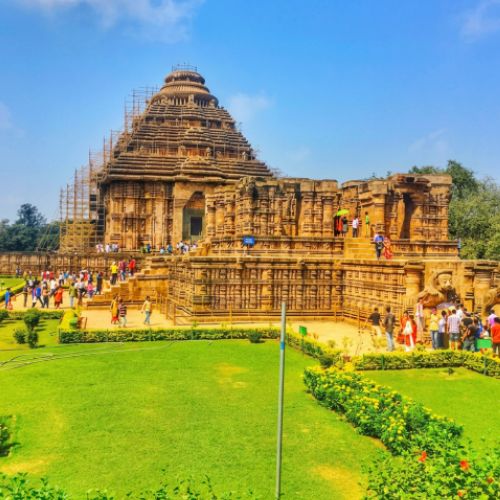
Sun Temple Konark
Sacred Konark Sun Temple, where Surya Dev blesses devotees with health, vitality, wisdom, prosperity, and divine energy.
Disclamer:
Stuti & Sloka
जपाकुसुमसंकाशं काश्यपेयं महाद्युतिम्। तमोरिं सर्वपापघ्नं प्रणतोऽस्मि दिवाकरम्॥
Translation:
I bow to Lord Surya, the destroyer of darkness and ignorance.
आदिदेव नमस्तुभ्यं प्रसीद मम भास्कर। दिवाकर नमस्तुभ्यं प्रभाकर नमोऽस्तु ते॥
Translation:
O Sun God, bless us with light and prosperity..
ॐ घृणिः सूर्याय नमः॥
Translation:
A sacred mantra invoking health and divine energy.
Sacred Mantras
Sanskrit Mantra
ॐ सूर्याय नमः॥
Surya Beej Mantra
ॐ ह्रां ह्रीं ह्रौं सः सूर्याय नमः॥
Story of The Temple
Divine Tales and Sacred History
"सूर्य समस्त जगत के प्रकाश, जीवन और ऊर्जा के स्रोत हैं। उनकी उपासना से आरोग्य, ज्ञान और आत्मबल की प्राप्ति होती है।"
Divine Glory of Konark Sun Temple
Konark Sun Temple is one of India's most magnificent monuments and a masterpiece of ancient temple architecture. Dedicated to Lord Surya, the Sun God, this 13th-century temple was designed in the form of a colossal celestial chariot with twelve intricately carved stone wheels and seven magnificent horses. Located on the eastern coast of Odisha near the Bay of Bengal, the temple symbolizes the Sun God's eternal journey across the heavens. Recognized as a Konark Sun Temple, it is celebrated for its extraordinary artistic excellence, engineering brilliance, and profound spiritual significance. Devotees believe that worshipping Lord Surya here promotes health, prosperity, wisdom, and positive energy..
Mythological Origin and Sacred Legends
According to Hindu tradition, Lord Surya is revered as the visible manifestation of divine energy and the source of all life. The Konark Sun Temple reflects the Vedic reverence for Surya, whose worship is described in the Rigveda and numerous Puranas.
Legends also associate the region with Samba, who is believed to have performed intense penance to Lord Surya to overcome a curse. Pleased by his devotion, Surya blessed him with good health, making Sun worship an important tradition in this sacred region. These legends continue to inspire devotees who visit Konark seeking healing, vitality, and spiritual enlightenment.
Historical Background and Architectural Significance
The temple was commissioned in the 13th century by King Narasimhadeva I of the Eastern Ganga dynasty. Constructed from massive blocks of stone, the temple showcases exceptional Kalinga architecture and remarkable engineering.
Its iconic chariot design, detailed sculptures, geometric precision, astronomical symbolism, and intricately carved wheels functioned as ancient sundials. Although parts of the temple have been damaged over time, its surviving structures continue to amaze historians, architects, and pilgrims worldwide. The temple remains one of India's greatest examples of medieval architectural brilliance.
Religious Importance and Spiritual Energy
Konark Sun Temple has long been regarded as a powerful center for Surya worship. Although regular worship inside the original sanctum is no longer conducted, devotees continue to offer prayers to Lord Surya, especially during sunrise.
Pilgrims believe that Surya worship removes illness, strengthens physical and mental well-being, enhances confidence, and brings success in life. The temple's sacred environment, combined with its rich symbolism of light and cosmic order, inspires spiritual reflection and devotion.
The nearby Chandrabhaga Beach also holds religious importance, where devotees take a holy dip before offering prayers to the Sun God.
Festivals and Pilgrimage Importance
The most significant celebration associated with Konark is Chandrabhaga Mela, held during Magha Saptami when thousands of devotees gather before sunrise to worship Lord Surya. The internationally acclaimed Konark Dance Festival is another major event showcasing India's rich cultural heritage against the magnificent backdrop of the temple.
A visit to Konark is considered spiritually uplifting and culturally enriching, making it one of the most important pilgrimage and heritage destinations in India.
Importance of The Temple
Sacred Significance and Divine Blessings
UNESCO World Heritage Monument
An architectural masterpiece recognized for its global cultural significance.
Sacred Temple of Surya Dev
One of India's most celebrated temples dedicated to the Sun God.
Symbol of Cosmic Time
The temple's stone wheels represent the eternal cycle of time and the universe.
Center of Health and Vitality
Devotees seek blessings for strength, healing, success, and spiritual illumination.
Pujas Performed in The Temple
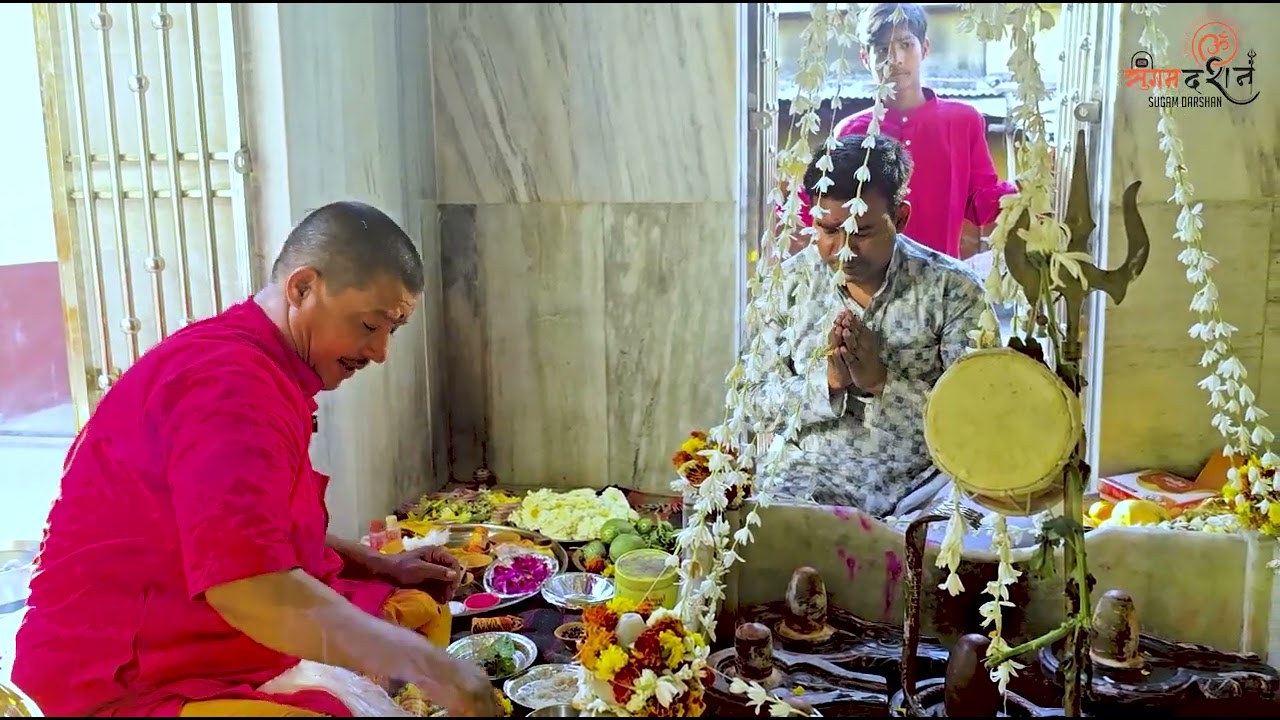
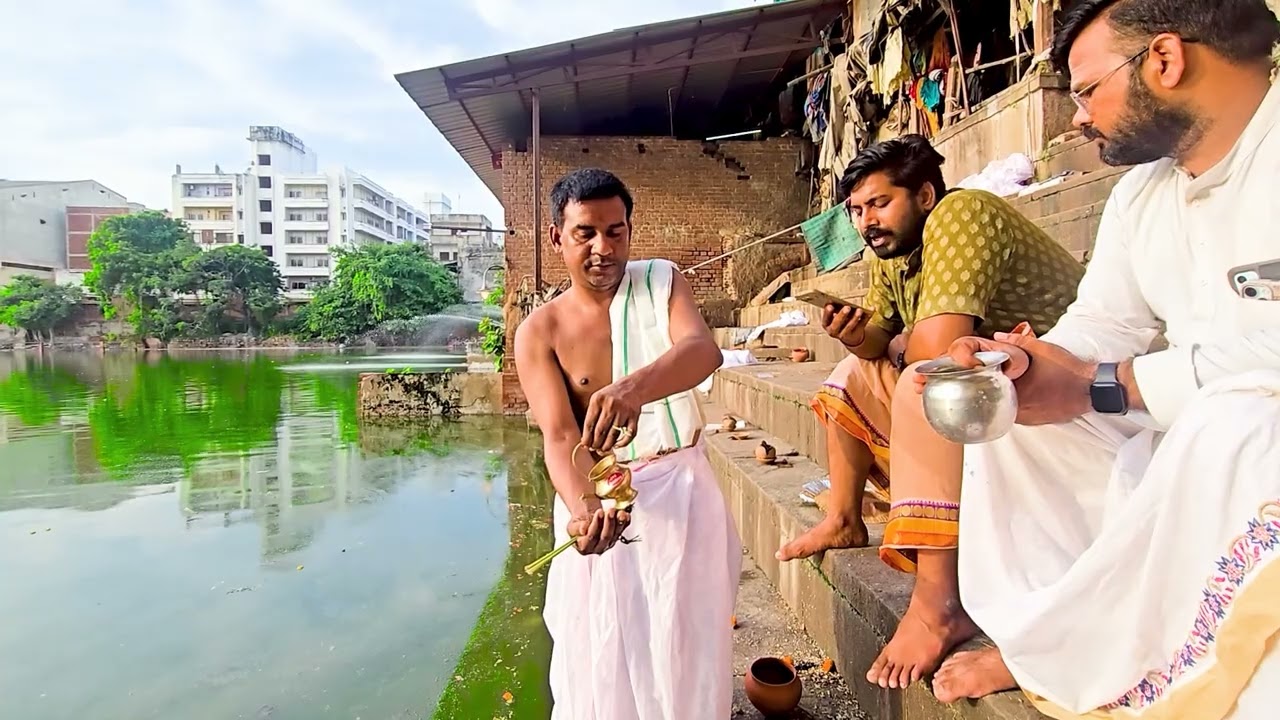
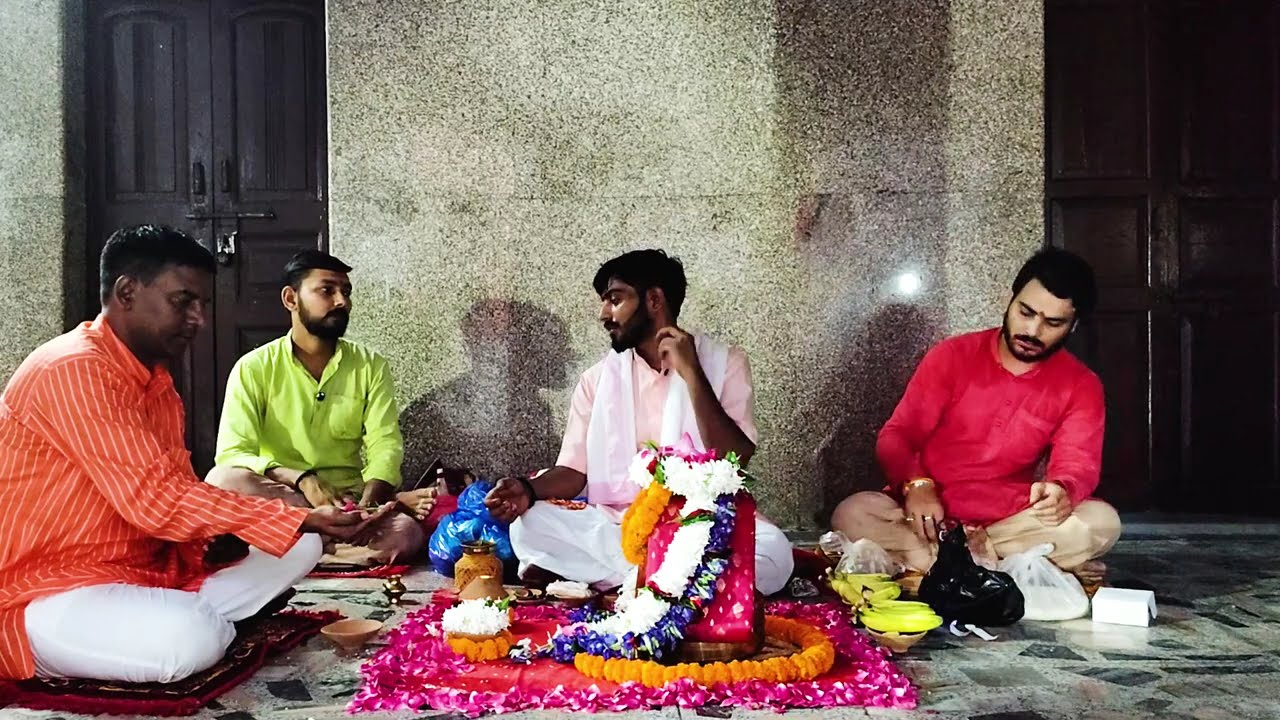
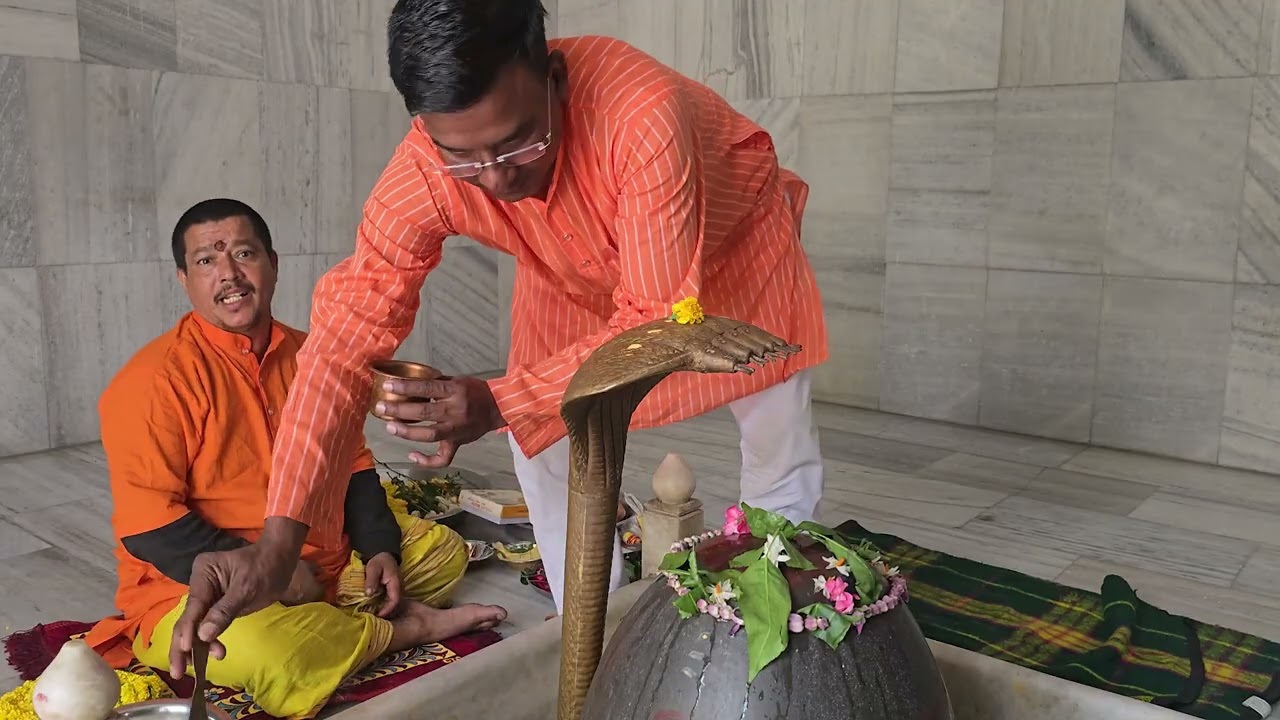
Sacred Rituals and Divine Ceremonies
Daily Rituals
Special Pujas
Popular Offerings
Darshan of Aarti Timings
Temple Opening Hours and Aarti Schedule
Temple Darshan Timings
Daily schedule for temple visits
Morning Entry
Morning Entry
Day Visit
Day Visit
Evening Closure
Evening Closure
How to Reach Temple
Plan Your Sacred Journey to the Temple
By Airplane
Nearest Airport: Nearest Airport: Biju Patnaik International Airpor
Distance:
Travel Time: Travel Time: 1.5 Hours
By Train
Nearest Station:
Distance:
Travel Time:
By Road
Bus Stand:
Distance:
Travel Time:
Important Travel Information
Distance from Major Cities
New Delhi
1,780 KM 29–31 Hours
Mumbai
1,690 KM 28–30 Hours
Kolkata
500 KM 9–10 Hours
Lucknow
320 km

Got Questions? We've Got Answers
Everything you need to know about temple darshan and puja services
Experience Hindu Pujas & Sewa with Sugam Darshan