
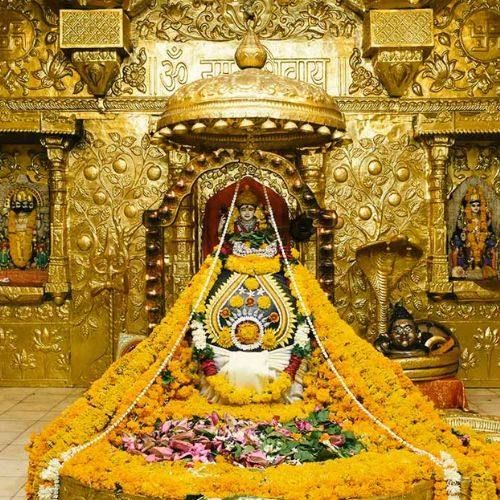
Somnath Temple
Divine Somnath Temple, the first Jyotirlinga of Lord Shiva, radiating eternal faith, protection, spiritual power, and liberation.
Disclamer:
Stuti & Sloka
ॐ नमः शिवाय॥
Translation:
Salutations to Lord Shiva.
त्र्यम्बकं यजामहे सुगन्धिं पुष्टिवर्धनम्। उर्वारुकमिव बन्धनान्मृत्योर्मुक्षीय मामृतात्॥
Translation:
May Lord Shiva grant protection and liberation..
नागेन्द्रहाराय त्रिलोचनाय भस्माङ्गरागाय महेश्वराय। नित्याय शुद्धाय दिगम्बराय तस्मै नकाराय नमः शिवाय॥
Translation:
Salutations to the eternal and pure Lord Shiva.
Sacred Mantras
Sanskrit Mantra
ॐ श्री सोमनाथाय नमः॥
Shiva Panchakshari Mantra
ॐ नमः शिवाय॥
Story of The Temple
Divine Tales and Sacred History
"ज्योतिर्लिंग के दर्शन से मनुष्य के पाप नष्ट होते हैं और भगवान शिव की कृपा से जीवन में धर्म, शांति और मोक्ष का मार्ग प्रशस्त होता है।"
Divine Glory of Somnath Temple
Somnath Temple is one of the most sacred temples of Lord Shiva and is revered as the first among the twelve Jyotirlingas. Located on the shores of the Arabian Sea in Veraval, the temple has been a symbol of unwavering faith and spiritual devotion for thousands of years.
The name "Somnath" means "Lord of the Moon." According to Hindu tradition, Chandra Dev (Moon God) worshipped Lord Shiva here to regain his lost radiance. Since then, the temple has become a powerful center of Shaiva worship.
The majestic temple, combined with the serene sea backdrop, creates a divine atmosphere that attracts millions of pilgrims annually. Devotees believe that a visit to Somnath Temple removes negativity, grants blessings, and leads the soul toward spiritual enlightenment..
Mythological Origin and Sacred Legends
The origins of Somnath Temple are deeply rooted in Hindu mythology. According to the Shiva Purana, Chandra Dev was cursed by his father-in-law Daksha Prajapati, causing him to lose his brilliance. Distressed by the curse, Chandra performed severe penance and worshipped Lord Shiva at Prabhas Kshetra.
Pleased with his devotion, Lord Shiva appeared and partially relieved the curse, allowing the moon to wax and wane. In gratitude, Chandra established the Somnath Jyotirlinga and built a golden temple in honor of Lord Shiva.
Ancient traditions also connect the temple with Lord Krishna, whose earthly pastimes concluded near Prabhas Patan. The sacred land around Somnath is therefore associated with both Shaiva and Vaishnava traditions.
These legends have made Somnath one of the holiest pilgrimage destinations in Sanatan Dharma.
Historical Background and Architectural Grandeur
Somnath Temple has a remarkable history of resilience and devotion. Over centuries, the temple was destroyed and rebuilt multiple times by various rulers and devotees, symbolizing the indestructible spirit of Hindu faith.
The present temple was reconstructed in the Chalukyan style under the inspiration of India's leaders after independence. Its grand architecture features intricate carvings, majestic shikharas, and beautifully sculpted pillars.
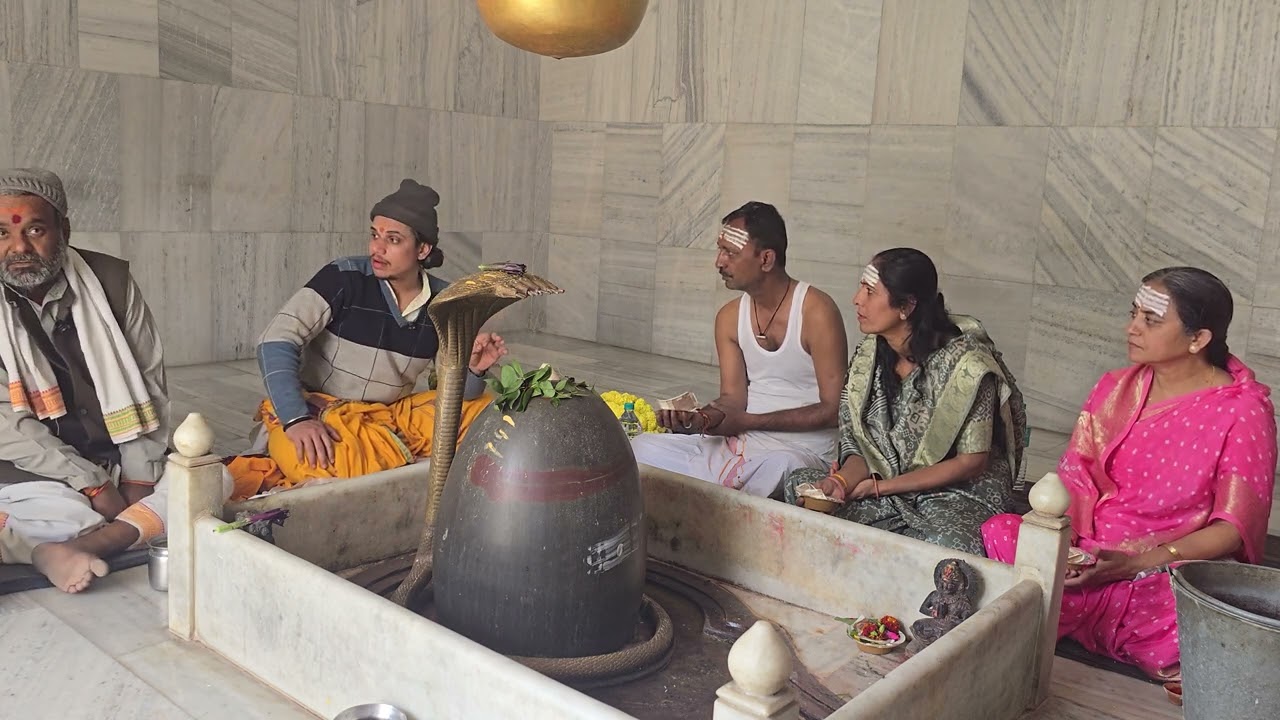
The temple's main sanctum houses the sacred Somnath Jyotirlinga, worshipped by millions of devotees. The famous "Baan Stambh" near the temple points toward the southern ocean, signifying that no land exists between Somnath and Antarctica along that line.
Today, the temple stands as a magnificent testament to India's spiritual and cultural heritage.
Spiritual Importance and Religious Significance
Somnath Temple is one of the most powerful spiritual centers in Hinduism. As the first Jyotirlinga, it holds a special place among devotees of Lord Shiva.
Pilgrims believe that worshipping at Somnath removes sins, reduces planetary afflictions, and brings peace, prosperity, and spiritual growth. The temple is especially significant for those seeking relief from emotional distress, health concerns, and karmic burdens.
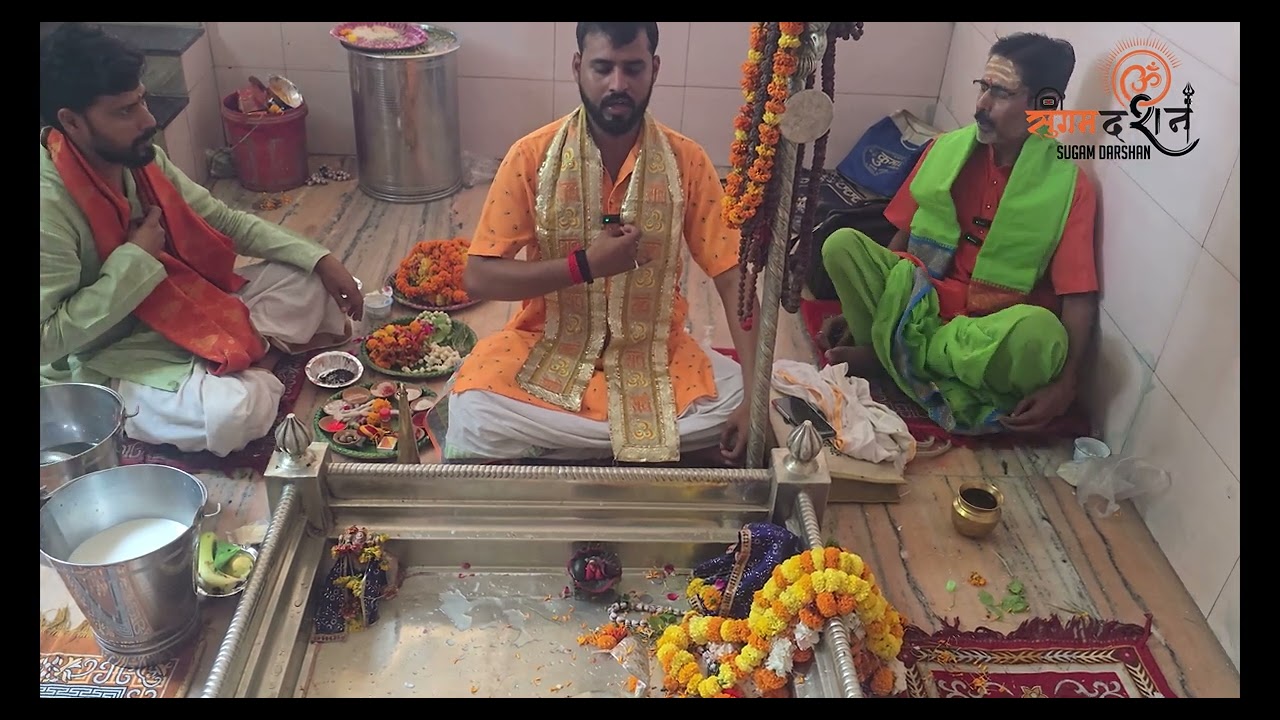
Daily rituals such as Rudrabhishek, Jalabhishek, Maha Aarti, and Vedic chanting create a spiritually uplifting environment. The divine vibrations of the temple help devotees experience inner tranquility and devotion.
Many saints and spiritual seekers have described Somnath as a gateway to divine consciousness and a place where faith is strengthened through direct spiritual experience.
Festivals and Pilgrimage Importance
Somnath Temple celebrates numerous Hindu festivals with great devotion and grandeur. The most significant festival is Maha Shivaratri, when thousands of devotees gather to perform night-long worship and prayers.
Other major celebrations include Shravan Month festivities, Kartik Purnima, Somvati Amavasya, and various Jyotirlinga-related rituals. During these occasions, the temple becomes a vibrant center of devotion and spiritual activities.
Somnath is also an important stop in Jyotirlinga pilgrimages and western India temple circuits. Pilgrims often visit nearby sacred sites such as Triveni Sangam, Bhalka Tirth, and other locations associated with Lord Krishna.
A pilgrimage to Somnath is believed to bring divine blessings, spiritual purification, and ultimately, liberation from worldly bondage.
Importance of The Temple
Sacred Significance and Divine Blessings
First Jyotirlinga of Lord Shiva
Revered as the foremost among the twelve sacred Jyotirlingas.
Symbol of Eternal Faith
The temple represents the triumph of devotion over adversity.
Sacred Moon Worship Shrine
Associated with Chandra Dev's penance and divine blessings.
Powerful Center of Shiva Bhakti
A holy destination for spiritual awakening and inner peace.
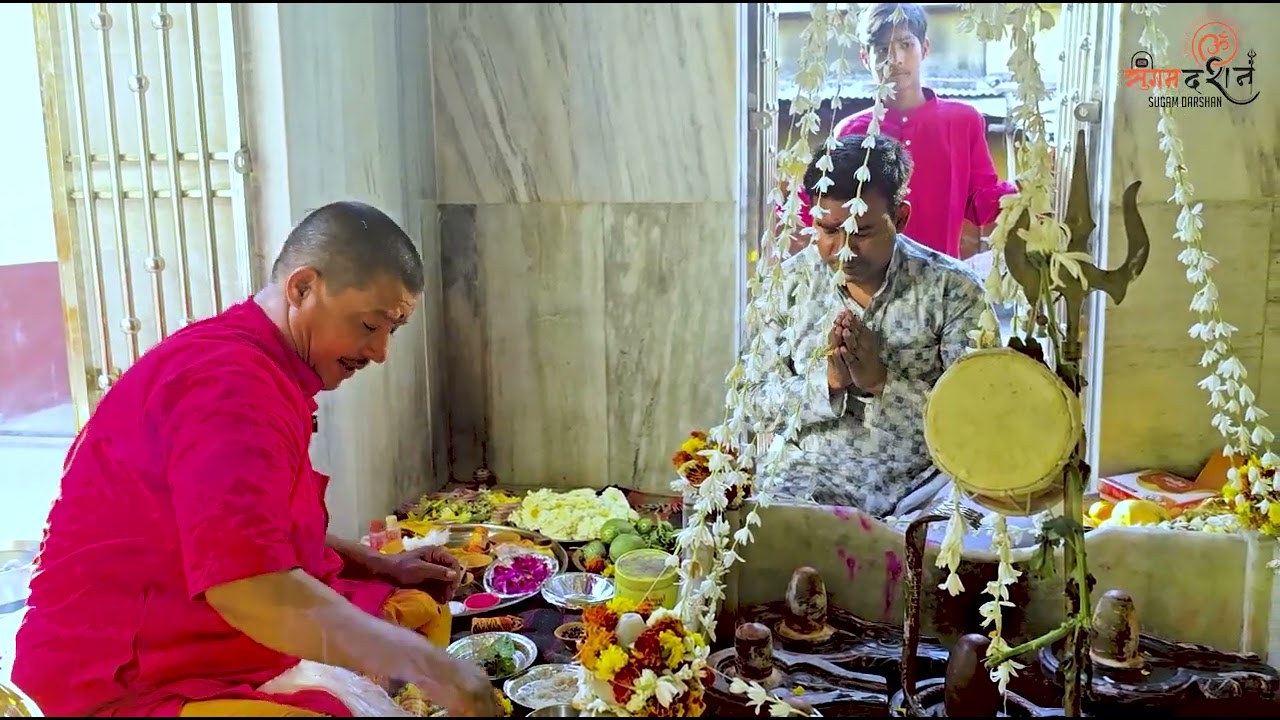
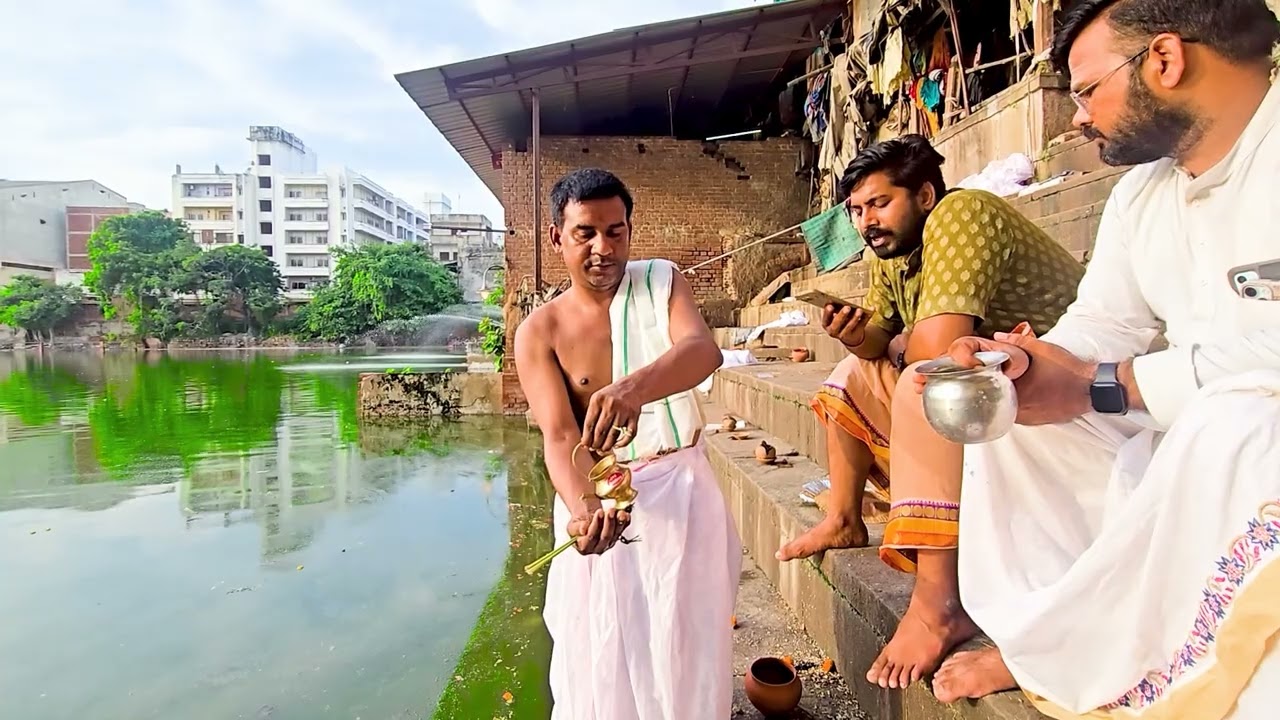
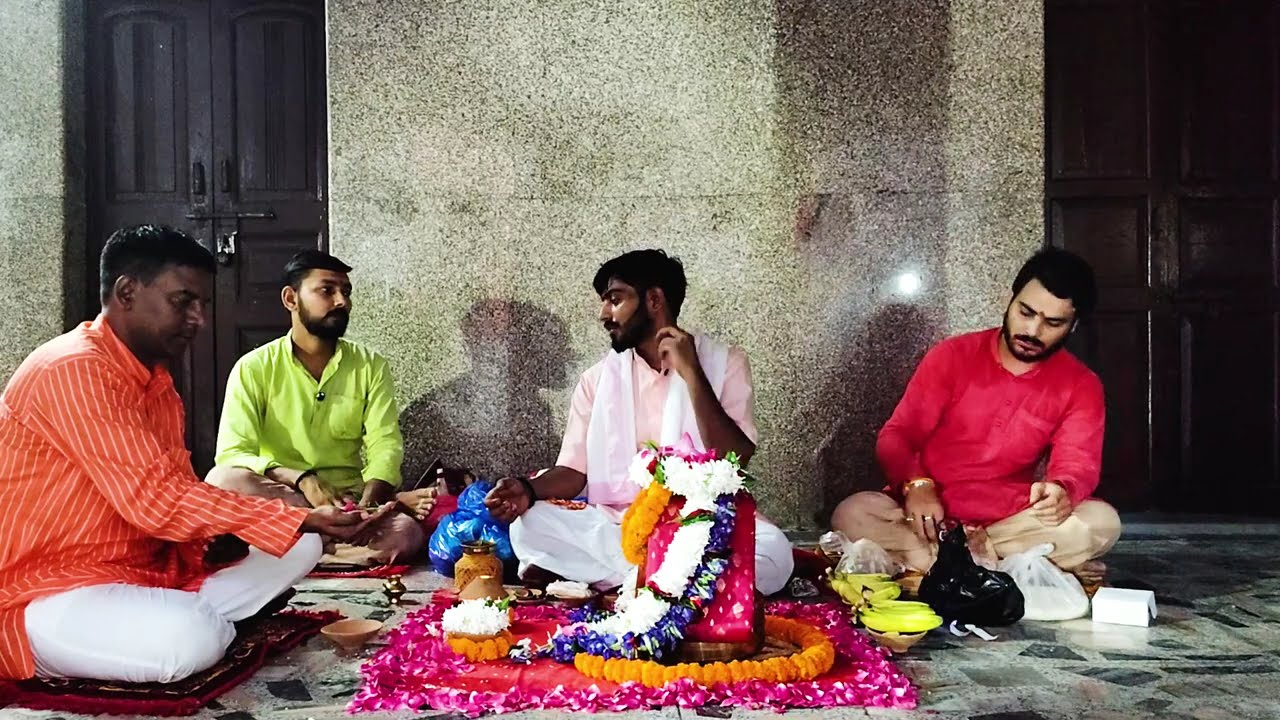
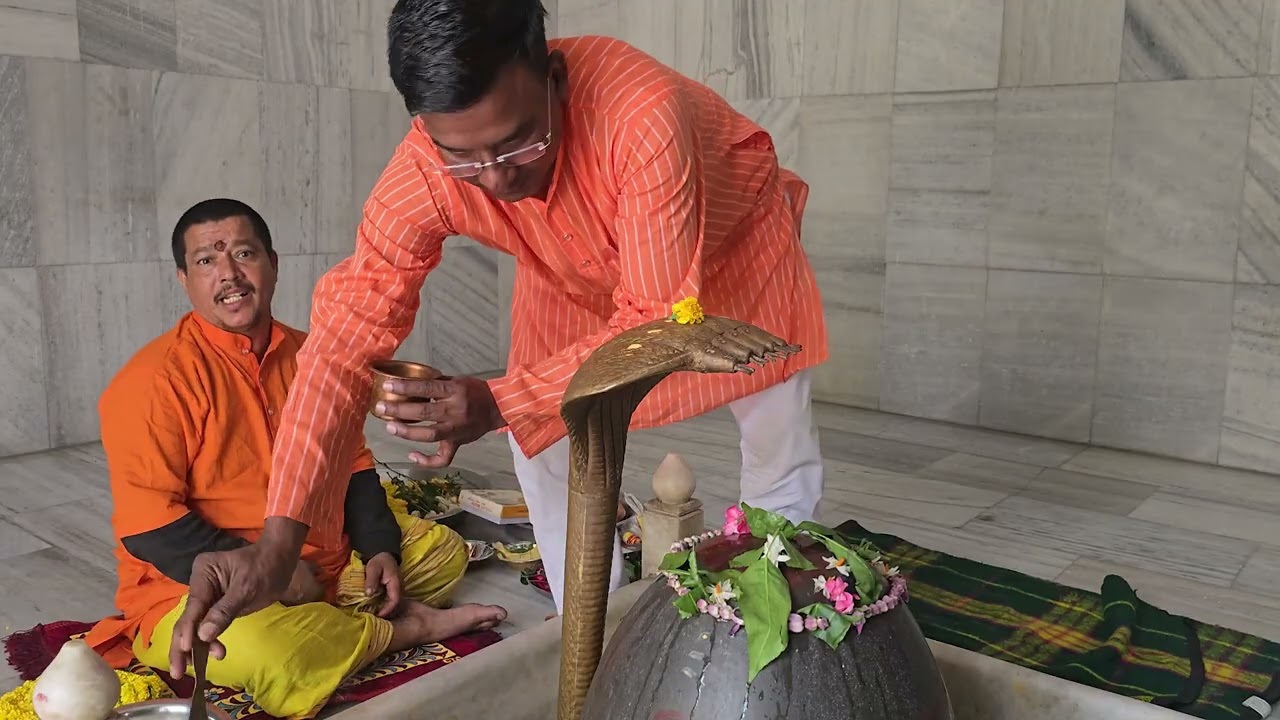
Pujas Performed in The Temple
Sacred Rituals and Divine Ceremonies
Daily Rituals
Special Pujas
Popular Offerings
Darshan of Aarti Timings
Temple Opening Hours and Aarti Schedule
Temple Darshan Timings
Daily schedule for temple visits
Morning Darshan
Morning Darshan
Afternoon Darshan
Afternoon Darshan
Evening Darshan
Evening Darshan
How to Reach Temple
Plan Your Sacred Journey to the Temple
By Airplane
Nearest Airport: Nearest Airport: Diu Airport
Distance: Distance: Approx. 85 KM
Travel Time: Travel Time: 2 Hours
By Train
Nearest Station: Nearest Railway Station: Veraval Railway Station
Distance: Distance: Approx. 7 KM
Travel Time: Travel Time: 15–20 Minutes
By Road
Bus Stand: Nearest Bus Stand: Somnath Bus Stand
Distance: Distance: Approx. 1 KM
Travel Time: Travel Time: 5 Minutes
Important Travel Information
Distance from Major Cities
New Delhi
1,300 KM 24–26 Hours
Mumbai
900 KM 15–17 Hours
Kolkata
2,100 KM 36–40 Hours
Lucknow
320 km
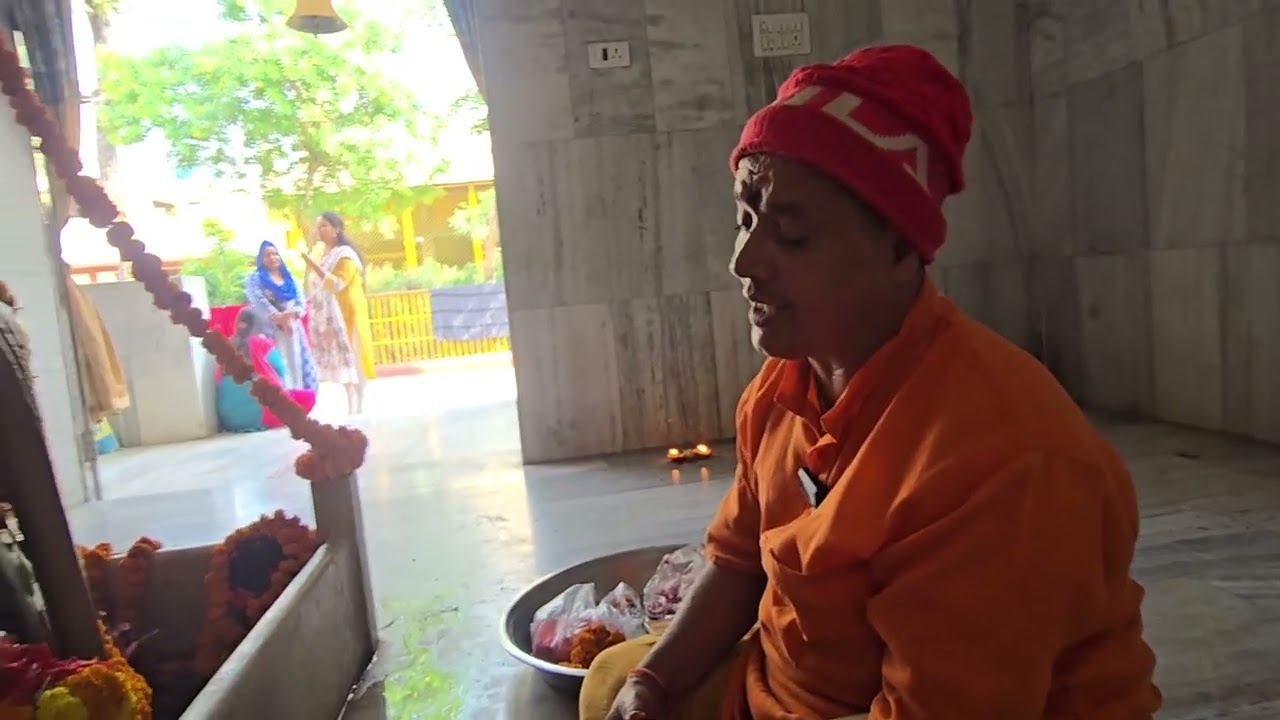
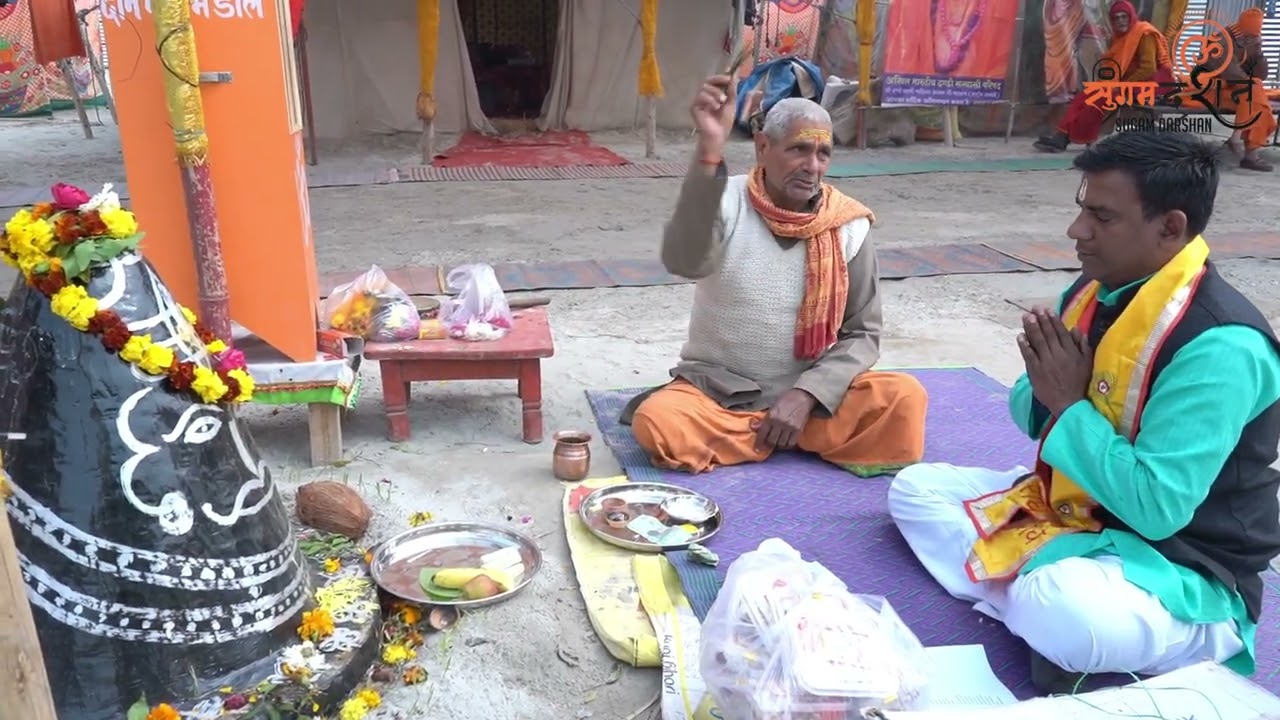
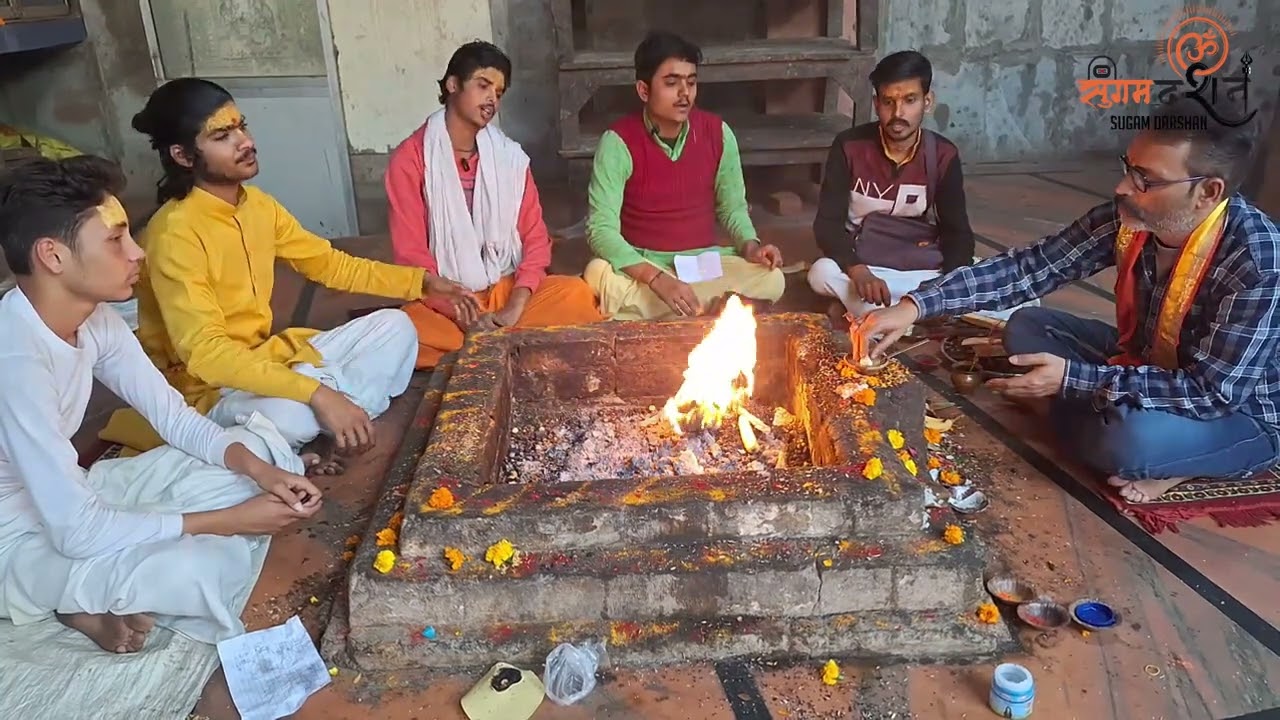

Got Questions? We've Got Answers
Everything you need to know about temple darshan and puja services
Experience Hindu Pujas & Sewa with Sugam Darshan