
Shree Daksheshwar Mahadev
Sacred abode of Lord Shiva at Kankhal, Haridwar, where the legendary Daksha Yajna unfolded, symbolizing devotion, sacrifice, and divine justice.
Disclamer:
Stuti & Sloka
Salutations to Lord Shiva.
Translation:
Salutations to Lord Shiva.
Obeisance to the great Lord Shiva.
Translation:
Obeisance to the great Lord Shiva..
O Lord, forgive all our mistakes.
Translation:
O Lord, forgive all our mistakes.
Sacred Mantras
Sanskrit Mantra
Om Daksheshwaraya Mahadevaya Namah
Shiva Panchakshari Mantra
Om Namah Shivaya
Story of The Temple
Divine Tales and Sacred History
"अहंकार का अंत और भक्ति का आरंभ ही शिवत्व की प्राप्ति का मार्ग है; दक्ष यज्ञ की कथा इसका दिव्य संदेश देती है।"
Divine Glory of Shree Daksheshwar Mahadev Temple
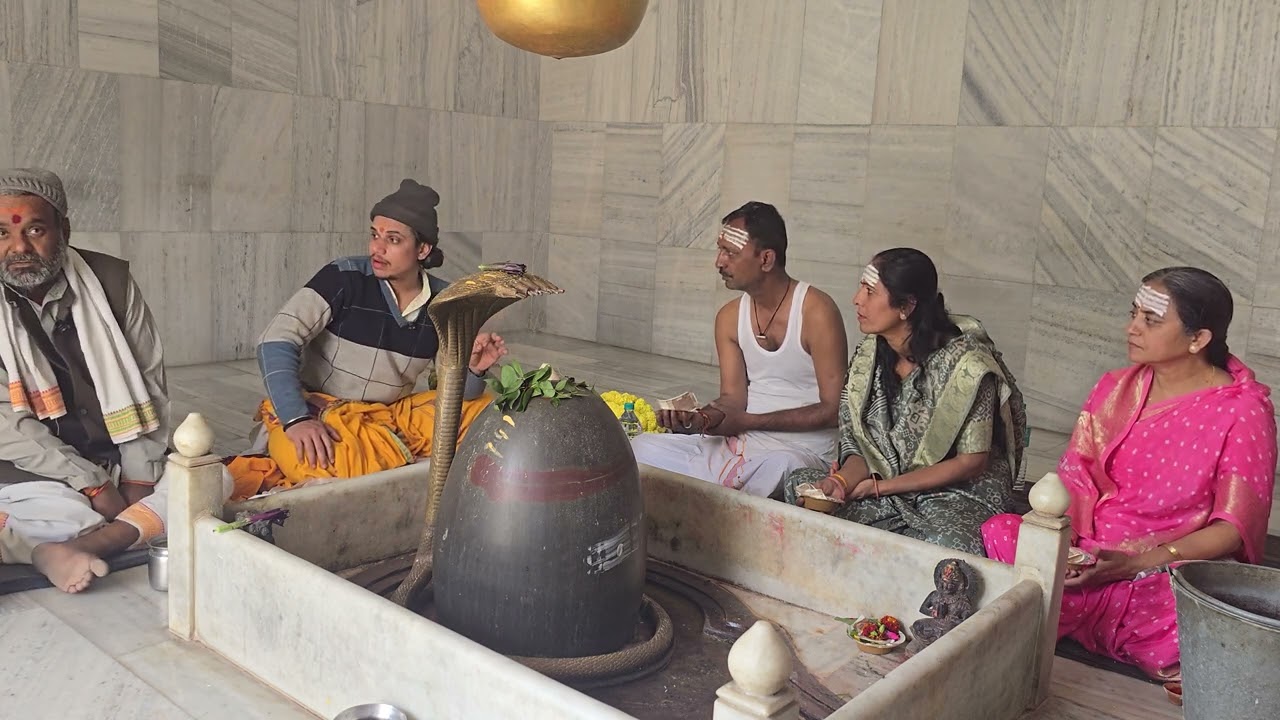
Shree Daksheshwar Mahadev Temple is one of the most revered Shiva temples in Haridwar, located in the sacred town of Kankhal. The temple is deeply associated with the legendary Daksha Yajna, one of the most significant events described in Hindu scriptures.
Dedicated to Lord Shiva, the temple attracts thousands of devotees who come seeking blessings for spiritual growth, family welfare, peace, and liberation. The sacred shrine stands as a symbol of Lord Shiva's compassion, power, and protection.
The spiritual atmosphere of the temple, combined with its mythological significance, makes it an important pilgrimage destination for devotees from across India. The temple serves as a reminder of the eternal values of devotion, humility, and surrender to the Divine.
Today, Daksheshwar Mahadev Temple remains one of the most important Shiva pilgrimage centers in Uttarakhand..
Mythological Origin and Daksha Yajna Legend
According to Hindu scriptures, King Daksha Prajapati, father of Goddess Sati, organized a grand yajna but deliberately did not invite Lord Shiva. Deeply hurt by this insult to her husband, Goddess Sati attended the yajna and witnessed disrespect toward Lord Shiva.
Unable to tolerate the humiliation, Sati immolated herself in the sacrificial fire. Upon learning of this tragedy, Lord Shiva became enraged and sent Virabhadra to destroy the yajna and punish Daksha.
Virabhadra destroyed the sacrificial ceremony and severed Daksha's head. Later, Lord Shiva forgave Daksha and restored his life by placing a goat's head upon him.
This divine episode symbolizes the consequences of arrogance and the triumph of devotion, humility, and righteousness.
Historical and Architectural Importance
The present Daksheshwar Mahadev Temple has evolved over centuries as a major center of Shiva worship. The temple complex includes the main Shiva shrine, sacred yajna kunds, and shrines dedicated to Goddess Sati and other deities.
Built in traditional North Indian temple architecture, the temple features beautifully designed structures, devotional halls, and sacred courtyards. The temple's serene environment attracts both pilgrims and spiritual seekers.
The temple's location in Kankhal, one of the oldest sacred regions of Haridwar, further enhances its historical and religious significance. The architecture reflects devotion and preserves the memory of one of Hinduism's most important mythological events.
Spiritual Energy and Religious Importance
Daksheshwar Mahadev Temple is considered a powerful center of spiritual purification and divine blessings. Devotees believe that worshipping Lord Shiva here helps overcome ego, remove negative karma, and attain inner peace.
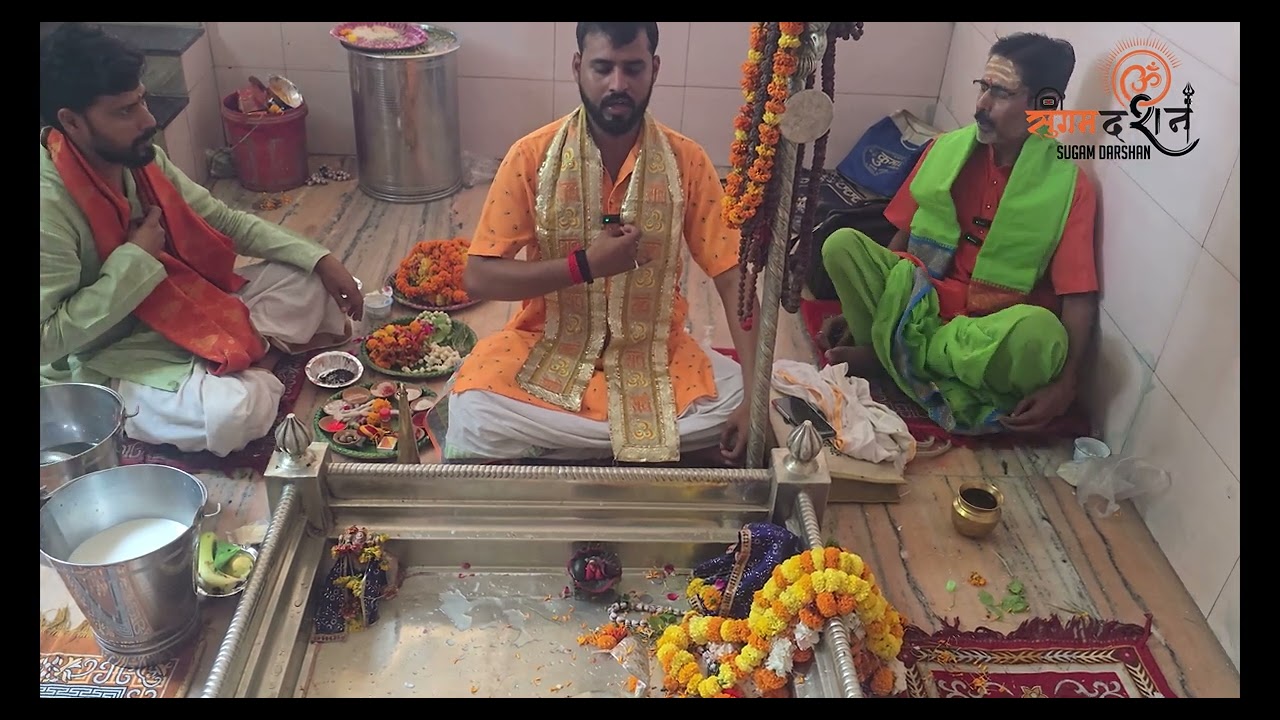
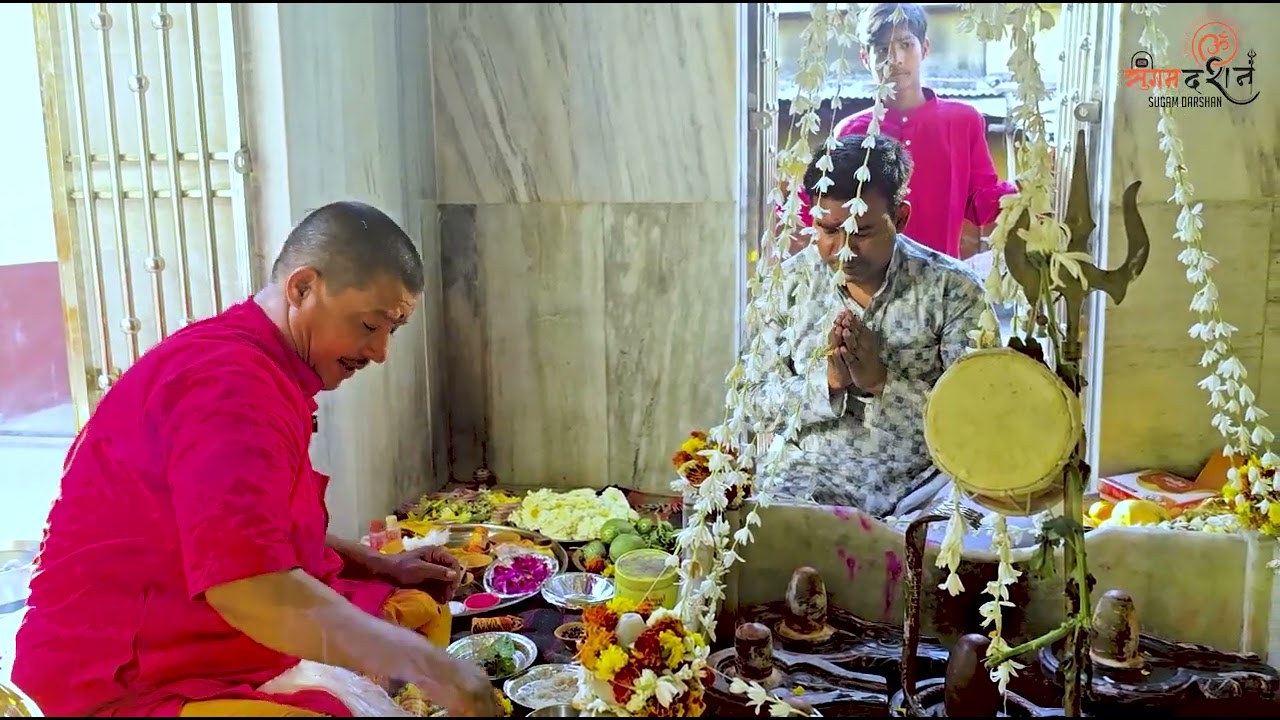
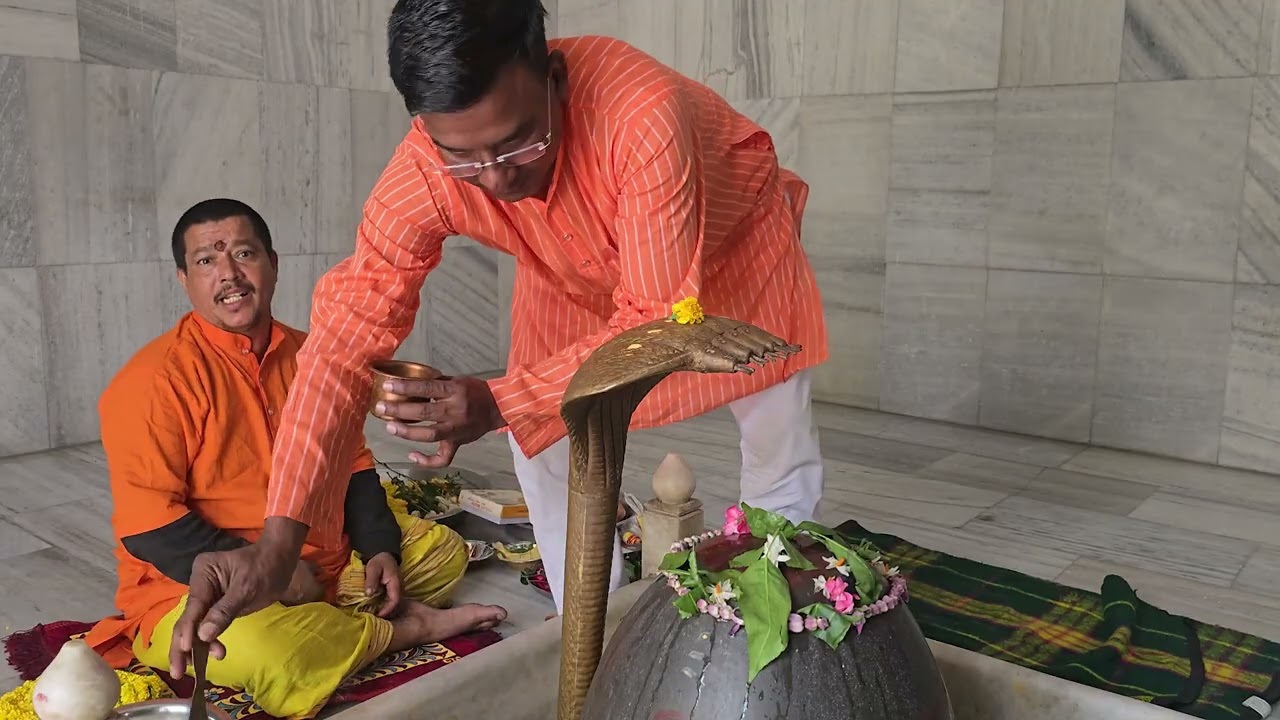
The temple is especially visited by devotees seeking family harmony, marriage blessings, prosperity, and spiritual advancement. The sacred vibrations created through daily aartis, Rudrabhishek, and mantra chanting inspire devotion and faith.
Many pilgrims perform prayers in memory of Goddess Sati and seek Lord Shiva's blessings for strength, wisdom, and protection. The temple serves as a reminder of the eternal bond between Shiva and Shakti.
Festivals and Pilgrimage Importance
Mahashivratri is the grandest festival celebrated at Daksheshwar Mahadev Temple, attracting thousands of devotees from across the country. Special Rudrabhishek, Shiva Puja, bhajans, and religious processions are conducted during this sacred occasion.
The holy month of Shravan is also considered highly auspicious for visiting the temple. Kanwar Yatra pilgrims frequently visit Daksheshwar Mahadev to offer sacred Ganga water to Lord Shiva.
The temple remains an integral part of the Haridwar pilgrimage circuit and is visited by devotees throughout the year seeking divine blessings and spiritual upliftment.
Importance of The Temple
Sacred Significance and Divine Blessings
Sacred Site of Daksha Yajna
The temple marks the legendary location associated with the Daksha Yajna and Goddess Sati.
Powerful Shiva Pilgrimage
A revered destination for devotees seeking Lord Shiva's blessings and grace.
Symbol of Humility and Devotion
The temple teaches the spiritual importance of surrender and respect for the Divine.
Sacred Shiva-Shakti Heritage
The shrine preserves one of Hinduism's most important stories of Shiva and Sati.
Pujas Performed in The Temple
Sacred Rituals and Divine Ceremonies
Daily Rituals
Special Pujas
Popular Offerings
Darshan of Aarti Timings
Temple Opening Hours and Aarti Schedule
Temple Darshan Timings
Daily schedule for temple visits
Morning Darshan
Morning Darshan
Afternoon Closure
Afternoon Closure
Evening Darshan
Evening Darshan
How to Reach Temple
Plan Your Sacred Journey to the Temple
By Airplane
Nearest Airport: Nearest Airport: Jolly Grant Airport
Distance: Distance: Approx. 38 KM
Travel Time: Travel Time: 1 Hour
By Train
Nearest Station: Nearest Railway Station: Haridwar Junction Railway
Distance: Distance: Approx. 4 KM
Travel Time: Travel Time: 15 Minutes
By Road
Bus Stand: Nearest Bus Stand: Haridwar Bus Stand
Distance: Distance: Approx. 4 KM
Travel Time: Travel Time: 15 Minutes
Important Travel Information
Distance from Major Cities
New Delhi
220 KM 5–6 Hours
Mumbai
1,650 KM 28–30 Hours
Kolkata
1,550 KM 28–30 Hours
Lucknow
320 km
Got Questions? We've Got Answers
Everything you need to know about temple darshan and puja services
Experience Hindu Pujas & Sewa with Sugam Darshan