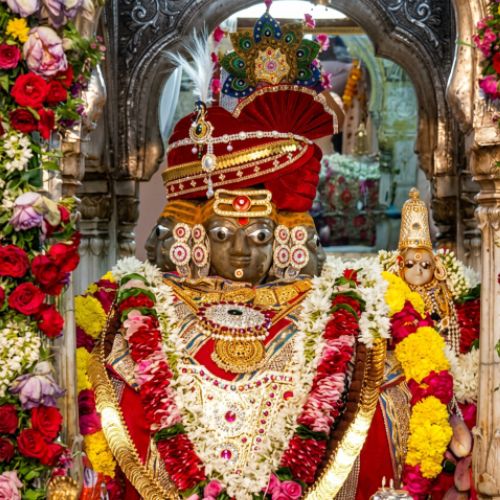
Pushkar Brahma Temple
Ancient Pushkar Brahma Temple, where Lord Brahma blesses devotees with wisdom, creation, peace, prosperity, and spiritual liberation.
Disclamer:
Stuti & Sloka
गुरुर्ब्रह्मा गुरुर्विष्णुः गुरुर्देवो महेश्वरः। गुरुः साक्षात् परं ब्रह्म तस्मै श्रीगुरवे नमः॥
Translation:
The Guru embodies Brahma, Vishnu, and Mahesh.
ॐ चतुर्मुखाय विद्महे हंसरूढाय धीमहि। तन्नो ब्रह्मा प्रचोदयात्॥
Translation:
May Lord Brahma inspire us with wisdom..
वेदात्मने नमस्तुभ्यं सृष्टिकर्त्रे नमो नमः। ज्ञानदाय नमस्तुभ्यं ब्रह्मणे परमात्मने॥
Translation:
Salutations to Lord Brahma, the giver of wisdom.
Sacred Mantras
Sanskrit Mantra
ॐ ब्रह्मणे नमः॥
Brahma Gayatri Mantra
ॐ चतुर्मुखाय विद्महे। हंसरूढाय धीमहि। तन्नो ब्रह्मा प्रचोदयात्॥
Story of The Temple
Divine Tales and Sacred History
"ज्ञान ही सृष्टि का प्रथम प्रकाश है। भगवान ब्रह्मा की उपासना से विवेक, धर्म और आत्मबोध का उदय होता है।"
Divine Glory of Pushkar Brahma Temple
Brahma Temple is one of the world's oldest and most revered temples dedicated to Lord Brahma, the Creator of the Universe according to Hindu tradition. Located in the sacred town of Pushkar beside the holy Pushkar Lake, this temple is a rare and highly significant pilgrimage destination. Lord Brahma is worshipped here as the creator of all existence and the source of divine wisdom. Pilgrims believe that offering prayers at the temple and taking a holy dip in Pushkar Lake purifies the soul, removes accumulated sins, and grants spiritual merit. The temple's sacred atmosphere, Vedic rituals, and timeless heritage make it one of the holiest pilgrimage sites in India..
Mythological Origin and Sacred Legends
According to the Padma Purana, Lord Brahma performed a grand yajna at Pushkar after a lotus flower fell from his hand, creating the sacred Pushkar Lake. During the yajna, Goddess Saraswati was delayed, leading Lord Brahma to perform the ritual with Goddess Gayatri. Angered by this, Saraswati cursed that Brahma would rarely be worshipped on Earth except at Pushkar.
This divine legend explains why the Pushkar Brahma Temple is considered unique among Hindu temples. Devotees believe that worshipping Lord Brahma here grants wisdom, prosperity, righteous living, and liberation from past karmas. The temple continues to preserve ancient Vedic traditions that have been practiced for centuries.
Historical Background and Temple Architecture
The Brahma Temple has ancient origins and is believed to have existed for more than two thousand years. Although renovated several times by Hindu kings and devotees, the temple retains its immense historical and spiritual importance.
Constructed primarily with marble and stone, the temple features a striking red spire, beautifully carved pillars, and a sanctum housing the four-faced idol of Lord Brahma. The temple also contains shrines dedicated to Goddess Gayatri, Goddess Saraswati, and other deities connected with Brahma.
Its traditional Rajasthani architecture, peaceful surroundings, and sacred location near Pushkar Lake create an atmosphere of profound devotion and serenity.
Religious Importance and Spiritual Energy
Pushkar Brahma Temple is regarded as one of Hinduism's most sacred pilgrimage destinations. Devotees visit to seek blessings for knowledge, wisdom, family harmony, success, and spiritual progress. The temple is especially significant for students, scholars, spiritual seekers, and those beginning new phases of life.
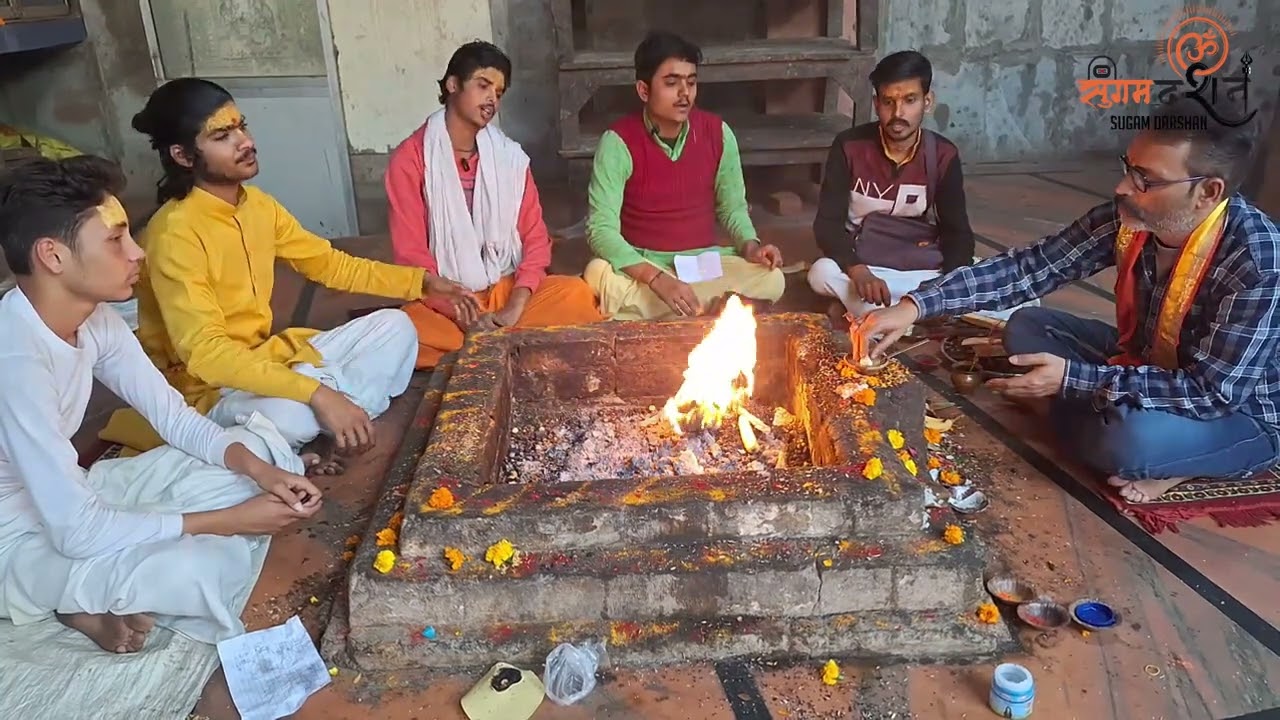
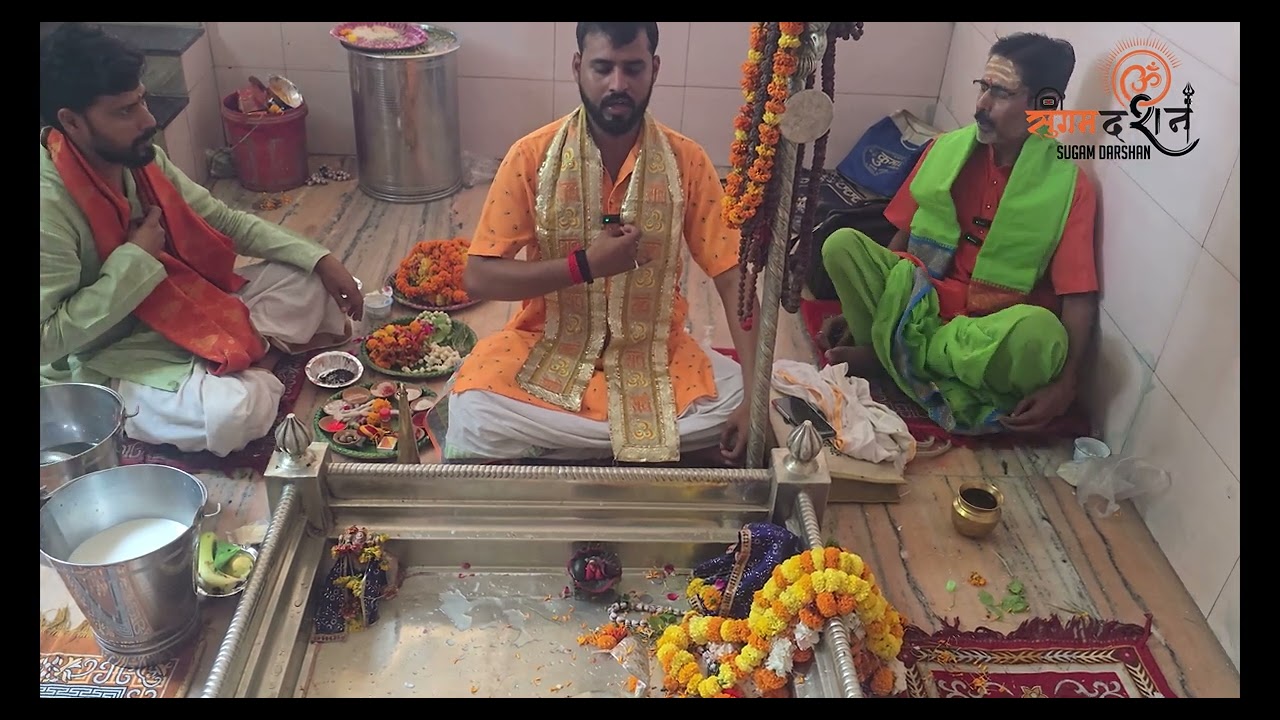
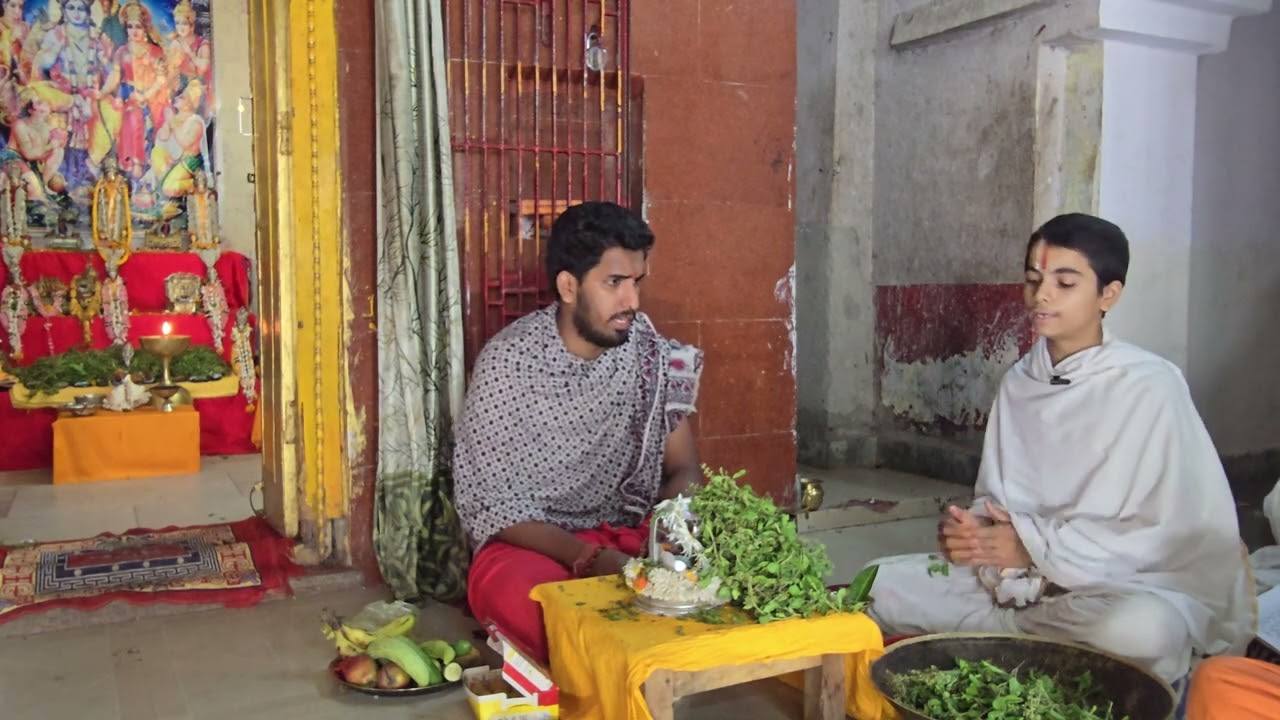
Daily worship includes Mangala Aarti, Vedic chanting, Brahma Archana, Abhishek, and Bhog offerings. Pilgrims also perform ancestral rituals and take a sacred dip in Pushkar Lake before entering the temple.
The temple radiates an atmosphere of peace, devotion, and spiritual awakening, inspiring devotees to follow the path of dharma and divine knowledge.
Festivals and Pilgrimage Importance
The most important celebration at Pushkar Brahma Temple is Kartik Purnima, when lakhs of devotees gather for holy bathing and Brahma worship. The world-famous Pushkar Camel Fair is also held during this period, making Pushkar a vibrant center of spirituality and culture.
Other important festivals include Guru Purnima, Makar Sankranti, and various Vedic ceremonies. A pilgrimage to Pushkar is considered highly auspicious and is believed to bestow wisdom, prosperity, purification, and divine blessings from Lord Brahma.
Importance of The Temple
Sacred Significance and Divine Blessings
World's Most Famous Brahma Temple
One of the very few temples in the world dedicated to Lord Brahma.
Sacred Pushkar Lake Pilgrimage
Holy bathing at Pushkar Lake is believed to cleanse sins and bring spiritual merit.
Gateway to Wisdom and Creation
Devotees seek divine knowledge, creativity, and righteous living.
Ancient Center of Vedic Worship
A timeless pilgrimage preserving sacred Vedic traditions and rituals.
Pujas Performed in The Temple
Sacred Rituals and Divine Ceremonies
Daily Rituals
Special Pujas
Popular Offerings
Darshan of Aarti Timings
Temple Opening Hours and Aarti Schedule
Temple Darshan Timings
Daily schedule for temple visits
Morning Darshan
Morning Darshan
Afternoon Closure
Afternoon Closure
Evening Darshan
Evening Darshan
How to Reach Temple
Plan Your Sacred Journey to the Temple
By Airplane
Nearest Airport: Nearest Airport: Kishangarh Airport
Distance: Distance: Approx. 45 KM
Travel Time: Travel Time: 1 Hour
By Train
Nearest Station: Nearest Railway Station: Ajmer Junction Railway St
Distance: Distance: Approx. 15 KM
Travel Time: Travel Time: 30–40 Minutes
By Road
Bus Stand: Nearest Bus Stand: Pushkar Bus Stand
Distance: Distance: Approx. 1 KM
Travel Time: Travel Time: 5 Minutes
Important Travel Information
Distance from Major Cities
New Delhi
415 KM 7–8 Hours
Mumbai
820 KM 14–15 Hours
Kolkata
1,580 KM 27–29 Hours
Lucknow
320 km
Got Questions? We've Got Answers
Everything you need to know about temple darshan and puja services
Experience Hindu Pujas & Sewa with Sugam Darshan