
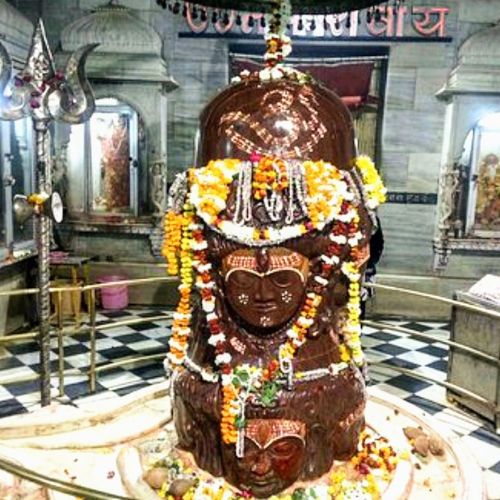
Pashupatinath Temple
Divine Pashupatinath Temple, the sacred abode of Lord Shiva, blessing devotees with protection, spiritual wisdom, peace, and liberation.
Disclamer:
Stuti & Sloka
ॐ नमः शिवाय॥
Translation:
Salutations to Lord Shiva.
नमामीशमीशान निर्वाणरूपम्। विभुं व्यापकं ब्रह्मवेदस्वरूपम्॥
Translation:
Lord Shiva is the eternal universal reality..
करचरणकृतं वाक्कायजं कर्मजं वा। श्रवणनयनजं वा मानसं वापराधम्॥
Translation:
O Shiva, forgive all our known and unknown faults.
Sacred Mantras
Sanskrit Mantra
ॐ पशुपतिनाथाय नमः॥
Shiva Panchakshari Mantra
ॐ नमः शिवाय॥
Story of The Temple
Divine Tales and Sacred History
"जो श्रद्धा और भक्ति से भगवान शिव की उपासना करता है, वह भय, बंधन और अज्ञान से मुक्त होकर परम कल्याण प्राप्त करता है।"
Divine Glory of Pashupatinath Temple
Pashupatinath Temple is one of the most sacred and revered Shiva temples in the world. Located on the banks of the holy Bagmati River in Kathmandu, this ancient shrine is dedicated to Lord Pashupati, a unique form of Lord Shiva known as the protector of all living beings.
Recognized as one of the most important pilgrimage destinations for Shaivites, the temple attracts millions of devotees, saints, and spiritual seekers every year. The sacred atmosphere, Vedic rituals, and continuous chanting of Shiva mantras create a powerful spiritual experience.
The temple is not only a center of worship but also a symbol of Nepal's rich spiritual heritage. Devotees believe that sincere prayers offered here bring peace, protection, prosperity, and liberation.
The divine presence of Lord Pashupatinath continues to inspire faith and devotion across generations..
Mythological Origin and Sacred Legends
According to ancient Hindu legends, Lord Shiva once took the form of a deer and wandered through the forests of the Kathmandu Valley. The gods searched for him and eventually discovered his divine form.
When they attempted to bring him back to Kailash, one of his horns broke and became buried in the earth. Centuries later, a divine Shiva Lingam emerged at that sacred spot, leading to the establishment of Pashupatinath Temple.
Another legend states that Lord Shiva chose this place as his earthly abode due to its spiritual purity and natural beauty. The temple is therefore regarded as a direct manifestation of Shiva's divine presence.
These sacred stories have made Pashupatinath one of the most revered Shiva pilgrimage sites in the Hindu world.
Historical Background and Temple Architecture
The origins of Pashupatinath Temple date back many centuries, with references appearing in ancient inscriptions and historical records. The present structure was rebuilt and renovated by various Nepalese kings over time.
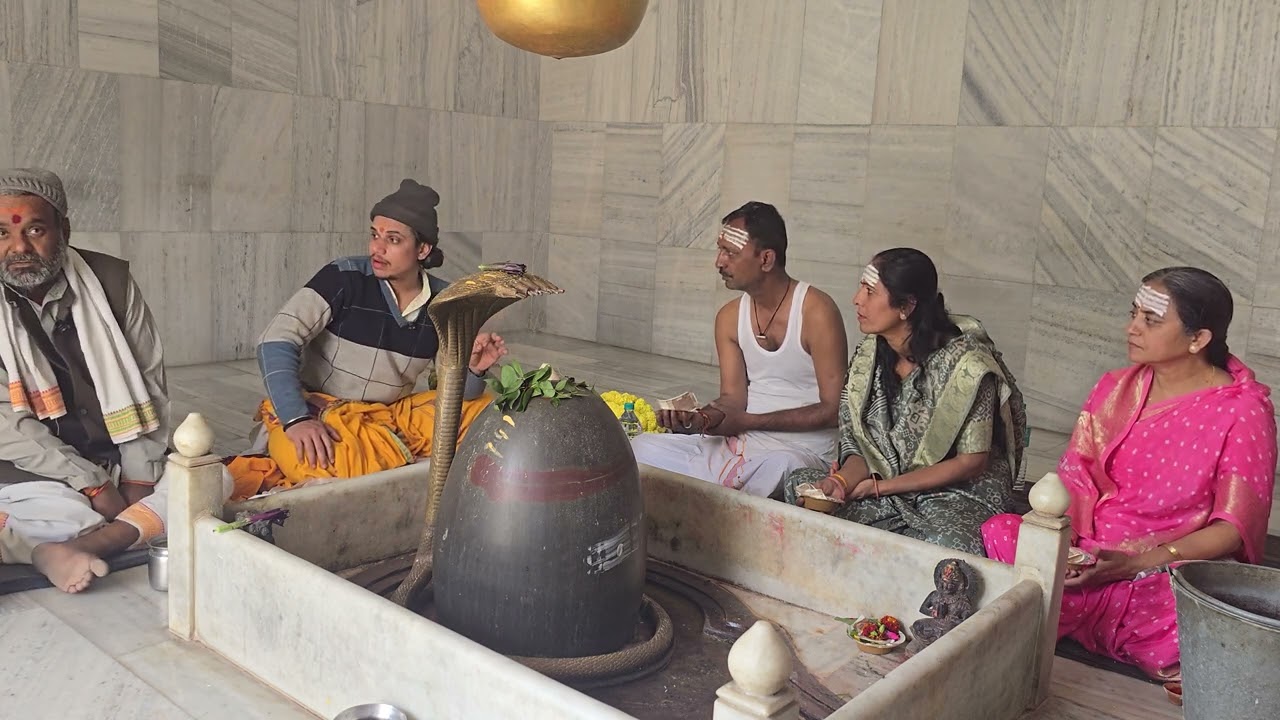
The temple showcases traditional Nepalese pagoda-style architecture with beautifully carved wooden structures, silver-plated doors, and an elegant golden roof. The sanctum houses the famous four-faced Shiva Lingam representing different aspects of Lord Shiva.
The temple complex includes numerous shrines, ashrams, meditation centers, and sacred ghats along the Bagmati River. The artistic craftsmanship and architectural beauty reflect the rich cultural heritage of Nepal.
Its unique architectural style distinguishes it from many other Shiva temples across the Indian subcontinent.
Spiritual Importance and Religious Significance
Pashupatinath Temple holds immense spiritual significance in Hinduism. Lord Pashupati is worshipped as the guardian of all living beings and the compassionate form of Shiva who protects creation.
Devotees visit the temple seeking blessings for health, prosperity, protection, wisdom, and spiritual progress. The temple is particularly important for those seeking freedom from worldly attachments and the cycle of birth and death.
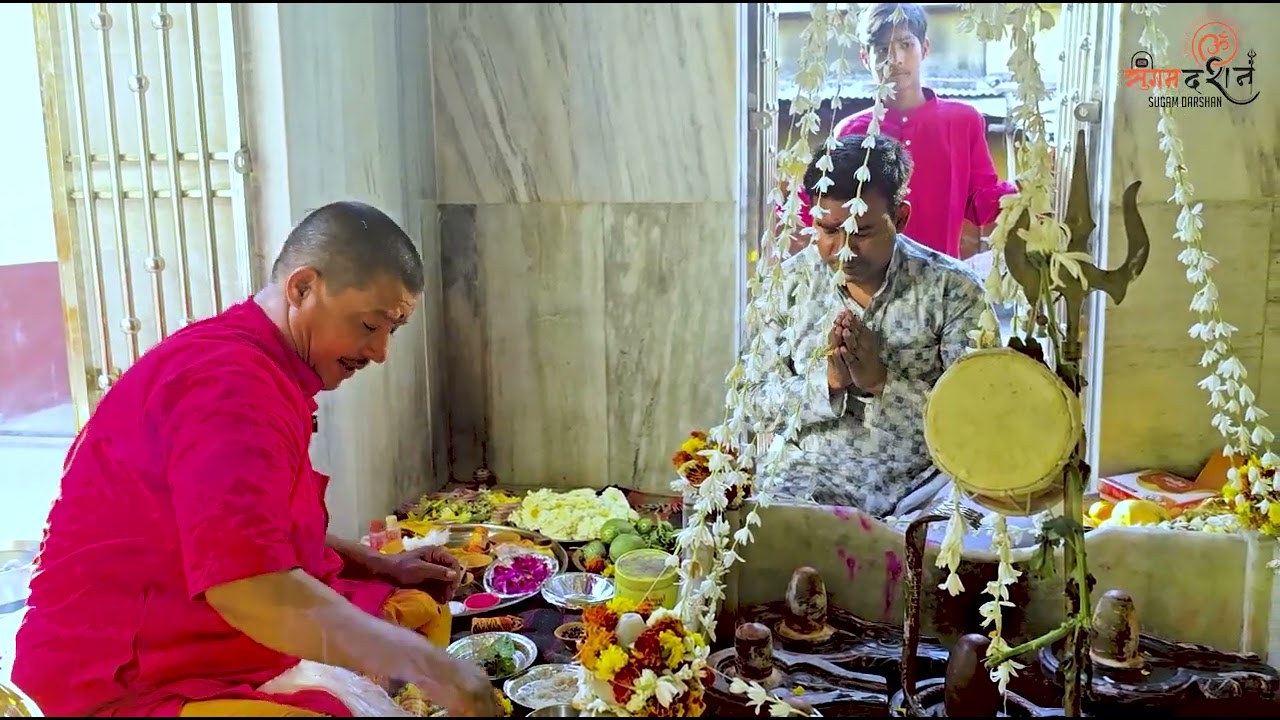
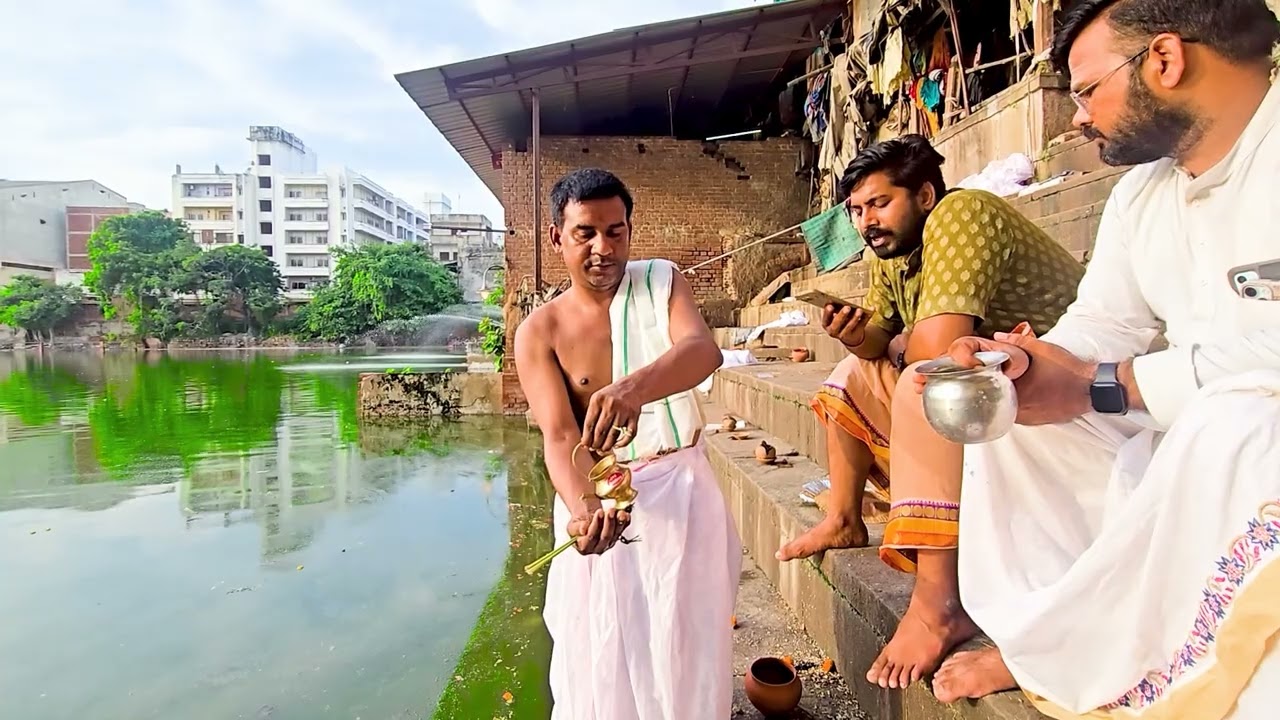
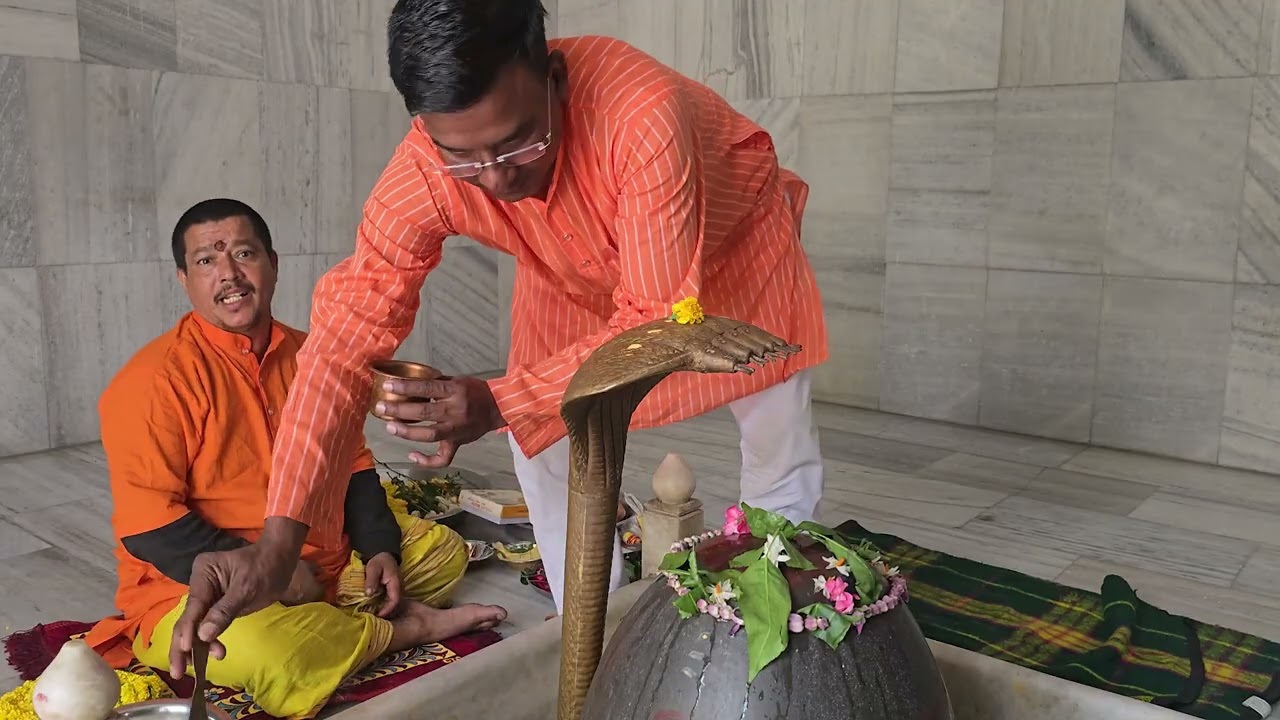
Daily abhisheks, Vedic chants, Rudra Path, and grand aartis fill the temple with divine energy. Many pilgrims meditate along the Bagmati River, experiencing deep peace and spiritual awakening.
The temple is also associated with sacred cremation rituals, reinforcing the Hindu understanding of life, death, and liberation.
Maha Shivaratri and Pilgrimage Importance
The most important festival celebrated at Pashupatinath Temple is Maha Shivaratri. During this sacred occasion, hundreds of thousands of devotees gather to offer prayers, perform abhishek, and seek Lord Shiva's blessings.
Other major festivals include Teej, Bala Chaturdashi, Shravan celebrations, and various Rudrabhishek ceremonies. The temple becomes a vibrant center of devotion and spiritual activities during these occasions.
Pashupatinath is considered one of the most important Shiva pilgrimage destinations in the world. Pilgrims from Nepal, India, and many other countries undertake this sacred journey to receive the blessings of Lord Pashupati.
A visit to the temple is believed to bring inner peace, divine grace, and spiritual liberation.
Importance of The Temple
Sacred Significance and Divine Blessings
Sacred Abode of Lord Pashupati
One of the most revered temples dedicated to Lord Shiva in the world.
Symbol of Spiritual Liberation
Devotees believe worship here helps attain peace and moksha.
Ancient Himalayan Shiva Shrine
A sacred center of Shaiva worship with centuries of history.
Powerful Center of Vedic Rituals
Known for daily abhisheks, Rudra Path, and grand Shiva worship.
Pujas Performed in The Temple
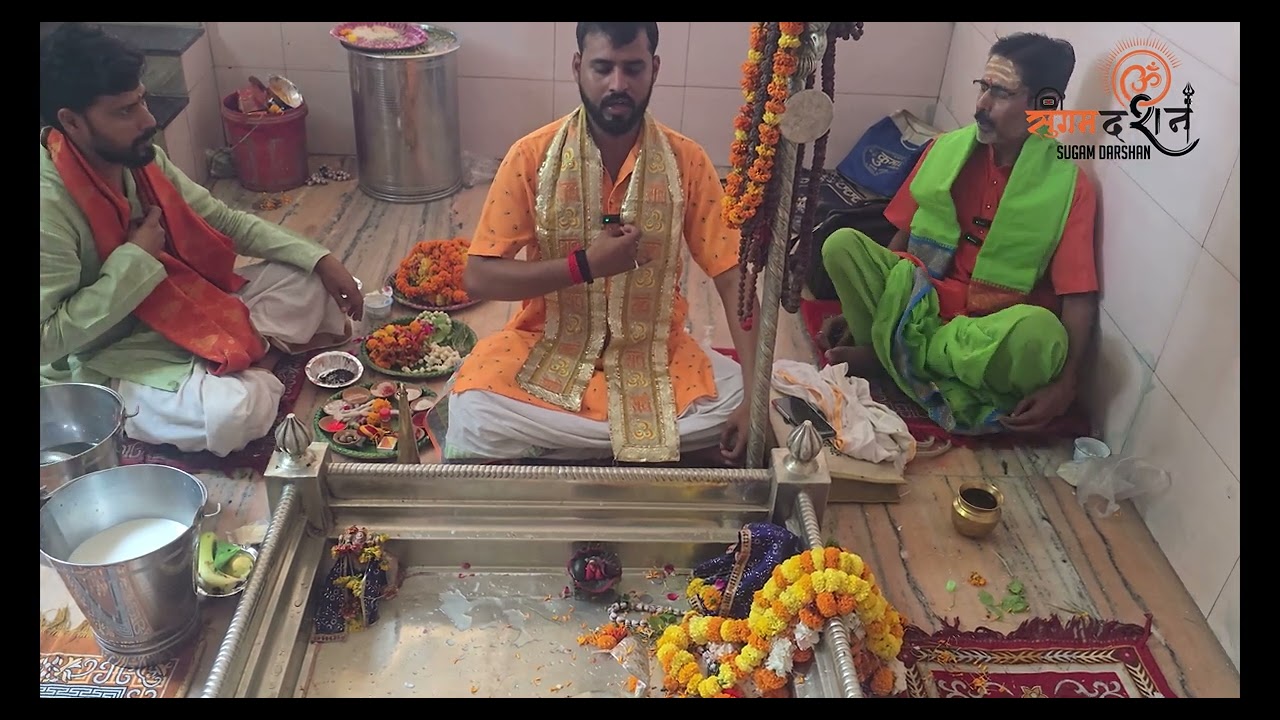
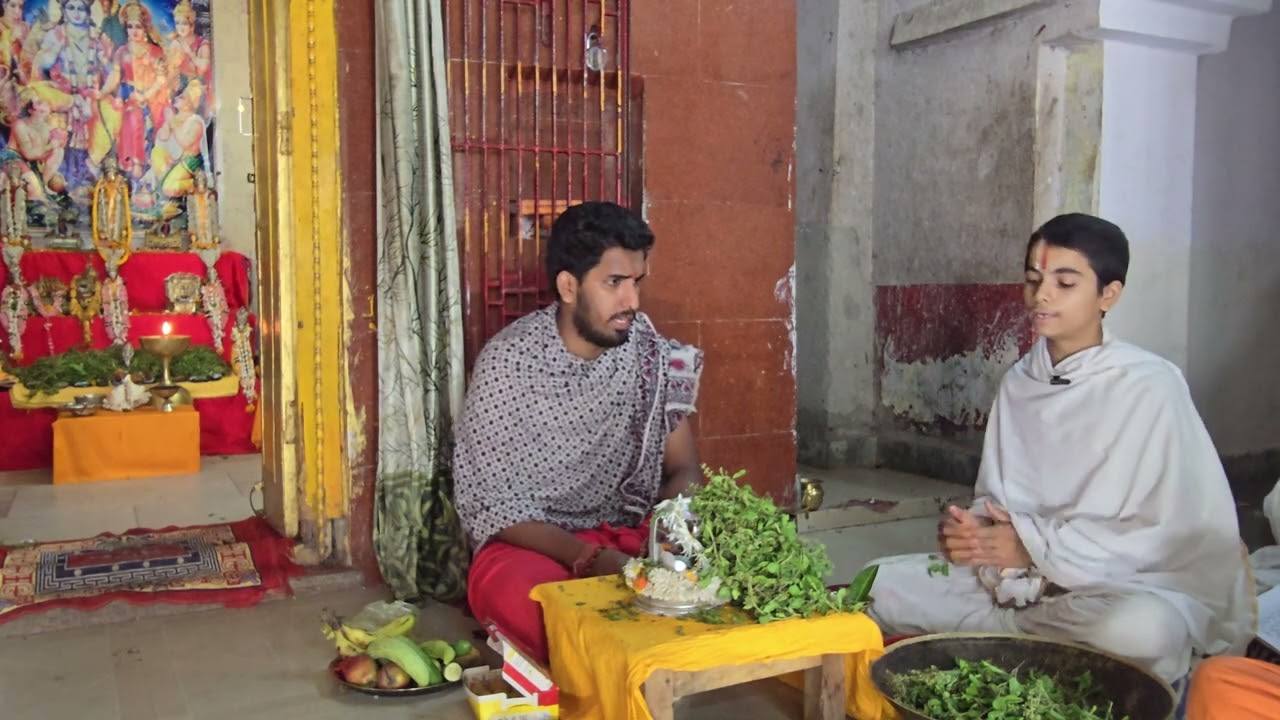
Sacred Rituals and Divine Ceremonies
Daily Rituals
Special Pujas
Popular Offerings
Darshan of Aarti Timings
Temple Opening Hours and Aarti Schedule
Temple Darshan Timings
Daily schedule for temple visits
Morning Darshan
Morning Darshan
Afternoon Closure
Afternoon Closure
Evening Darshan
Evening Darshan
How to Reach Temple
Plan Your Sacred Journey to the Temple
By Airplane
Nearest Airport: Nearest Airport: Tribhuvan International Airport T
Distance: Distance: Approx. 3 KM
Travel Time: Time: 10–15 Minutes
By Train
Nearest Station: Nearest Major Railway Access: Raxaul
Distance: Distance: Approx. 140 KM from Kathmandu
Travel Time: Travel Time: 5–6 Hours
By Road
Bus Stand: Nearest Bus Terminal: Kathmandu Bus Park
Distance: Distance: Approx. 5 KM
Travel Time: Travel Time: 15–20 Minutes
Important Travel Information
Distance from Major Cities
New Delhi
1,150 KM 20–22 Hours
Mumbai
1,800 KM 30–34 Hours
Kolkata
700 KM 15–17 Hours
Lucknow
320 km

Got Questions? We've Got Answers
Everything you need to know about temple darshan and puja services
Experience Hindu Pujas & Sewa with Sugam Darshan