
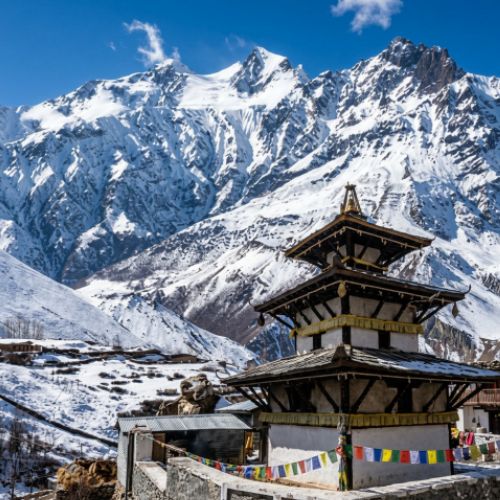
Muktinath Temple
Sacred Muktinath Temple in Nepal, where Lord Vishnu grants liberation, divine blessings, inner peace, and eternal spiritual freedom.
Disclamer:
Stuti & Sloka
शान्ताकारं भुजगशयनं पद्मनाभं सुरेशम्। विश्वाधारं गगनसदृशं मेघवर्णं शुभाङ्गम्॥
Translation:
I meditate upon Lord Vishnu, the sustainer of the universe.
ॐ नमो नारायणाय॥
Translation:
Salutations to Lord Narayana..
नमो ब्रह्मण्यदेवाय गोब्राह्मणहिताय च। जगद्धिताय कृष्णाय गोविन्दाय नमो नमः॥
Translation:
Salutations to Lord Vishnu, the protector of all beings.
Sacred Mantras
Sanskrit Mantra
ॐ श्री मुक्तिनाथाय नमः॥
Narayana Mantra
ॐ नमो नारायणाय॥
Story of The Temple
Divine Tales and Sacred History
"जो भक्त श्रद्धा और भक्ति से भगवान नारायण का स्मरण करता है, वह जन्म-मृत्यु के बंधनों से मुक्त होकर मोक्ष को प्राप्त करता है।"
Divine Glory of Muktinath Temple
Muktinath Temple is one of the holiest pilgrimage destinations for both Hindus and Buddhists. Nestled in the majestic Himalayas at an altitude of approximately 3,800 meters, the temple is dedicated to Lord Vishnu in the form of Shri Muktinath, meaning "Lord of Liberation." It is one of the revered 108 Divya Desams of Vaishnavism and is believed to grant moksha (liberation) to sincere devotees. Surrounded by breathtaking mountain landscapes and spiritual serenity, the temple attracts thousands of pilgrims every year from India, Nepal, and across the world. Devotees believe that worshipping Lord Muktinath and taking a sacred bath beneath the 108 holy water spouts cleanses sins and leads the soul toward eternal liberation..
Mythological Origin and Sacred Legends
According to Hindu scriptures, Muktinath is regarded as one of the most sacred abodes of Lord Vishnu. It is believed that after the divine dispute between Lord Vishnu and Goddess Tulsi, Vishnu manifested here to bless devotees with liberation from the cycle of birth and death. The sacred Shaligram stones, naturally found in the nearby Kali Gandaki River, are also closely associated with Lord Vishnu and are worshipped in Hindu homes and temples worldwide. The temple is equally revered in Buddhism, where it is known as Chumig Gyatsa, meaning "Hundred Waters." This unique harmony between Hindu and Buddhist traditions makes Muktinath one of the world's most spiritually significant pilgrimage sites.
Historical Background and Architectural Significance
The history of Muktinath Temple dates back many centuries and has been preserved through continuous worship by Hindu priests and Buddhist nuns. The temple showcases traditional Nepali pagoda-style architecture, beautifully blending Hindu and Buddhist artistic influences.
The temple complex includes the sacred idol of Lord Vishnu, the famous 108 water spouts (Muktidhara), two holy kunds (ponds), and the eternal natural flame known as Jwala Mai, where fire, water, and natural gas coexist—a rare phenomenon regarded as highly sacred.
The peaceful Himalayan surroundings further enhance the temple's divine atmosphere, making it one of the most extraordinary pilgrimage destinations in South Asia.
Religious Importance and Spiritual Energy
Muktinath is regarded as one of the highest spiritual destinations for devotees seeking liberation (moksha). According to Vaishnava tradition, a pilgrimage to Muktinath washes away accumulated karma and grants divine blessings for spiritual progress.
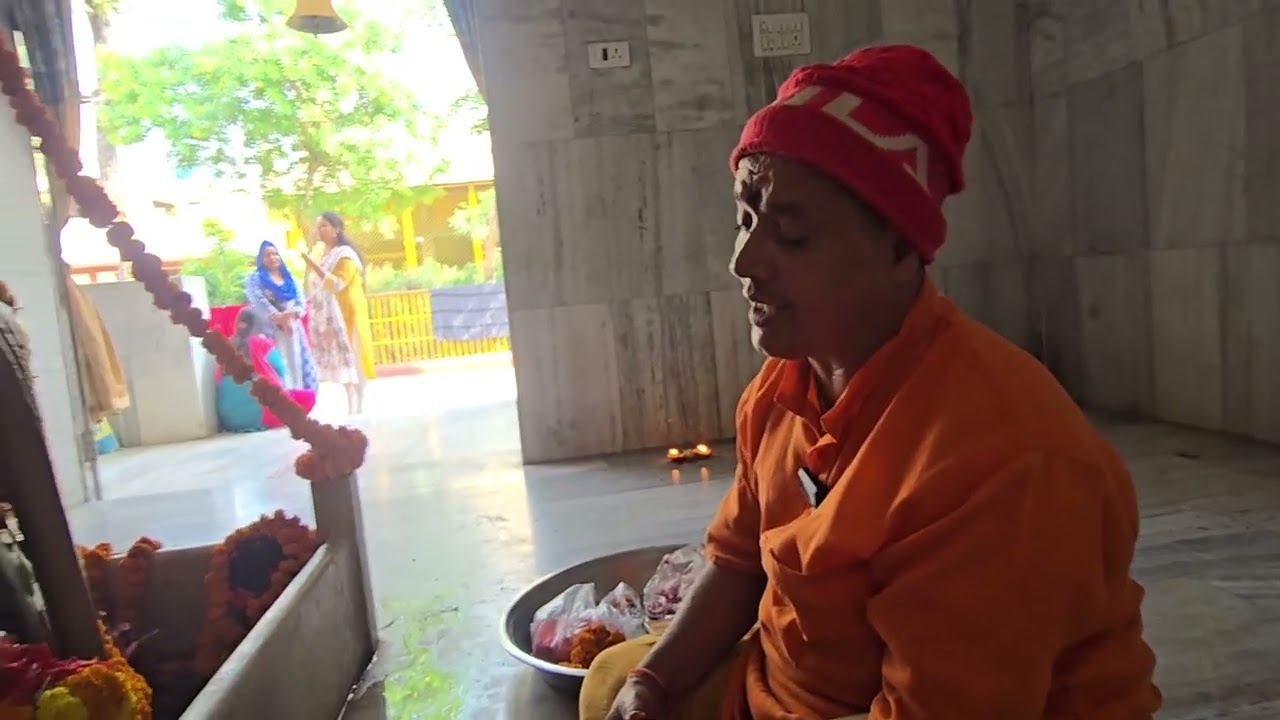
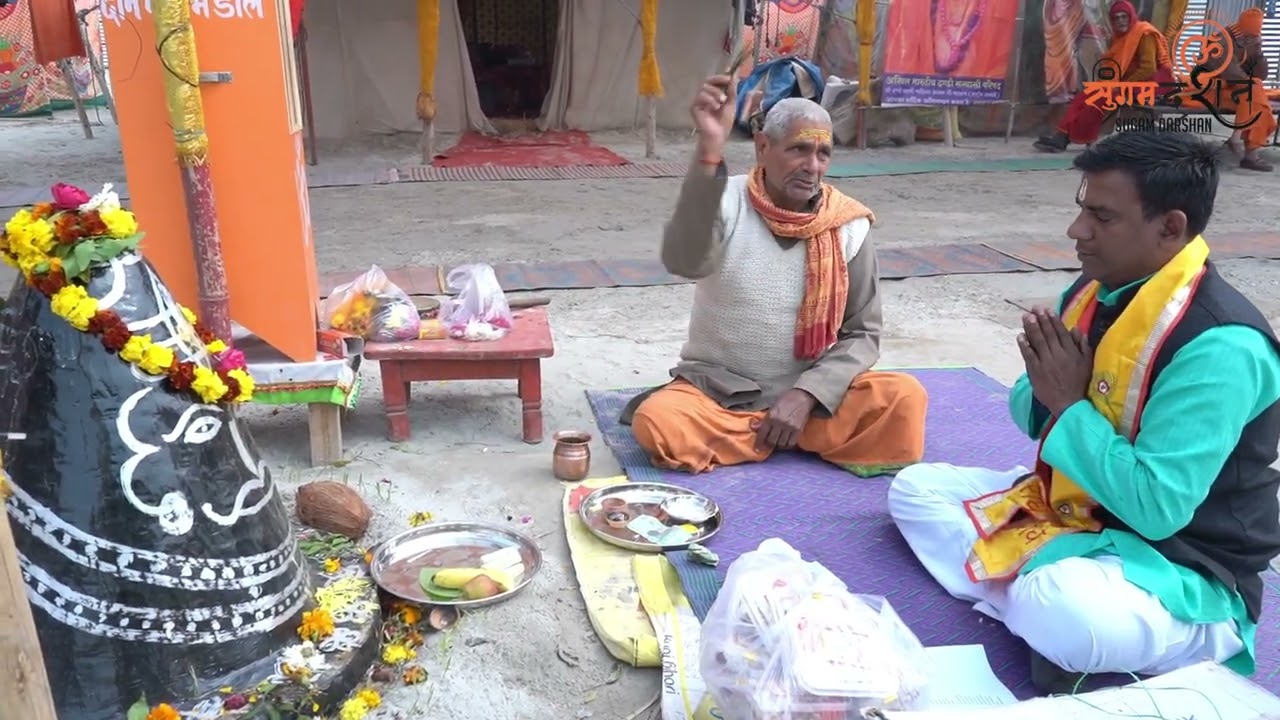
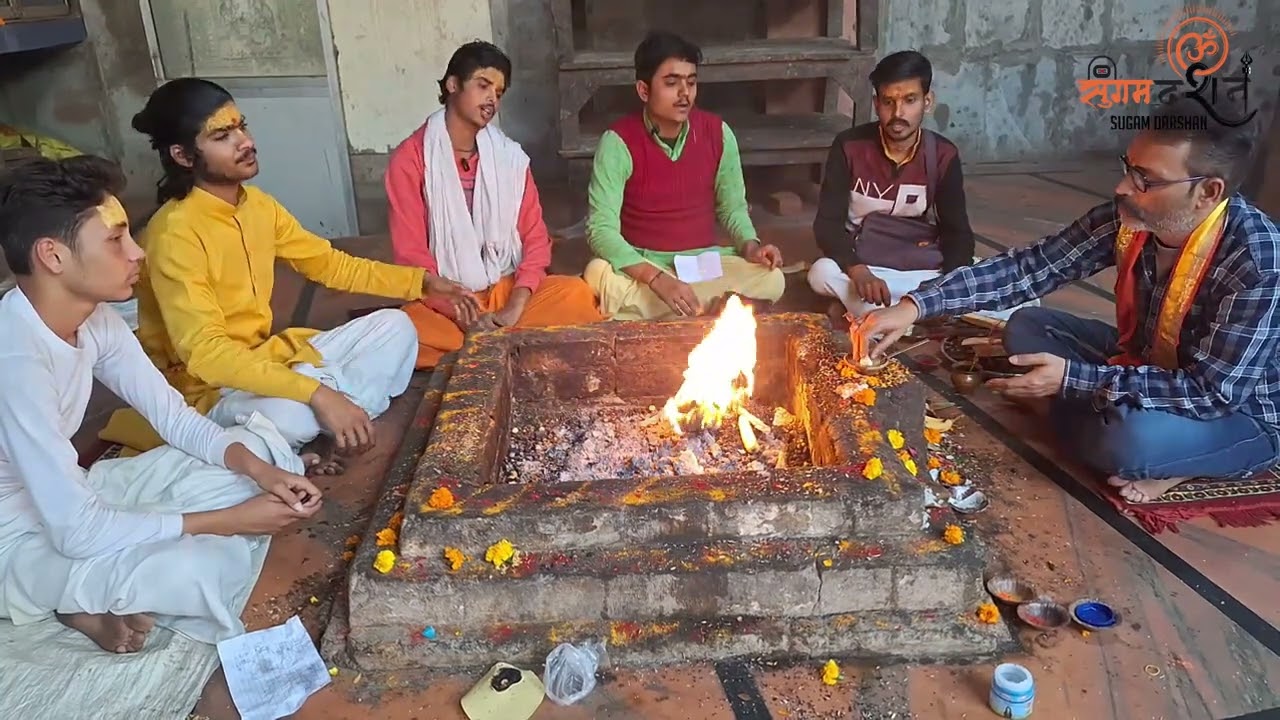
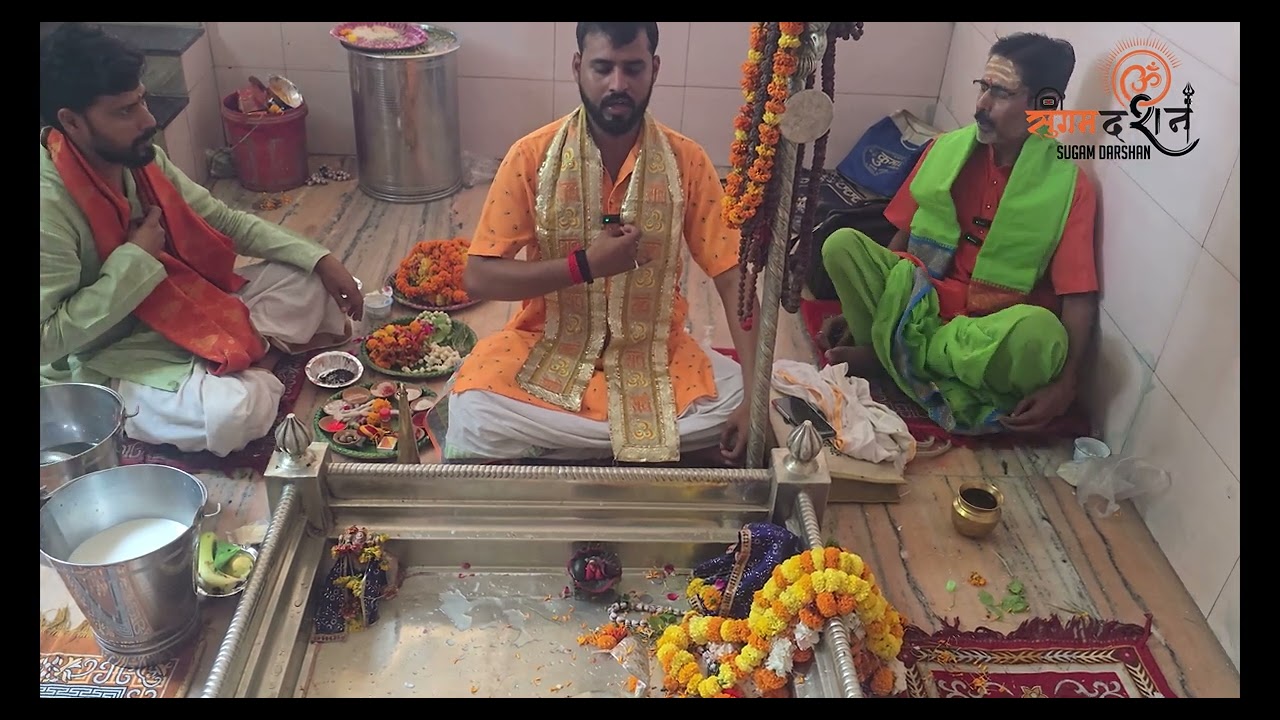
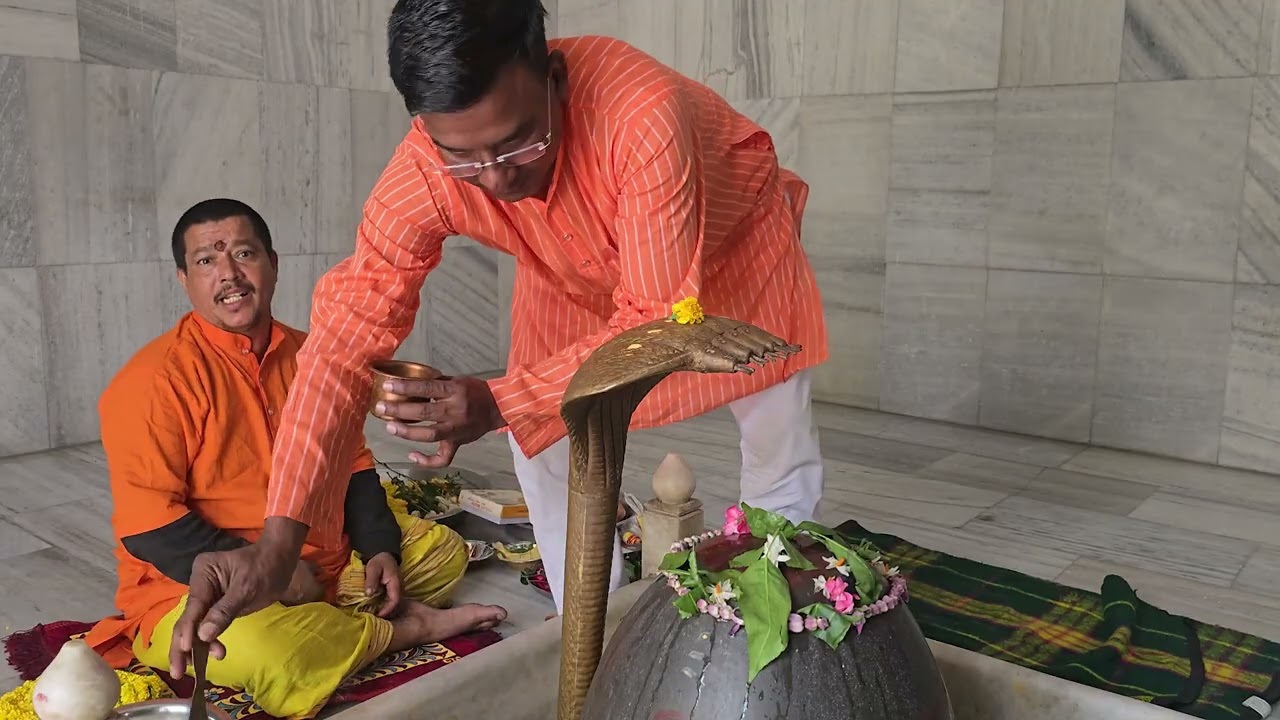
Pilgrims traditionally bathe beneath the 108 sacred water spouts before entering the temple for darshan. Daily rituals include Vishnu Archana, Abhishek, Vedic chanting, and devotional prayers. Many devotees also worship the sacred Shaligram stones obtained from the Kali Gandaki River.
The combination of ancient traditions, sacred natural elements, and profound spiritual significance makes Muktinath an extraordinary place for meditation, devotion, and inner transformation.
Festivals and Pilgrimage Importance
Muktinath Temple celebrates major Vaishnava festivals including Janmashtami, Ram Navami, Vaikuntha Ekadashi, Vijaya Dashami, and Buddha Jayanti. These occasions attract thousands of pilgrims from Nepal, India, and abroad.
The temple is also an important stop on the Nepal Himalayan pilgrimage circuit. Pilgrims often combine their visit with sacred destinations such as Pashupatinath Temple and Damodar Kund.
A pilgrimage to Muktinath is believed to bestow divine blessings, freedom from karmic bondage, inner peace, and ultimate spiritual liberation.
Importance of The Temple
Sacred Significance and Divine Blessings
Sacred Gateway to Moksha
Muktinath is believed to grant liberation from the cycle of birth and death.
One of the 108 Divya Desams
A highly revered Vaishnava pilgrimage dedicated to Lord Vishnu.
Holy 108 Water Spouts
Bathing beneath the sacred waters symbolizes purification and spiritual renewal.
Harmony of Hinduism and Buddhism
A unique pilgrimage revered by followers of both faiths.
Pujas Performed in The Temple
Sacred Rituals and Divine Ceremonies
Daily Rituals
Special Pujas
Popular Offerings
Darshan of Aarti Timings
Temple Opening Hours and Aarti Schedule
Temple Darshan Timings
Daily schedule for temple visits
Morning Darshan
Morning Darshan
Afternoon Darshan
Afternoon Darshan
Evening Darshan
Evening Darshan
How to Reach Temple
Plan Your Sacred Journey to the Temple
By Airplane
Nearest Airport: Nearest Airport: Jomsom Airport
Distance: Distance: Approx. 20 KM
Travel Time: Travel Time: 45–60 Minutes by road/jeep
By Train
Nearest Station: Nearest Town: Ranipauwa temple
Distance: Distance: Approx. 1.5 KM
Travel Time: to the Travel Time: 20–30 Minutes on foot or by l
By Road
Bus Stand: Pokhara: Approx. 175 KM
Distance: Travel Time: 7–9 Hours by road or a combination of
Travel Time: N/A
Important Travel Information
Distance from Major Cities
New Delhi
Approx. 1,050 KM Flight + Road: 8–10 Hours
Mumbai
Approx. 1,850 KM Flight + Road: 10–12 Hours
Kolkata
Approx. 950 KM Approx. 950 KM
Lucknow
320 km
Got Questions? We've Got Answers
Everything you need to know about temple darshan and puja services
Experience Hindu Pujas & Sewa with Sugam Darshan