
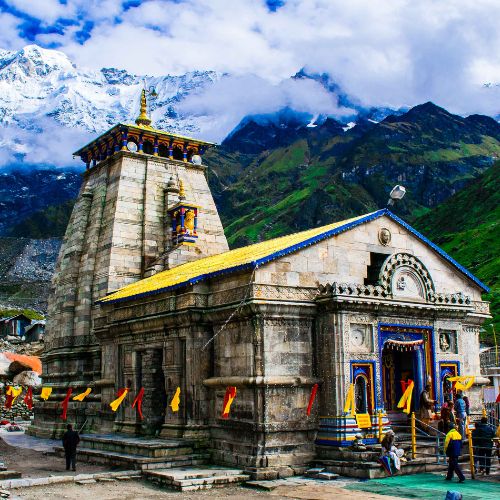
Kedarnath Temple uttarakhand
Ancient Kedarnath Jyotirlinga nestled in the Himalayas, where Lord Shiva blesses devotees with liberation, devotion, and divine grace.
Disclamer:
Stuti & Sloka
करचरणकृतं वाक्कायजं कर्मजं वा। श्रवणनयनजं वा मानसं वापराधम्॥
Translation:
O Shiva, forgive all known and unknown mistakes.
नमामीशमीशान निर्वाणरूपं। विभुं व्यापकं ब्रह्मवेदस्वरूपम्॥
Translation:
Lord Shiva is the eternal and all-pervading truth..
ॐ नमः शिवाय॥
Translation:
Salutations to Lord Shiva.
Sacred Mantras
Sanskrit Mantra
ॐ केदारनाथाय नमः॥
Shiva Panchakshari Mantra
ॐ नमः शिवाय॥
Story of The Temple
Divine Tales and Sacred History
"शिवभक्ति से मनुष्य जन्म-मरण के बंधनों से मुक्त होकर परम शांति और मोक्ष को प्राप्त करता है।"
Divine Glory of Kedarnath Temple
Kedarnath Temple is one of the holiest shrines dedicated to Lord Shiva and holds a special place among the twelve Jyotirlingas of India. Situated amidst the majestic Garhwal Himalayas in Uttarakhand, at an elevation of about 3,583 meters, the temple is a symbol of unwavering faith and spiritual devotion.
Surrounded by snow-capped peaks and breathtaking natural beauty, Kedarnath offers an extraordinary spiritual experience. Every year, lakhs of pilgrims undertake the sacred journey to seek the blessings of Lord Kedarnath.
The temple forms an important part of the revered Char Dham Yatra and is considered one of the most spiritually powerful destinations in Hinduism. Devotees believe that a visit to Kedarnath helps wash away sins and grants divine grace.
Its sacred atmosphere inspires devotion, humility, and spiritual awakening..
Mythological Origin and Pandava Connection
According to the Mahabharata, after the Kurukshetra war, the Pandavas sought forgiveness from Lord Shiva for the sins committed during the battle. However, Lord Shiva wished to avoid them and took the form of a bull.
The Pandavas followed Shiva to the Himalayas, where Lord Shiva disappeared into the earth. It is believed that the hump of the divine bull appeared at Kedarnath, while other body parts manifested at different locations known collectively as the Panch Kedar temples.
Pleased by the devotion of the Pandavas, Lord Shiva blessed them and granted liberation. The Pandavas are also believed to have built the original temple structure.
This sacred legend makes Kedarnath one of the most important pilgrimage sites associated with Lord Shiva and the Mahabharata.
Historical Background and Architecture
The present temple is traditionally believed to have been revived by Adi Shankaracharya during the eighth century CE. Built from massive stone slabs, the temple has stood resilient against centuries of harsh Himalayan weather.
Its architecture reflects the ancient North Indian temple style with a grand stone sanctum and towering structure. Despite being located in a region prone to extreme climatic conditions, the temple remains a remarkable example of ancient engineering.
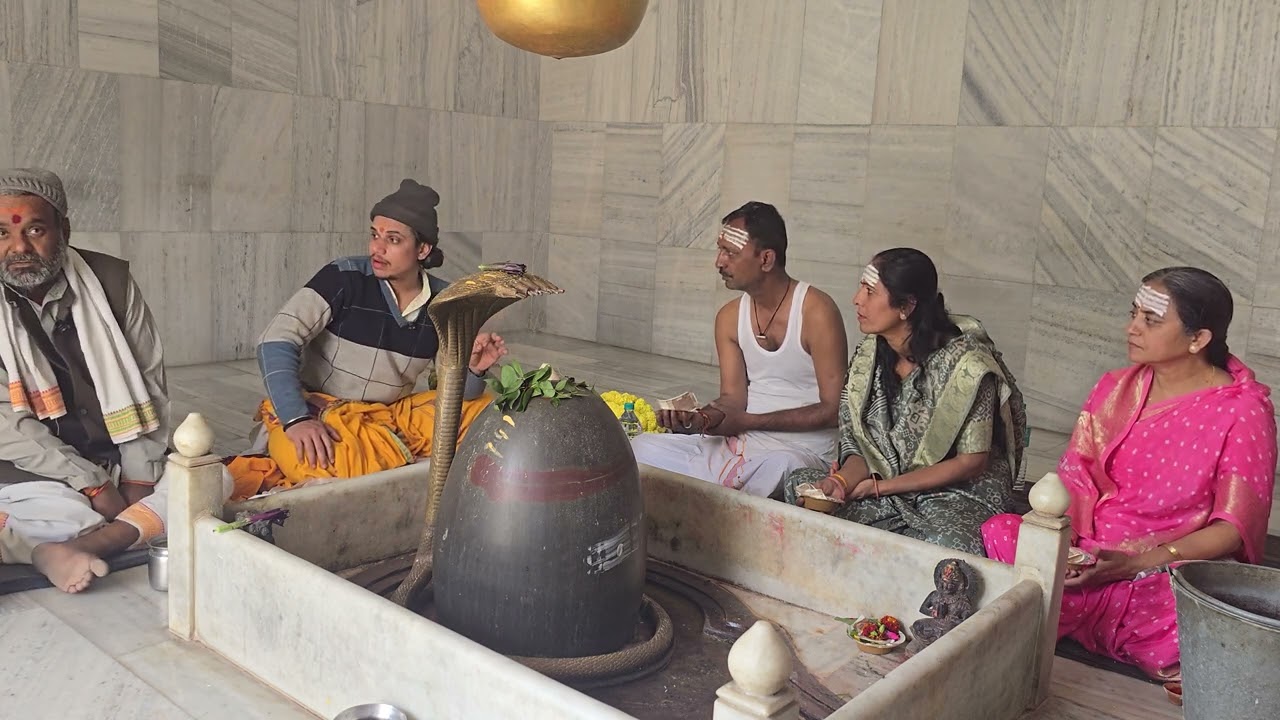
The sanctum houses the unique conical Shiva Lingam, representing Lord Shiva's divine form. The temple's enduring strength became especially evident during the devastating floods of 2013, when it survived while much of the surrounding area suffered severe damage.
Today, Kedarnath remains a symbol of faith, resilience, and divine protection.
Spiritual Importance and Divine Energy
Kedarnath is regarded as one of the most spiritually charged places in the world. The powerful vibrations of the Himalayas, combined with centuries of worship, create a deeply transformative experience for devotees.
Pilgrims visit the temple seeking liberation, peace of mind, forgiveness of sins, and divine blessings. Many undertake the challenging trek as an act of devotion and spiritual discipline.
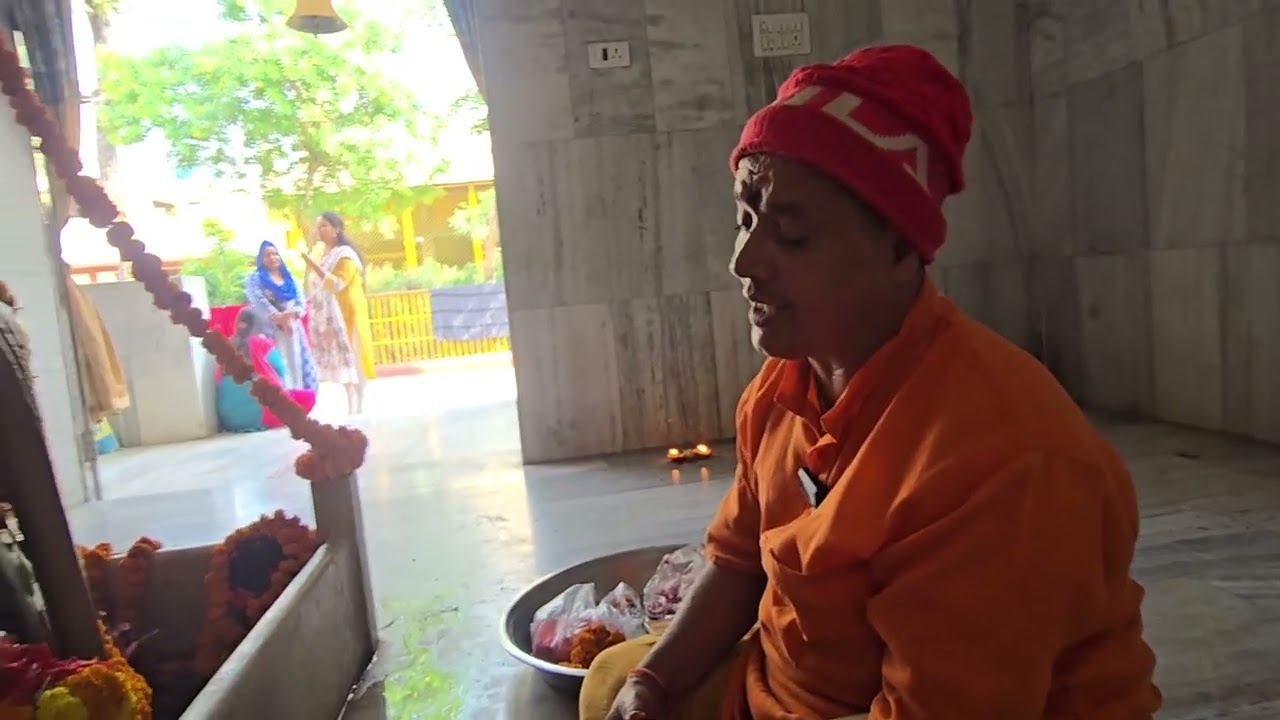
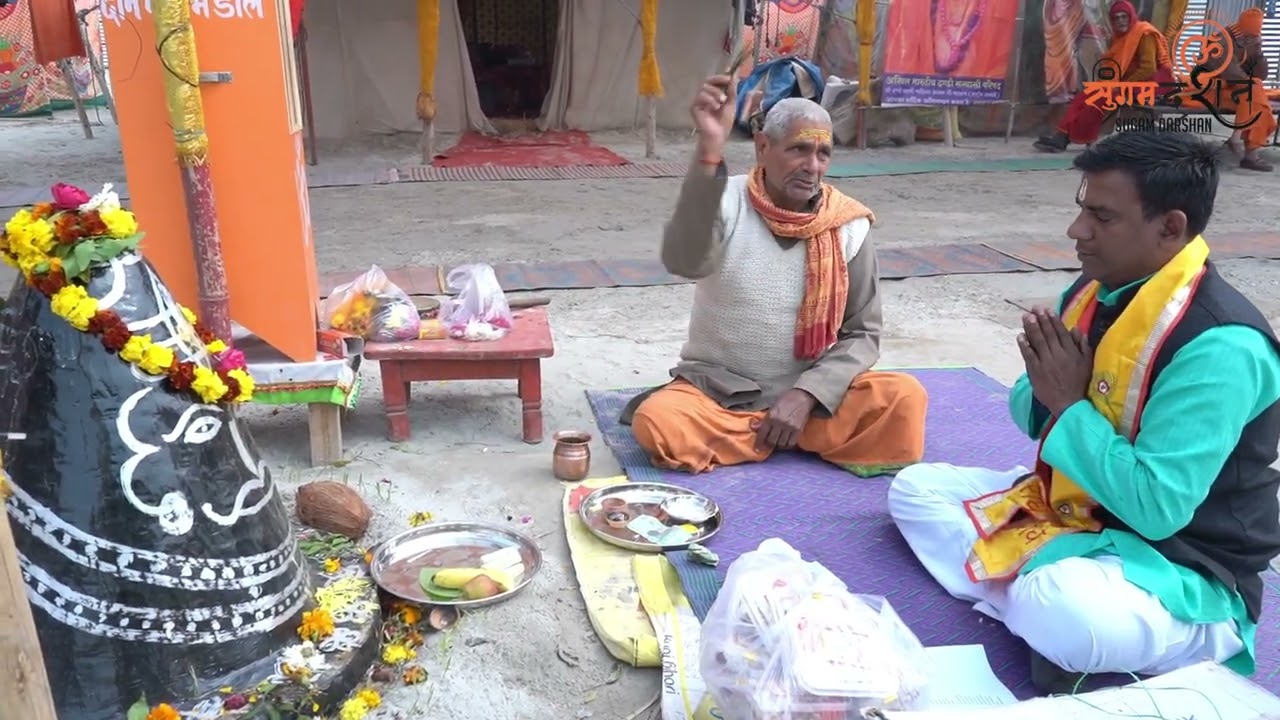
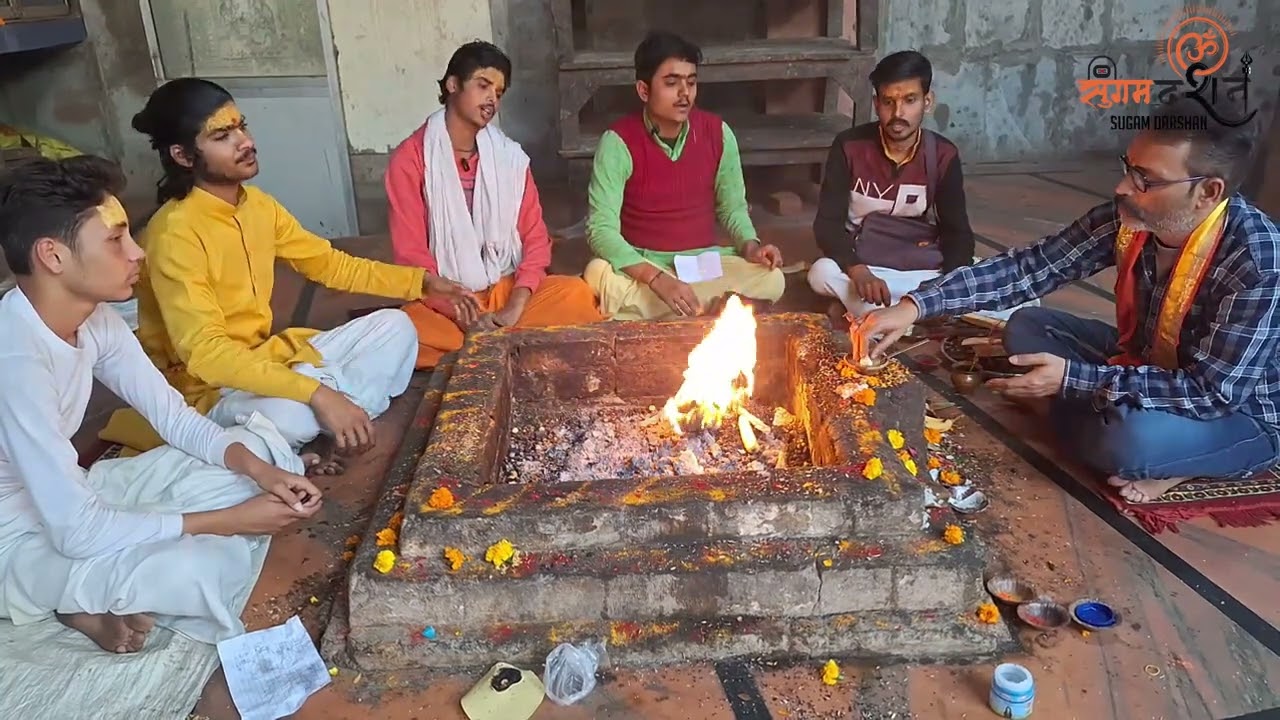
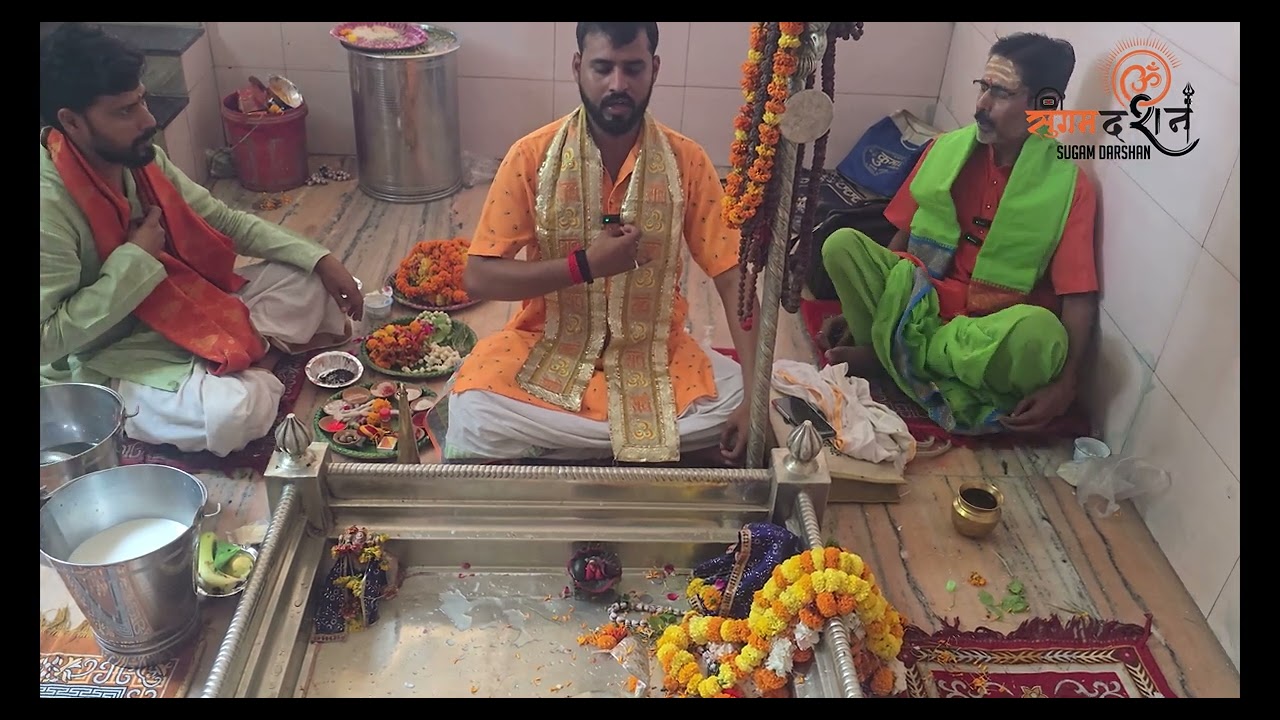
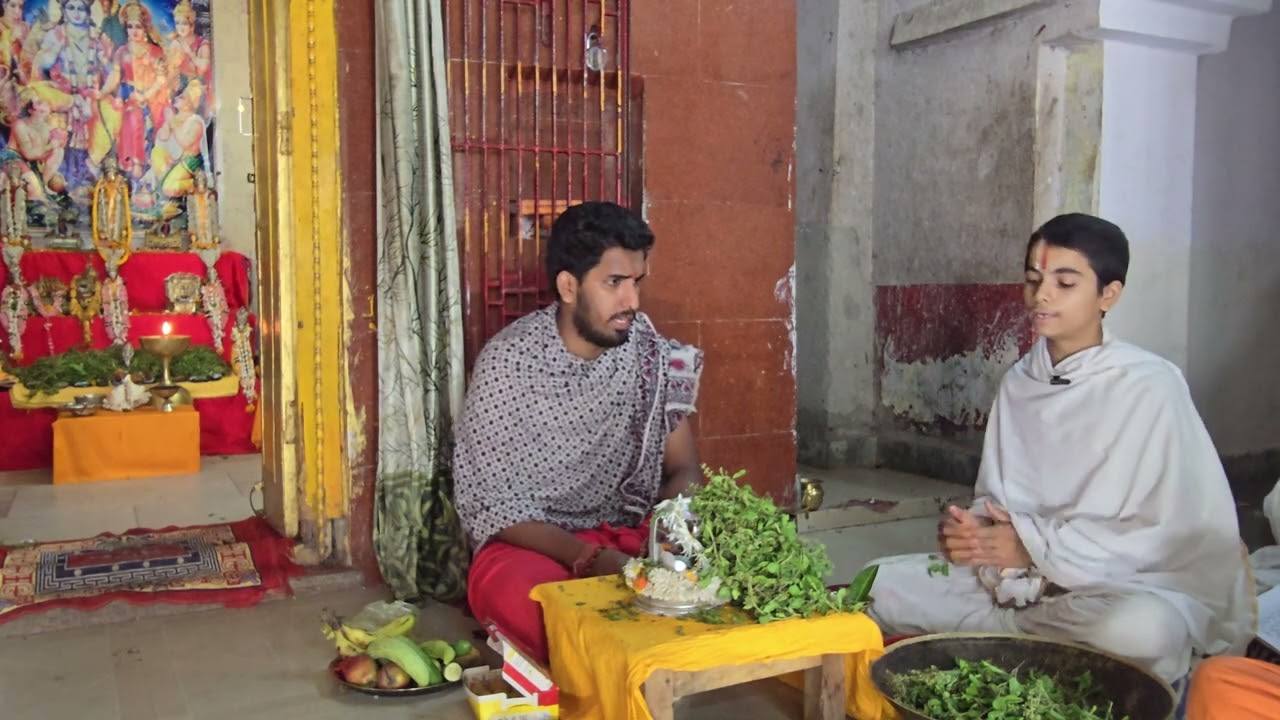
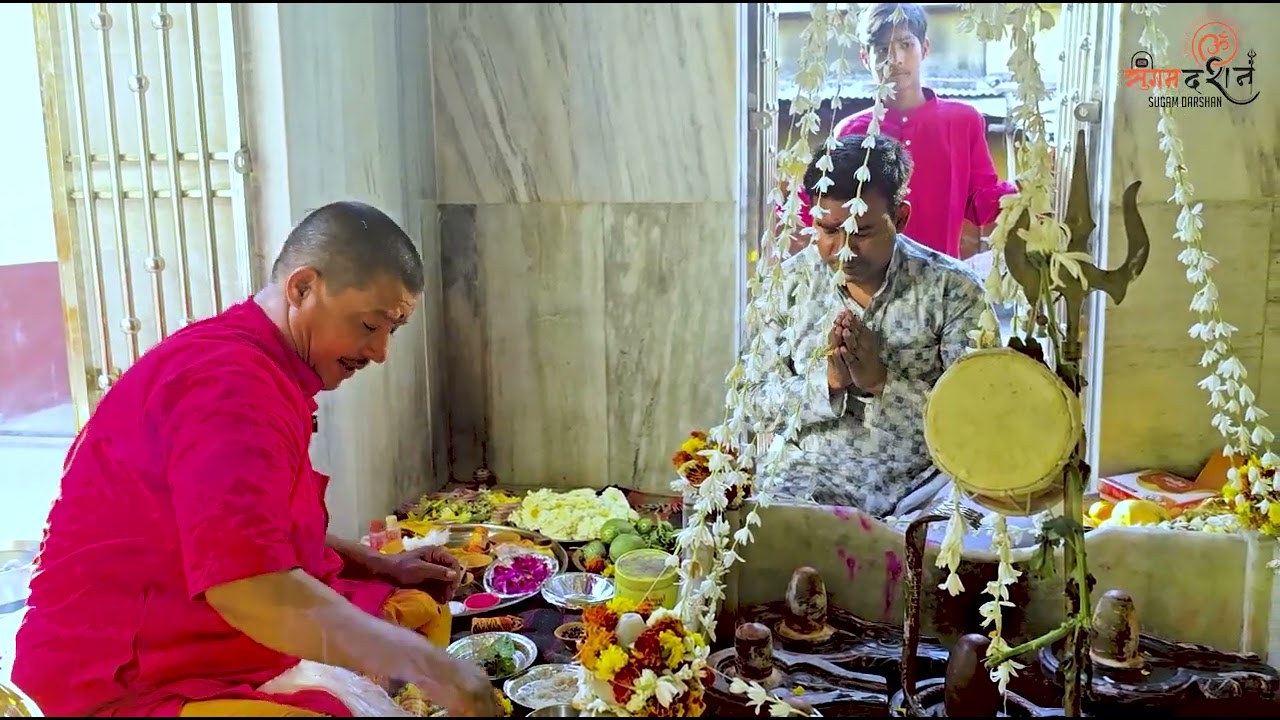
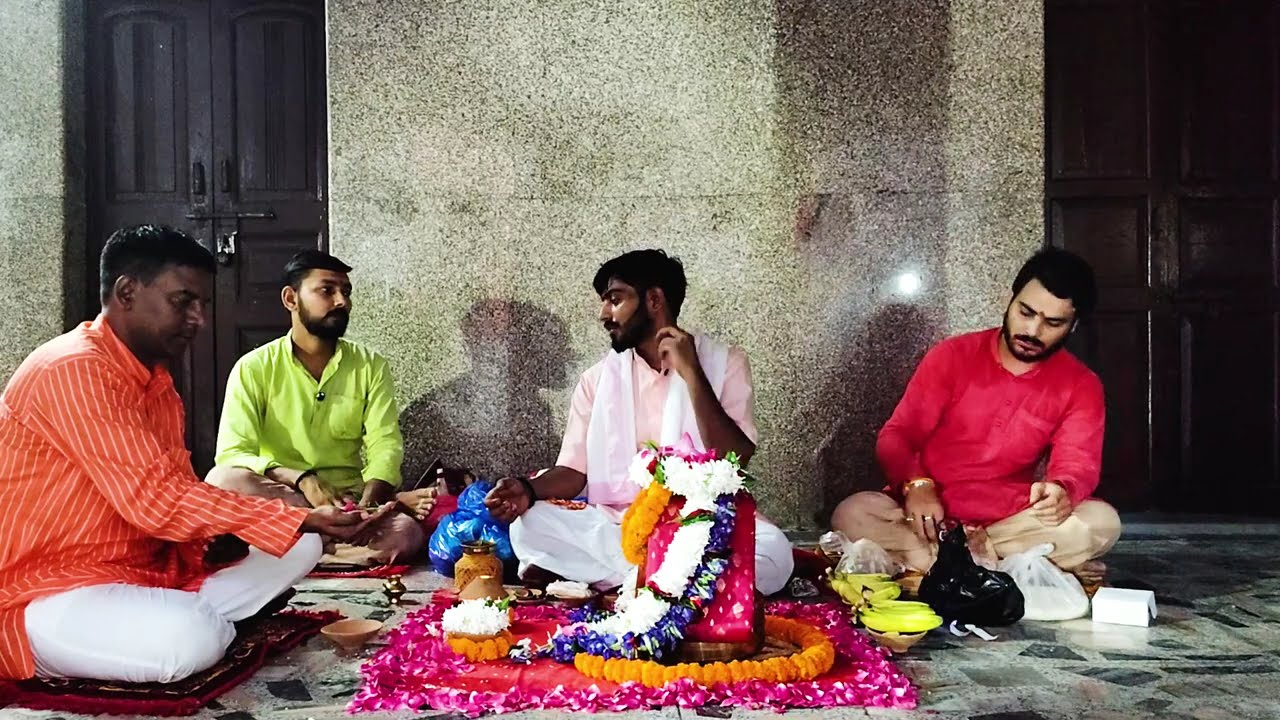
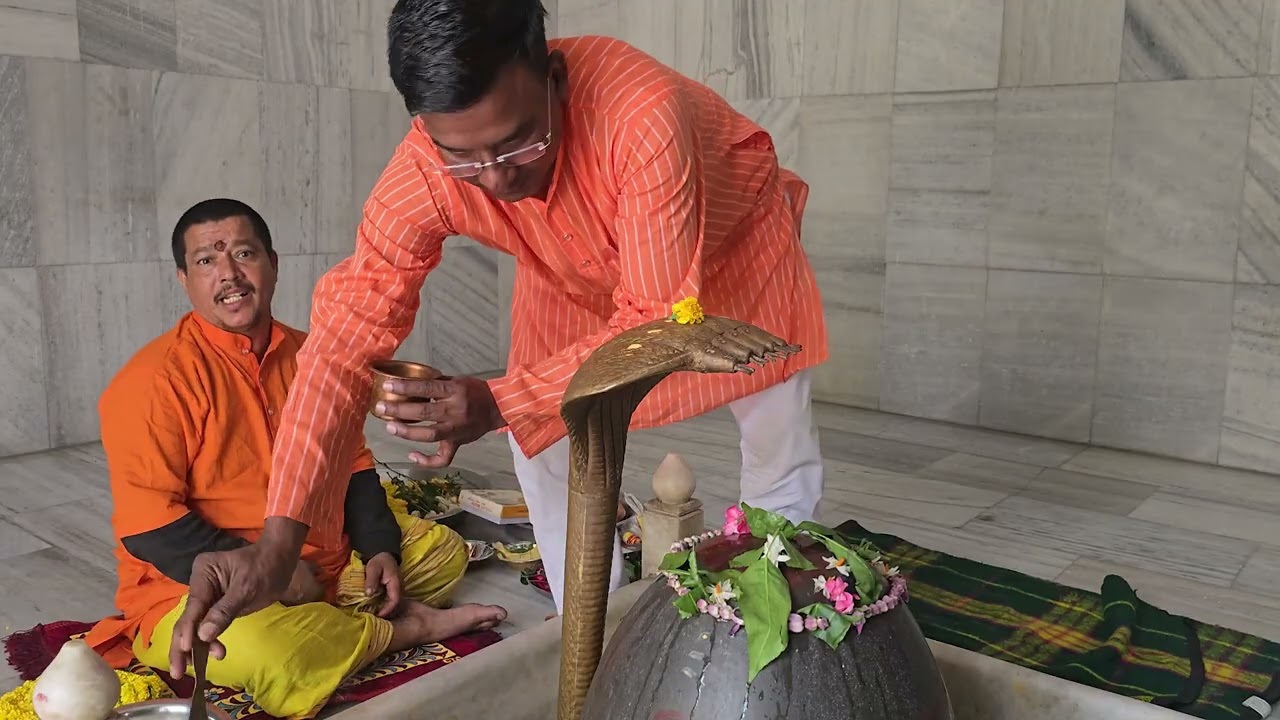
Special rituals such as Rudrabhishek, Maha Abhishek, Laghu Rudra, and Shiva Sahasranama Path are performed regularly. The sacred environment encourages meditation, introspection, and surrender to the Divine.
Devotees often describe a profound sense of peace and spiritual connection upon reaching the temple, making Kedarnath a cherished destination for seekers of truth and enlightenment.
Spiritual Importance and Divine Energy
Kedarnath is regarded as one of the most spiritually charged places in the world. The powerful vibrations of the Himalayas, combined with centuries of worship, create a deeply transformative experience for devotees.
Pilgrims visit the temple seeking liberation, peace of mind, forgiveness of sins, and divine blessings. Many undertake the challenging trek as an act of devotion and spiritual discipline.
Special rituals such as Rudrabhishek, Maha Abhishek, Laghu Rudra, and Shiva Sahasranama Path are performed regularly. The sacred environment encourages meditation, introspection, and surrender to the Divine.
Devotees often describe a profound sense of peace and spiritual connection upon reaching the temple, making Kedarnath a cherished destination for seekers of truth and enlightenment.
Festivals and Pilgrimage Importance
The opening and closing ceremonies of Kedarnath Temple are among the most significant religious events in India. Due to extreme winter conditions, the temple remains open only for part of the year, typically from April or May until October or November.
During the pilgrimage season, thousands of devotees participate in daily worship, aartis, and special rituals. Maha Shivaratri, Shravan month celebrations, and temple opening day festivities are observed with great devotion.
Kedarnath forms a vital part of the Char Dham pilgrimage alongside Badrinath Temple, Gangotri Temple, and Yamunotri Temple.
A pilgrimage to Kedarnath is considered a life-changing spiritual journey that strengthens faith and devotion.
Importance of The Temple
Sacred Significance and Divine Blessings
Sacred Jyotirlinga of Lord Shiva
One of the twelve Jyotirlingas where Lord Shiva manifests in his radiant divine form.
Gateway to Moksha
Devotees believe worship here helps attain spiritual liberation and divine blessings.
Pandava Heritage Temple
Closely associated with the Mahabharata and the devotion of the Pandavas.
Himalayan Spiritual Power Center
Surrounded by the sacred Himalayas, radiating immense spiritual energy.
Pujas Performed in The Temple
Sacred Rituals and Divine Ceremonies
Daily Rituals
Special Pujas
Popular Offerings
Darshan of Aarti Timings
Temple Opening Hours and Aarti Schedule
Temple Darshan Timings
Daily schedule for temple visits
Morning Darshan
Morning Darshan
Afternoon Closure
Afternoon Closure
Evening Darshan
Evening Darshan
How to Reach Temple
Plan Your Sacred Journey to the Temple
By Airplane
Nearest Airport: Nearest Airport: Jolly Grant Airport
Distance: Distance: Approx. 238 KM to Gaurikund
Travel Time: Travel Time: 8–10 Hours by road
By Train
Nearest Station: Nearest Railway Station: Rishikesh Railway Station
Distance: Distance: Approx. 216 KM to Gaurikund
Travel Time: Travel Time: 8–9 Hours
By Road
Bus Stand: Nearest Base Point: GaurikundTrek
Distance: Distance to Temple: Approx. 16 KM
Travel Time: Travel Time: 6–10 Hours Trek
Important Travel Information
Distance from Major Cities
New Delhi
450 KM 12–14 Hours
Mumbai
1,750 KM 30–34 Hours
Kolkata
1,650 KM 28–30 Hours
Lucknow
320 km



Got Questions? We've Got Answers
Everything you need to know about temple darshan and puja services
Experience Hindu Pujas & Sewa with Sugam Darshan