
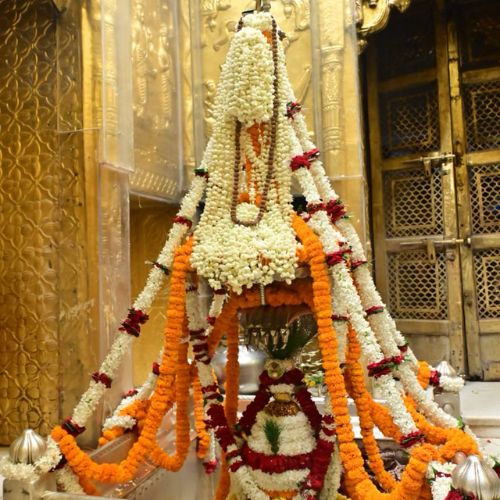
Kashi Vishwanath Temple
Sacred Kashi temple of Lord Shiva as Kaal Bhairav blessing devotees with protection, peace, and moksha grace.
Disclamer:
Stuti & Sloka
Salutations to Shiva as Kaal Bhairav.
Translation:
Salutations to Shiva as Kaal Bhairav.
Obeisance to peaceful Shiva.
Translation:
Obeisance to peaceful Shiva..
I bow to Mahakaal Bhairav.
Translation:
I bow to Mahakaal Bhairav.
Sacred Mantras
Main Temple Mantra
भैरव शंभो रक्ष मां सर्वदा॥
BeeJ Mantra
ॐ नमः शिवाय॥
Story of The Temple
Divine Tales and Sacred History
“जहाँ शिव कालभैरव रूप में विराजमान होते हैं, वहाँ भय, पाप और अज्ञान का नाश होकर आत्मा शिवत्व की ओर बढ़ती है।”
Divine Glory of Kashi Vishwanath Temple
Kashi Vishwanath Temple is one of the holiest Shiva temples in the world and among the twelve sacred Jyotirlingas mentioned in Hindu scriptures. Located on the banks of Maa Ganga in Varanasi, the temple is spiritually revered as the eternal abode of Lord Shiva. Millions of devotees visit this sacred shrine every year seeking moksha, divine blessings, spiritual peace, and liberation from worldly suffering.
According to ancient beliefs, Lord Shiva himself resides in Kashi and protects devotees from the cycle of birth and death. The spiritual atmosphere around the temple fills devotees with devotion, inner peace, and divine energy. Chanting of “Har Har Mahadev” echoes throughout the sacred lanes of Kashi creating a deeply emotional spiritual experience.
The temple is not only a pilgrimage site but also a symbol of Sanatan Dharma’s eternal spiritual wisdom and cultural heritage preserved for thousands of years..
Mythological Origin of Lord Kaal Bhairav
Ancient scriptures including the Skanda Purana and Shiva Purana describe Kashi as the most sacred city created by Lord Shiva himself. It is believed that Lord Shiva manifested here as Vishwanath, the “Lord of the Universe,” to bless humanity with spiritual liberation.
According to legend, Kashi remains untouched even during cosmic destruction because it rests upon the trident of Lord Shiva. Devotees believe that dying in Kashi and hearing the Tarak Mantra from Lord Shiva grants moksha to the soul. This divine belief makes Kashi Vishwanath one of the most spiritually significant pilgrimage destinations in Hinduism.
The Jyotirlinga at the temple represents Shiva as an infinite cosmic pillar of divine light. Worshipping the Jyotirlinga is believed to purify karma, remove sins, and awaken higher spiritual consciousness. Saints, sages, yogis, and spiritual seekers have meditated in Kashi for centuries seeking divine realization and liberation through Lord Vishwanath’s blessings.
Historical and Architectural Importance
The history of Kashi Vishwanath Temple spans thousands of years and reflects the resilience of Sanatan Dharma. The temple has undergone several reconstructions throughout history due to invasions and destruction. The present structure was rebuilt by Maharani Ahilyabai Holkar of Indore in 1780 and remains one of India’s most revered temples.
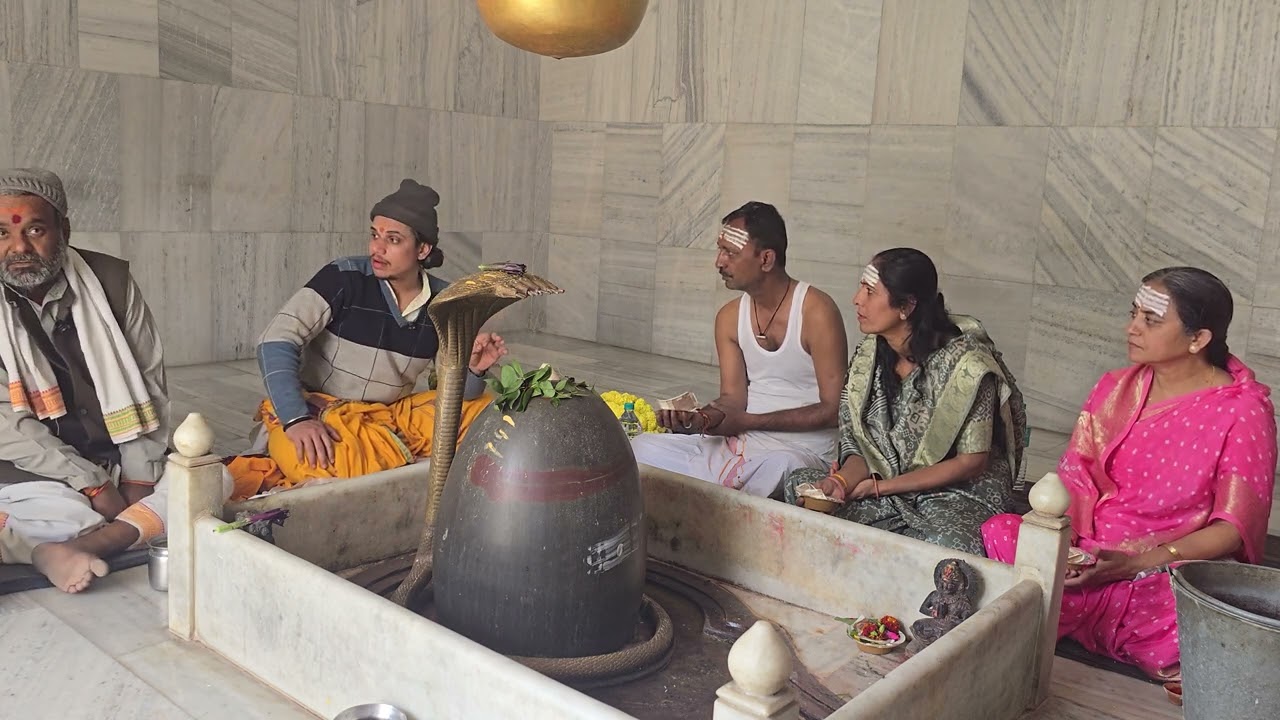
The temple architecture beautifully combines spiritual symbolism and traditional North Indian temple design. The golden spire and domes of the temple are among its most iconic features and symbolize divine radiance. The sanctum houses the sacred Jyotirlinga worshipped daily with Vedic rituals, Rudrabhishek, flowers, Bilva Patra, and holy Ganga water.
The narrow sacred lanes surrounding the temple preserve the ancient spiritual charm of Kashi. Devotees experience deep devotion while walking through these divine streets filled with chants, temple bells, incense fragrance, and spiritual energy that has existed for centuries.
Spiritual Energy and Religious Importance
Kashi Vishwanath Temple is considered the spiritual heart of Varanasi and one of the most powerful centers of Shiva worship in the world. Devotees believe that worshipping Lord Vishwanath destroys negative karma and guides the soul toward liberation. The temple radiates extraordinary spiritual vibrations that inspire devotion and inner awakening.
The sacred presence of Maa Ganga near the temple further enhances its spiritual significance. Pilgrims often perform Ganga Snan before seeking darshan of Lord Vishwanath. The temple is deeply associated with Shaiva traditions, Vedic rituals, meditation, yoga, and spiritual learning.
Many devotees report experiencing immense peace and divine connection after offering prayers at the temple. It is believed that Lord Shiva personally blesses every devotee who visits Kashi with sincerity and devotion. Spiritual seekers from around the world come to Kashi Vishwanath seeking wisdom, divine grace, and liberation from worldly attachments.
Festivals and Pilgrimage Importance
Kashi Vishwanath Temple becomes exceptionally vibrant during Mahashivratri, Shravan Maas, Dev Deepawali, and other major Hindu festivals. Thousands of devotees participate in special Rudrabhishek rituals, Shiv Aartis, and spiritual celebrations conducted with great devotion.
Daily temple rituals begin early morning with Mangala Aarti followed by Bhog rituals, sacred chanting, and evening Ganga Aarti nearby at Dashashwamedh Ghat. The spiritual atmosphere during these ceremonies is deeply emotional and transformative.
The temple is one of the most important pilgrimage destinations in India and forms a vital part of the Char Dham and Jyotirlinga yatras. Pilgrims believe that visiting Kashi Vishwanath helps attain spiritual merit, peace, and ultimate liberation. The temple continues to remain a timeless symbol of devotion, faith, and the eternal spiritual heritage of Sanatan Dharma.
Importance of The Temple
Sacred Significance and Divine Blessings
Divine Guardian of Kashi
Lord Shiva as Kaal Bhairav protects Kashi and all devotees visiting the holy city.
Destroyer of Fear
Worship of Bhairav removes fear, negativity, and hidden obstacles from life.
Sacred Path to Liberation
Devotees believe Bhairav blessings guide the soul toward moksha and divine peace.
Ancient Shaiva Power Center
The temple preserves sacred Shiva traditions and ancient Bhairav worship rituals.
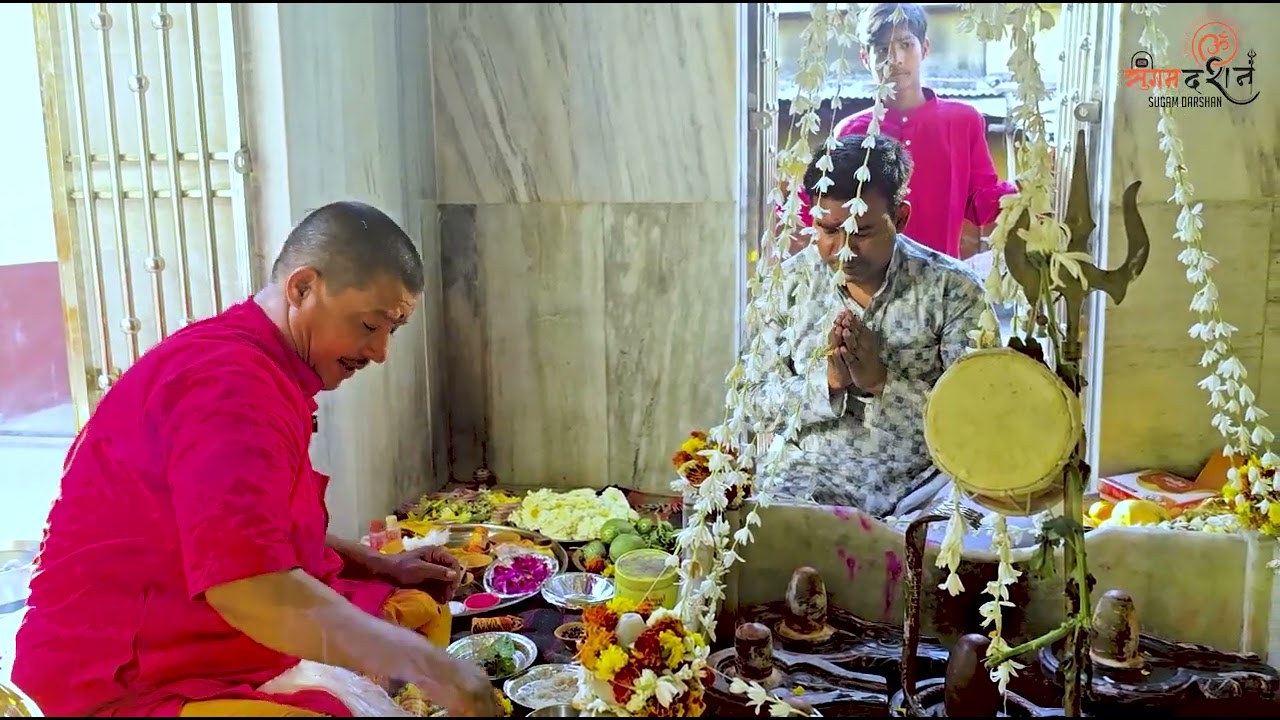
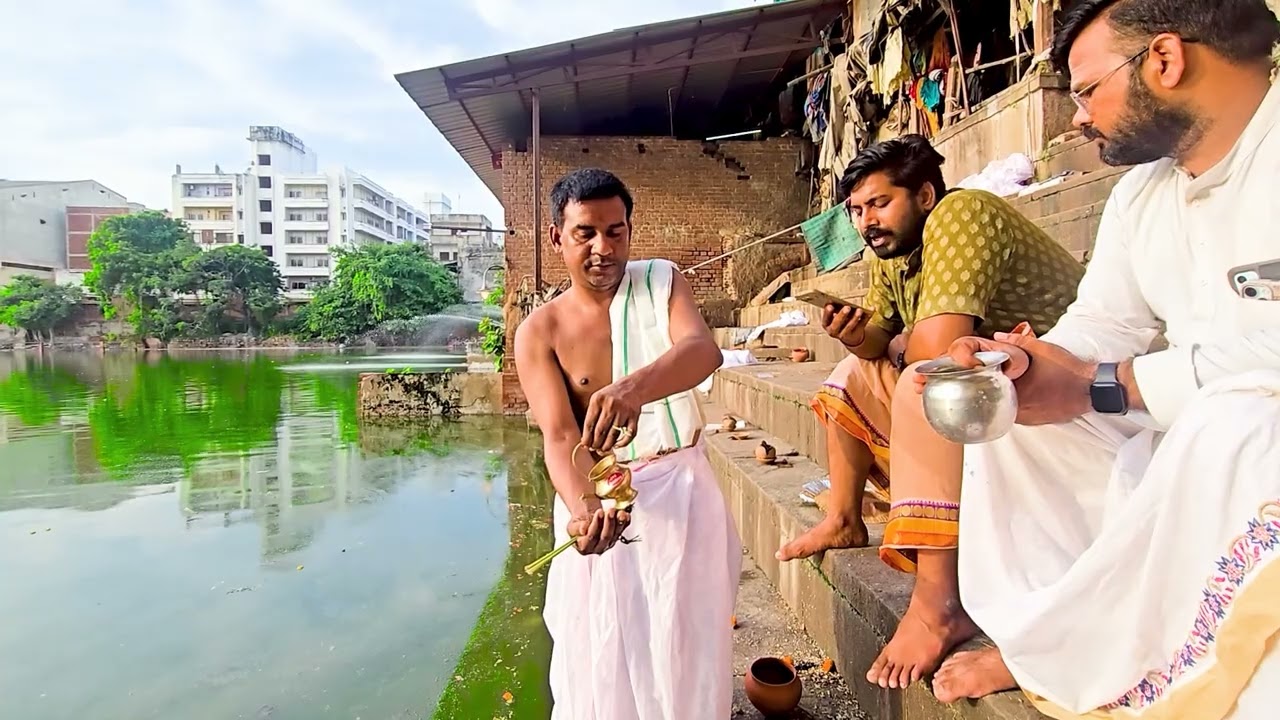
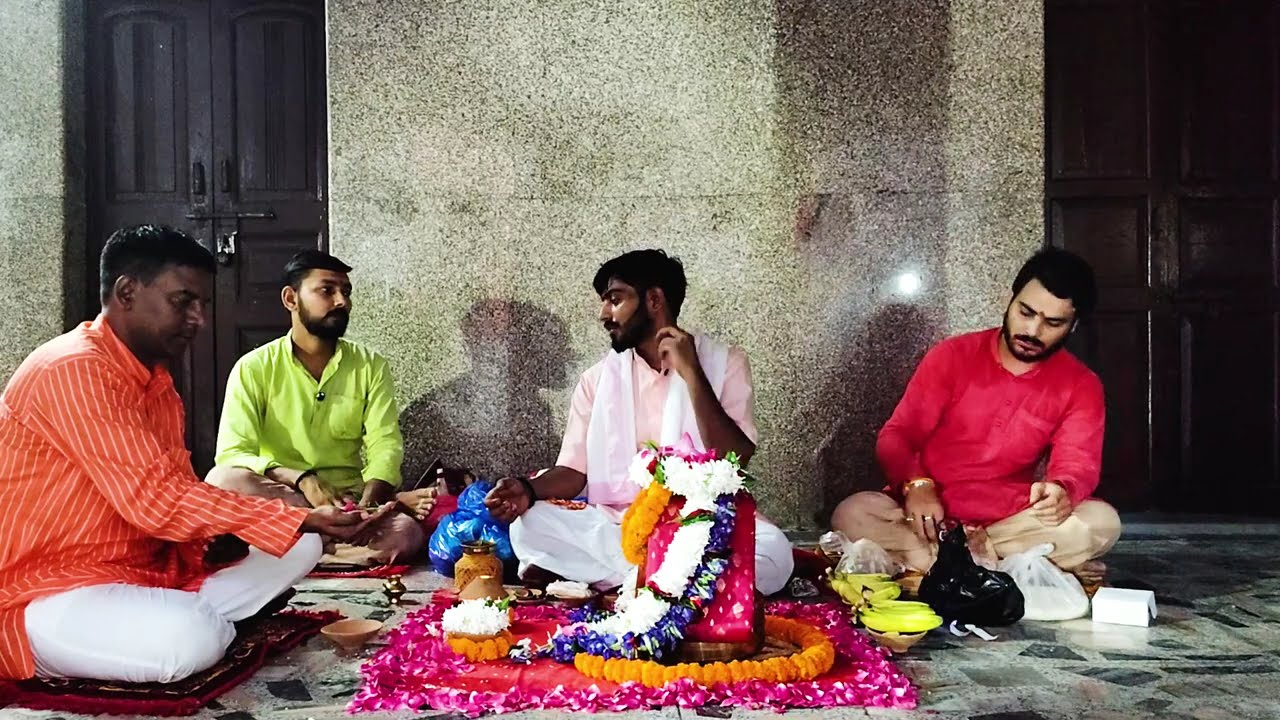
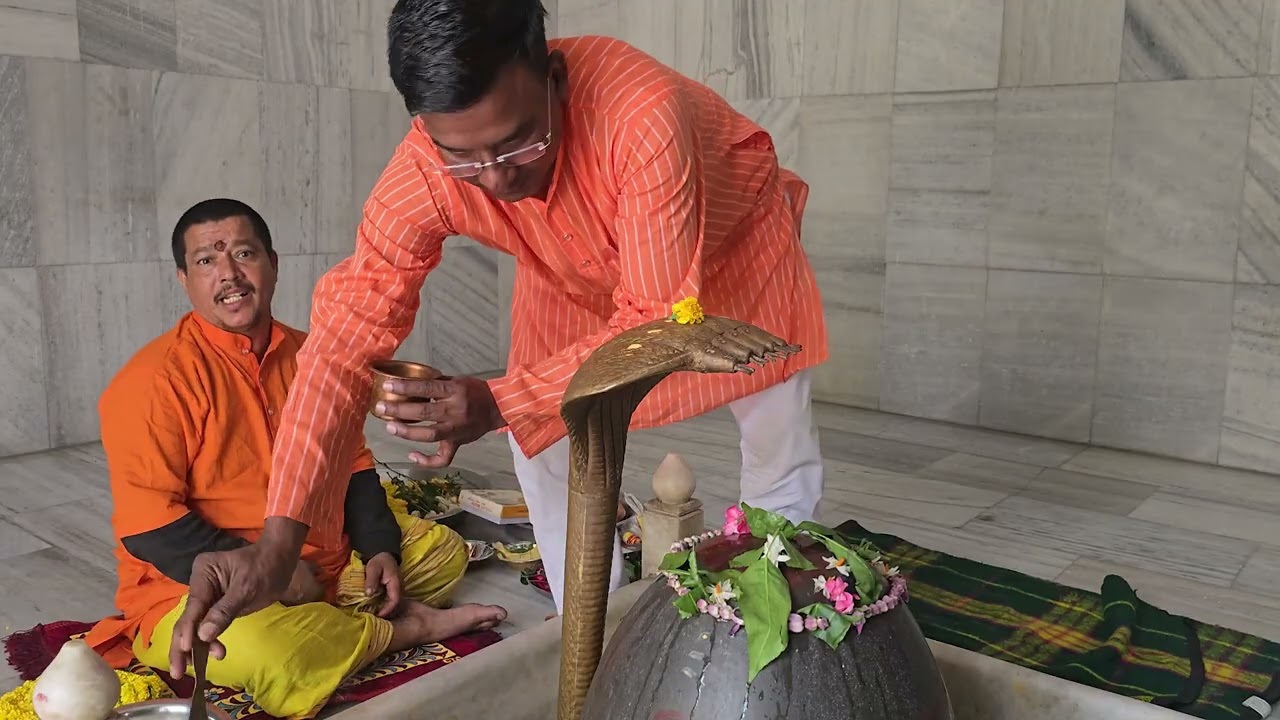
Pujas Performed in The Temple
Sacred Rituals and Divine Ceremonies
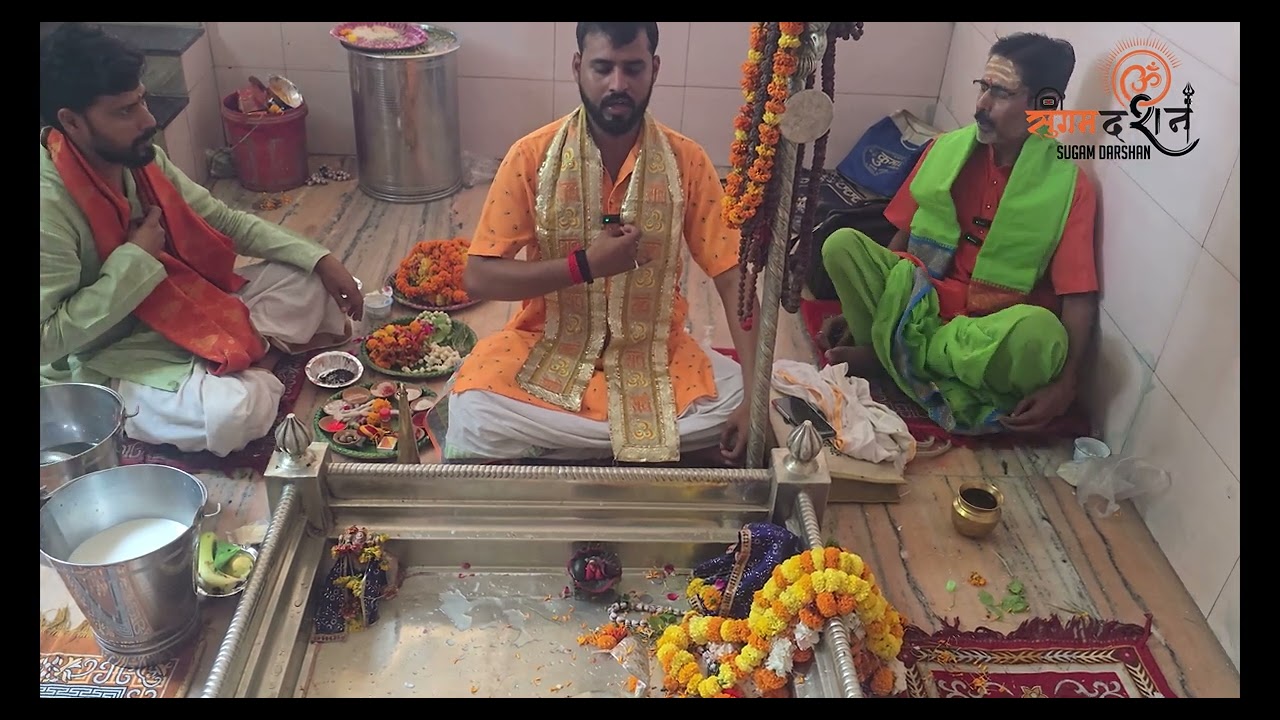
Daily Rituals
Special Pujas
Popular Offerings
Darshan of Aarti Timings
Temple Opening Hours and Aarti Schedule
Temple Darshan Timings
Daily schedule for temple visits
Temple Opening
Temple Opening
Mangala Aarti
Mangala Aarti
Abhishek Puja
Abhishek Puja
Bhog Offering
Bhog Offering
How to Reach Temple
Plan Your Sacred Journey to the Temple
By Airplane
Nearest Airport: Nearest Airport: Lal Bahadur Shastri International
Distance: Distance: Approx 26 KM
Travel Time: Travel Time: 50–60 Minutes
By Train
Nearest Station: Nearest Railway Station: Varanasi Junction
Distance: Distance: Approx 4 KM
Travel Time: Travel Time: 20 Minutes
By Road
Bus Stand: Nearest Bus Stand: Varanasi Bus Stand
Distance: Distance: Approx 3 KM
Travel Time: Travel Time: 15 Minutes
Important Travel Information
Distance from Major Cities
New Delhi
820 KM 12–14 Hours
Mumbai
1500 KM 24–26 Hours
Kolkata
680 KM 11–12 Hours
Lucknow
320 km

Got Questions? We've Got Answers
Everything you need to know about temple darshan and puja services
Experience Hindu Pujas & Sewa with Sugam Darshan