Harsiddhi Temple
Ancient Shakti Peeth of Maa Harsiddhi in Ujjain, blessing devotees with strength, prosperity, protection, and divine grace.
Disclamer:
Stuti & Sloka
या देवी सर्वभूतेषु शक्तिरूपेण संस्थिता। नमस्तस्यै नमस्तस्यै नमस्तस्यै नमो नमः॥
Translation:
Salutations to the Divine Mother present as cosmic power.
सर्वमङ्गलमाङ्गल्ये शिवे सर्वार्थसाधिके॥
Translation:
The Goddess grants all auspicious blessings..
ॐ ह्रीं हर्सिद्ध्यै नमः॥
Translation:
Salutations to Maa Harsiddhi.
Sacred Mantras
Sanskrit Mantra
ॐ ह्रीं हर्सिद्ध्यै नमः॥
Maa Harsiddhi Beej Mantra
ॐ ऐं ह्रीं क्लीं हर्सिद्ध्यै नमः॥
Story of The Temple
Divine Tales and Sacred History
"देवी शक्ति की आराधना से भय दूर होता है, धर्म की रक्षा होती है और जीवन में सिद्धि एवं समृद्धि प्राप्त होती है।"
Divine Glory of Harsiddhi Temple
Harsiddhi Temple is one of the most revered Shakti temples in India and a major spiritual landmark of Ujjain, Madhya Pradesh. Dedicated to Maa Harsiddhi, an incarnation of Adi Shakti, the temple holds immense significance among devotees of the Divine Mother.
Located near the sacred Mahakaleshwar Jyotirlinga, the temple is visited by millions of pilgrims every year. Maa Harsiddhi is worshipped as the Goddess who grants success, fulfills wishes, and protects devotees from adversity.
The temple's powerful spiritual vibrations, ancient traditions, and devotional atmosphere make it one of the most important centers of Shakti worship in India. Devotees believe that sincere prayers offered here bring prosperity, courage, and divine blessings.
The temple continues to inspire faith and devotion among pilgrims from across the world..
Mythological Origin and Shakti Peeth Significance
According to ancient Hindu traditions, Harsiddhi Temple is revered as one of the sacred Shakti Peeths. It is believed that the elbow of Goddess Sati fell at this sacred site after Lord Shiva wandered across the universe carrying her divine body.
Another legend states that Lord Shiva invoked the Divine Mother to destroy powerful demons who threatened cosmic order. Pleased by her victory, Lord Shiva bestowed the name "Harsiddhi," meaning the Goddess who grants joy, success, and fulfillment.
The temple has been a major center of Shakti worship for centuries. Devotees worship Maa Harsiddhi for protection, spiritual growth, courage, and removal of obstacles.
These sacred legends have made the temple one of the most important pilgrimage destinations in the Hindu tradition.
Historical and Architectural Importance
The history of Harsiddhi Temple is closely associated with the ancient city of Ujjain, one of India's seven sacred Moksha Puris. Historical records suggest that the temple received patronage from several dynasties, including the Paramaras and Marathas.
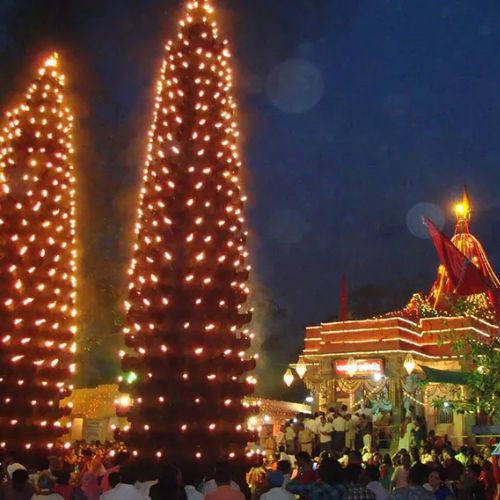
The temple's architecture reflects traditional Shakti temple design with a majestic sanctum dedicated to Maa Harsiddhi. One of the most distinctive features of the temple is its two towering Deep Stambhas (lamp pillars), which are illuminated during major festivals.
The temple complex houses shrines dedicated to various forms of the Divine Mother and associated deities. The vibrant colors, sacred symbols, and spiritual ambiance create a deeply devotional environment.
Its historical importance and architectural beauty attract devotees, historians, and tourists alike.
Spiritual Energy and Religious Importance
Harsiddhi Temple is considered a powerful center of divine feminine energy. Devotees believe that worshipping Maa Harsiddhi brings courage, wisdom, prosperity, and protection from negative influences.
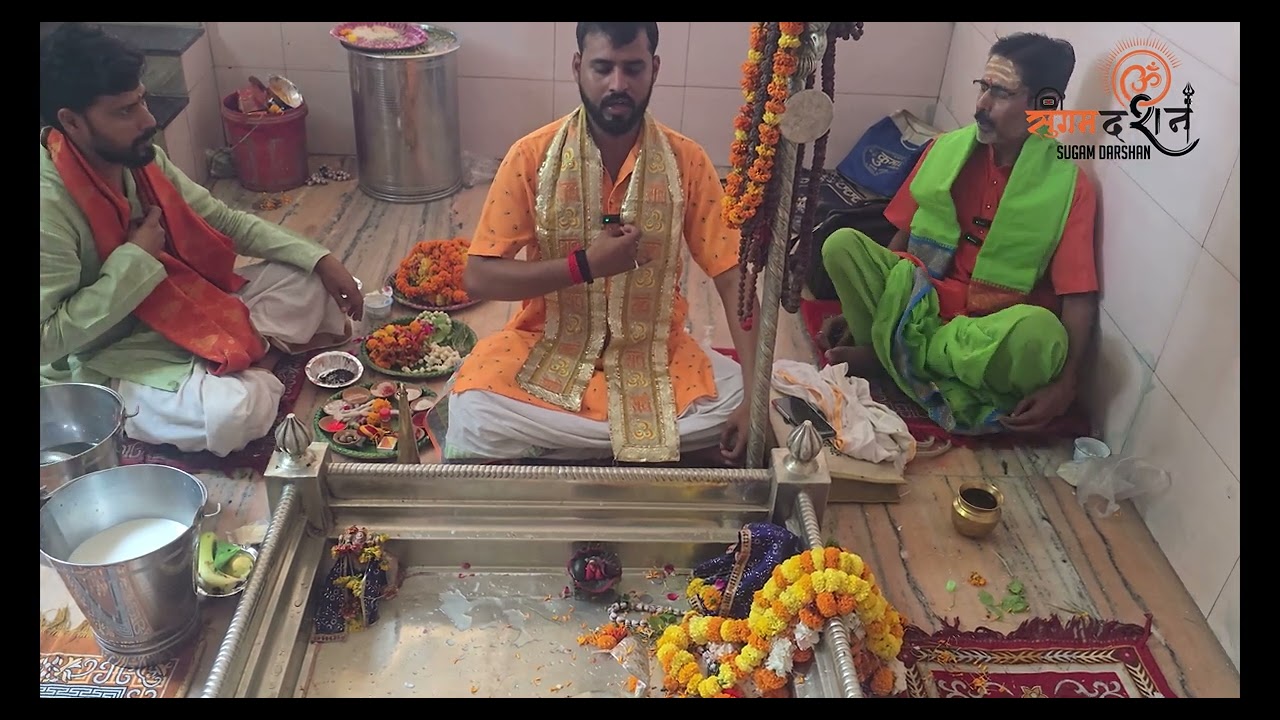
The temple is especially visited by devotees seeking success in education, business, family life, and spiritual pursuits. Special prayers, mantra chanting, and Devi Archana are performed daily to invoke the Goddess's blessings.
The spiritually charged atmosphere created by sacred rituals, devotional songs, and continuous worship inspires inner peace and faith. Many devotees experience a deep sense of strength and positivity after visiting the temple.
Maa Harsiddhi is worshipped as the compassionate Divine Mother who guides her devotees toward success and spiritual fulfillment.
Festivals and Pilgrimage Importance
Navratri is the most important festival celebrated at Harsiddhi Temple. During both Chaitra and Sharadiya Navratri, the temple is beautifully decorated and attracts thousands of devotees every day.
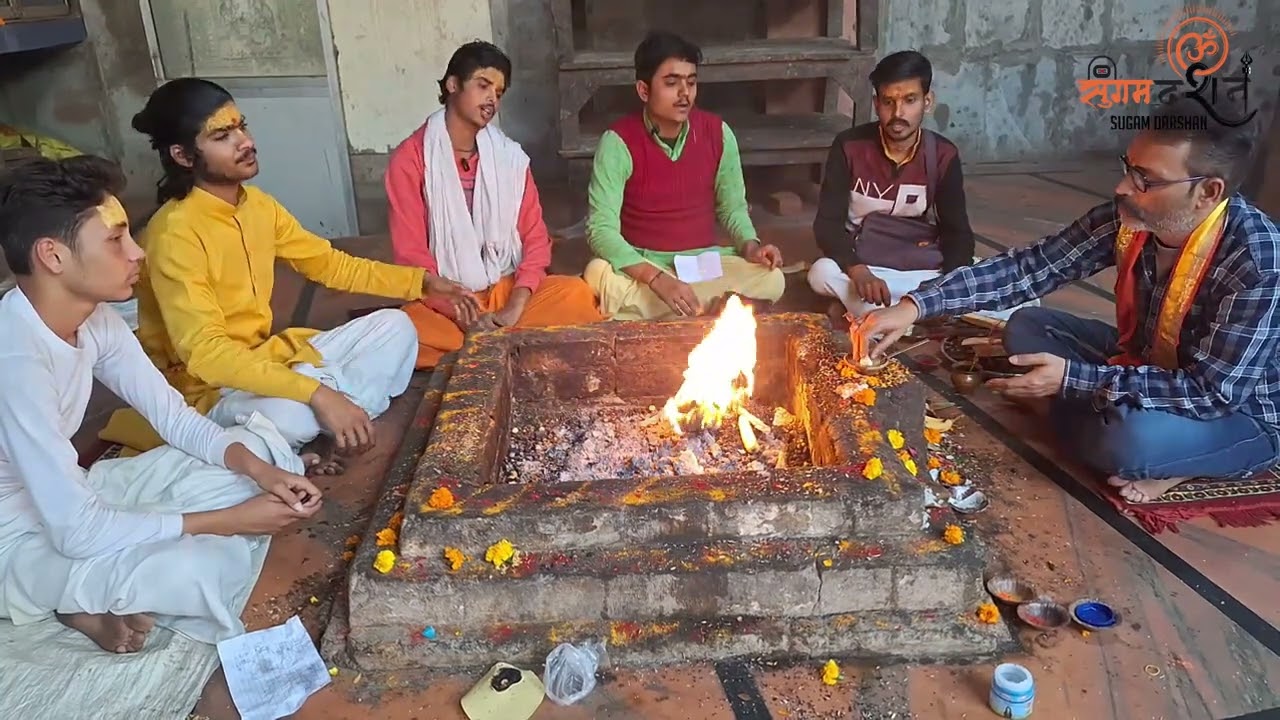
A special attraction during Navratri is the illumination of the magnificent Deep Stambhas with hundreds of oil lamps, creating a breathtaking spiritual spectacle. The temple becomes a center of devotional singing, special pujas, havans, and cultural celebrations.
Pilgrims visiting Ujjain often include Harsiddhi Temple along with Mahakaleshwar Jyotirlinga and other sacred shrines in their pilgrimage itinerary.
The temple remains a symbol of devotion, divine power, and the eternal blessings of Adi Shakti.
Importance of The Temple
Sacred Significance and Divine Blessings
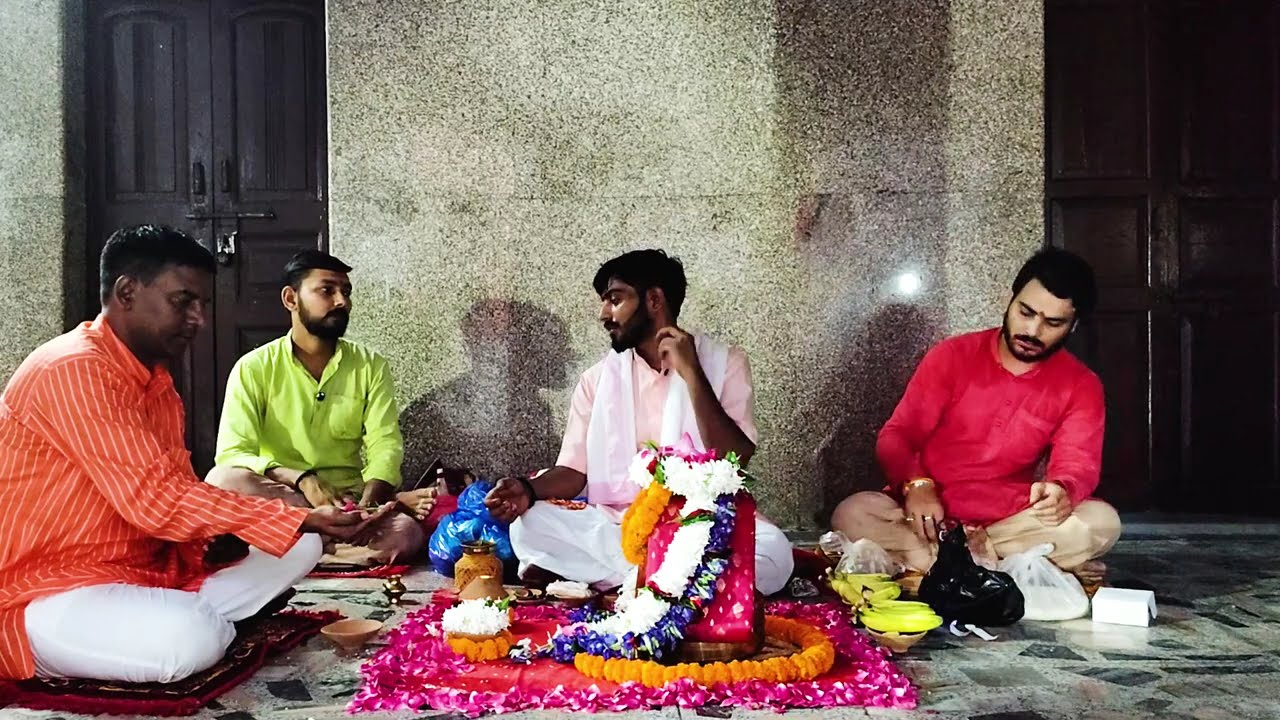
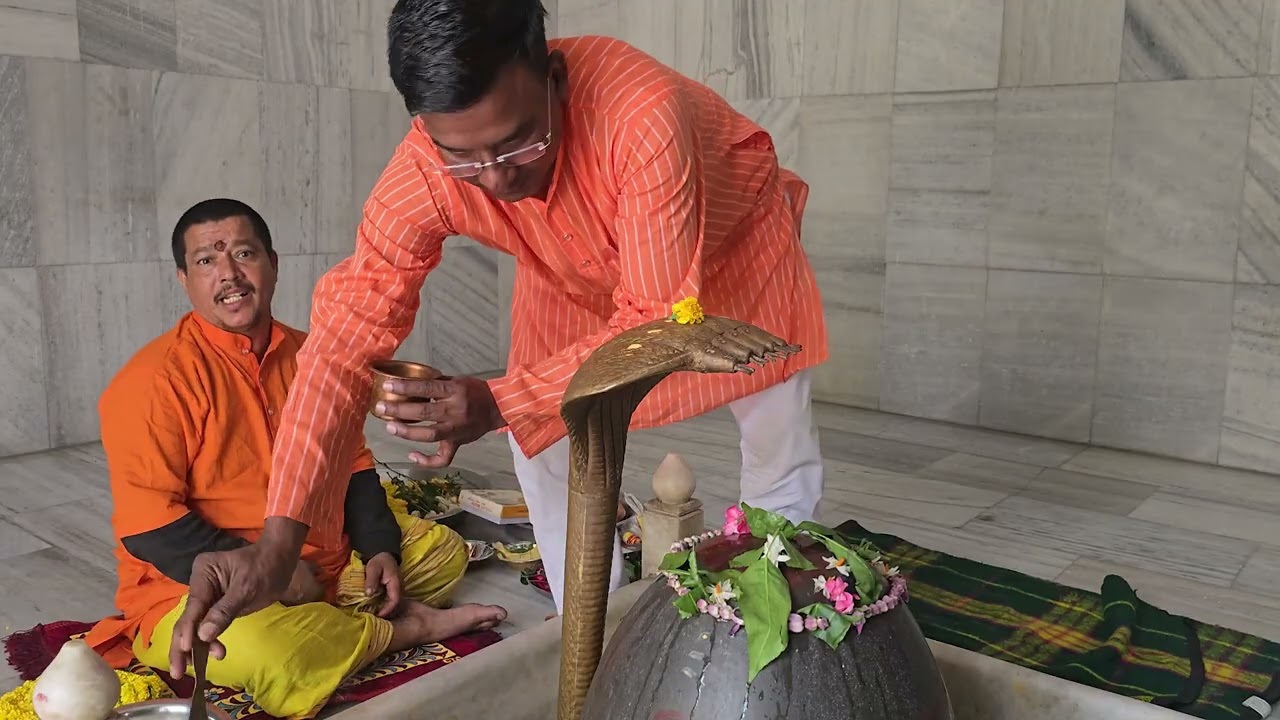
Pujas Performed in The Temple
Sacred Rituals and Divine Ceremonies
Daily Rituals
Special Pujas
Popular Offerings
Darshan of Aarti Timings
Temple Opening Hours and Aarti Schedule
Temple Darshan Timings
Daily schedule for temple visits
Morning Darshan
Morning Darshan
Afternoon Darshan
Afternoon Darshan
Evening Darshan
Evening Darshan
How to Reach Temple
Plan Your Sacred Journey to the Temple
By Airplane
Nearest Airport: Nearest Airport: Devi Ahilya Bai Holkar Airport
Distance: Distance: Approx. 55 KM
Travel Time: Travel Time: 1.5 Hours
By Train
Nearest Station: Nearest Railway Station: Ujjain Junction Railway S
Distance: Distance: Approx. 2 KM
Travel Time: Travel Time: 10 Minutes
By Road
Bus Stand: Nearest Bus Stand: Ujjain Bus Stand
Distance: Distance: Approx. 2 KM
Travel Time: Travel Time: 10 Minutes
Important Travel Information
Distance from Major Cities
New Delhi
775 KM 12–14 Hours
Mumbai
660 KM 10–12 Hours
Kolkata
1,450 KM 24–26 Hours
Lucknow
320 km
Got Questions? We've Got Answers
Everything you need to know about temple darshan and puja services
Experience Hindu Pujas & Sewa with Sugam Darshan