
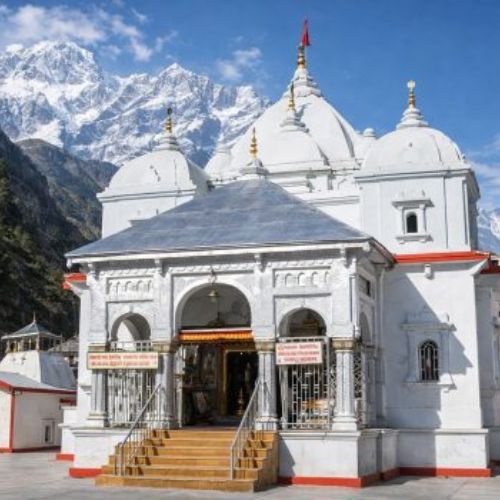
Gangotri Temple Uttarakhand,
Divine Gangotri Temple, the sacred abode of Maa Ganga, where devotees receive purity, peace, spiritual blessings, and liberation.
Disclamer:
Stuti & Sloka
देवि सुरेश्वरि भगवति गङ्गे त्रिभुवनतारिणि तरलतरङ्गे॥
Translation:
Maa Ganga liberates beings across all worlds.
नमामि गङ्गे तव पादपङ्कजम्॥
Translation:
I bow to the sacred feet of Maa Ganga..
ॐ श्री गङ्गायै नमः॥
Translation:
Salutations to the holy Goddess Ganga.
Sacred Mantras
Sanskrit Mantra
ॐ श्री गङ्गायै नमः॥
Ganga Devi Mantra
ॐ ह्रीं श्रीं गङ्गायै नमः॥
Story of The Temple
Divine Tales and Sacred History
"गंगा का स्मरण, दर्शन और स्नान मनुष्य को पापों से मुक्त कर धर्म, पुण्य और मोक्ष की ओर अग्रसर करता है।"
Divine Glory of Gangotri Temple
Gangotri Temple is one of the holiest shrines in Hinduism and is dedicated to Maa Ganga, the divine river goddess. Located in the majestic Himalayas of Uttarakhand at an altitude of approximately 3,100 meters, the temple marks the sacred origin of the River Ganga's earthly journey.
Nestled amidst snow-clad peaks and serene natural surroundings, Gangotri Temple attracts thousands of pilgrims every year. The temple is an integral part of the sacred Char Dham Yatra and holds immense religious significance for devotees across India.
Pilgrims visit the temple seeking spiritual purification, inner peace, and divine blessings. The sacred atmosphere, combined with the flowing waters of the Bhagirathi River, creates a profoundly uplifting spiritual experience.
Gangotri remains a symbol of purity, devotion, and divine grace in Sanatan Dharma..
Mythological Origin of Maa Ganga
According to Hindu mythology, King Bhagiratha performed intense penance to bring the celestial River Ganga from heaven to Earth for the salvation of his ancestors. Pleased with his devotion, Goddess Ganga agreed to descend.
However, the force of her descent was so immense that Lord Shiva received her in his matted locks to prevent destruction on Earth. From there, Ganga flowed gently across the Himalayas and eventually reached the plains.
The place where Maa Ganga first descended is closely associated with Gangotri. The Bhagirathi River flowing near the temple symbolizes this sacred event.
This legendary story represents devotion, perseverance, divine compassion, and spiritual redemption, making Gangotri one of Hinduism's most revered pilgrimage destinations.
Historical Background and Temple Architecture
The present Gangotri Temple was built during the early nineteenth century by Amar Singh Thapa. Constructed using white granite, the temple stands elegantly against the backdrop of the Himalayan mountains.
Its simple yet beautiful architecture reflects the purity and sacredness associated with Maa Ganga. The sanctum houses the idol of Goddess Ganga, worshipped with great devotion by pilgrims and priests.
The temple complex also includes shrines dedicated to various deities associated with the sacred river and Himalayan traditions. Despite harsh weather conditions and heavy snowfall during winter, the temple continues to attract devotees from around the world.
The architectural simplicity enhances the temple's spiritual charm and timeless appeal.
Spiritual Importance and Religious Significance
Gangotri Temple is regarded as one of the most spiritually powerful destinations in Hinduism. Devotees believe that darshan of Maa Ganga and bathing in her sacred waters help cleanse sins accumulated over many lifetimes.
The temple serves as a center for prayer, meditation, and spiritual reflection. Pilgrims often perform rituals for ancestors, seeking blessings, peace, and liberation for departed souls.
Daily aartis, Vedic chanting, and sacred offerings create an atmosphere filled with devotion and divine energy. The sound of flowing river water combined with Himalayan tranquility inspires profound spiritual awakening.
For many devotees, visiting Gangotri is not merely a pilgrimage but a transformative journey of faith, purification, and devotion.
Festivals and Pilgrimage Importance
Gangotri Temple plays a central role in the Char Dham pilgrimage circuit. The temple opens annually during the auspicious occasion of Akshaya Tritiya and closes on Bhai Dooj before the winter season.
Major festivals celebrated here include Ganga Dussehra, Akshaya Tritiya, Diwali, and special ceremonies honoring Maa Ganga. During these occasions, thousands of devotees gather to participate in sacred rituals and seek blessings.
Gangotri is one of the four sacred destinations of the Char Dham Yatra along with Yamunotri Temple, Kedarnath Temple, and Badrinath Temple.
A pilgrimage to Gangotri is believed to bring purity, spiritual merit, and divine blessings that enrich one's life and soul.
Importance of The Temple
Sacred Significance and Divine Blessings
Sacred Origin of Maa Ganga
The revered shrine associated with the divine descent of River Ganga to Earth.
Char Dham Pilgrimage Destination
One of the four most important pilgrimage sites in Hinduism.
Center of Spiritual Purification
Devotees seek cleansing of sins and inner spiritual transformation.
Himalayan Abode of Divine Grace
Surrounded by sacred mountains and powerful spiritual vibrations.
Pujas Performed in The Temple
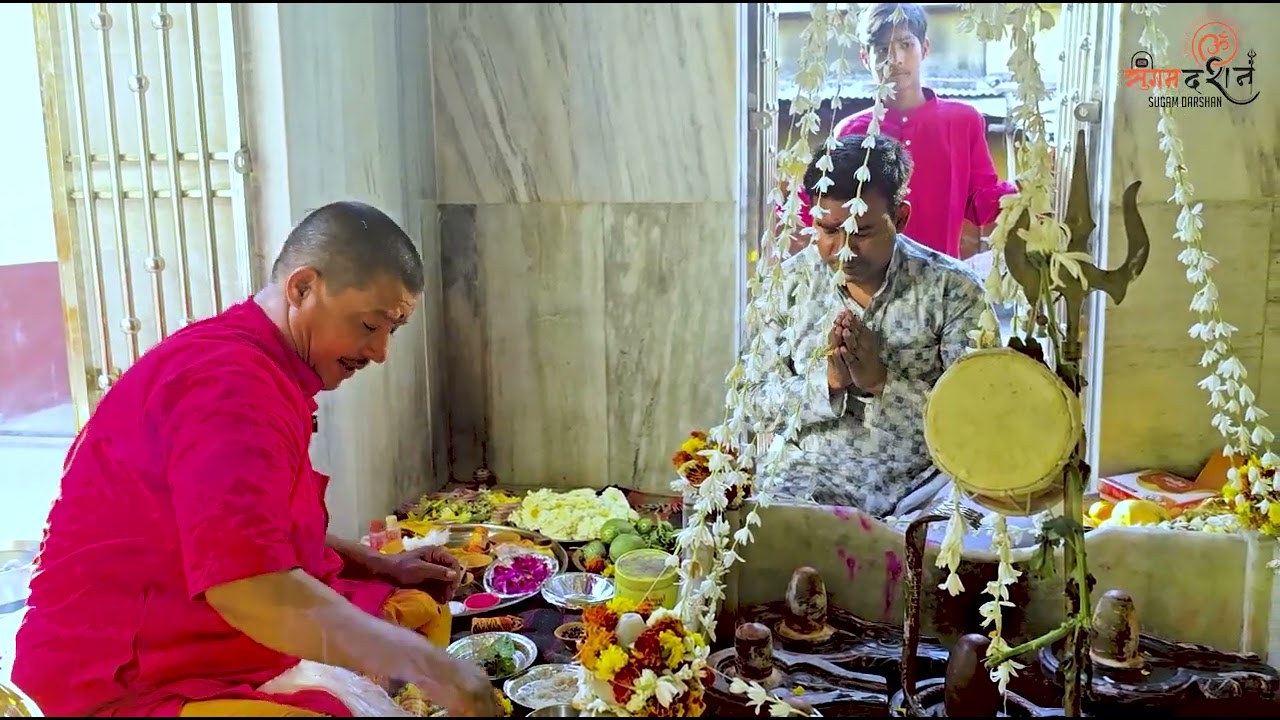
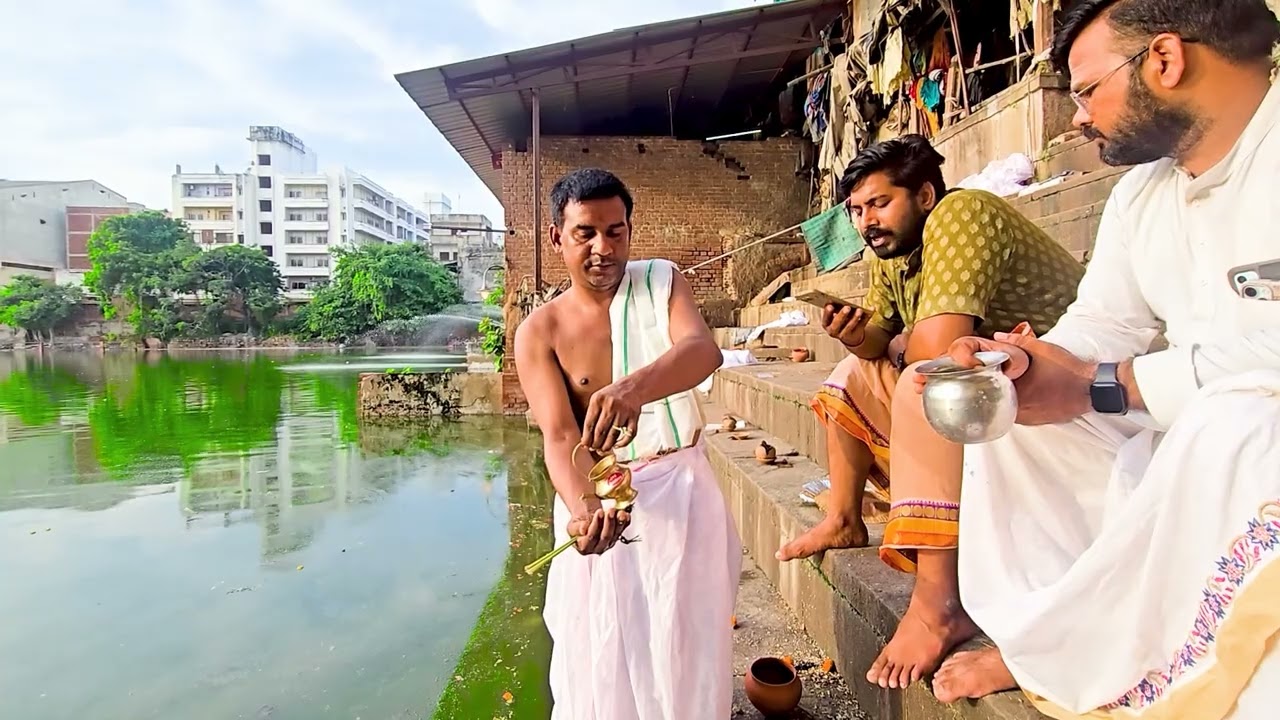
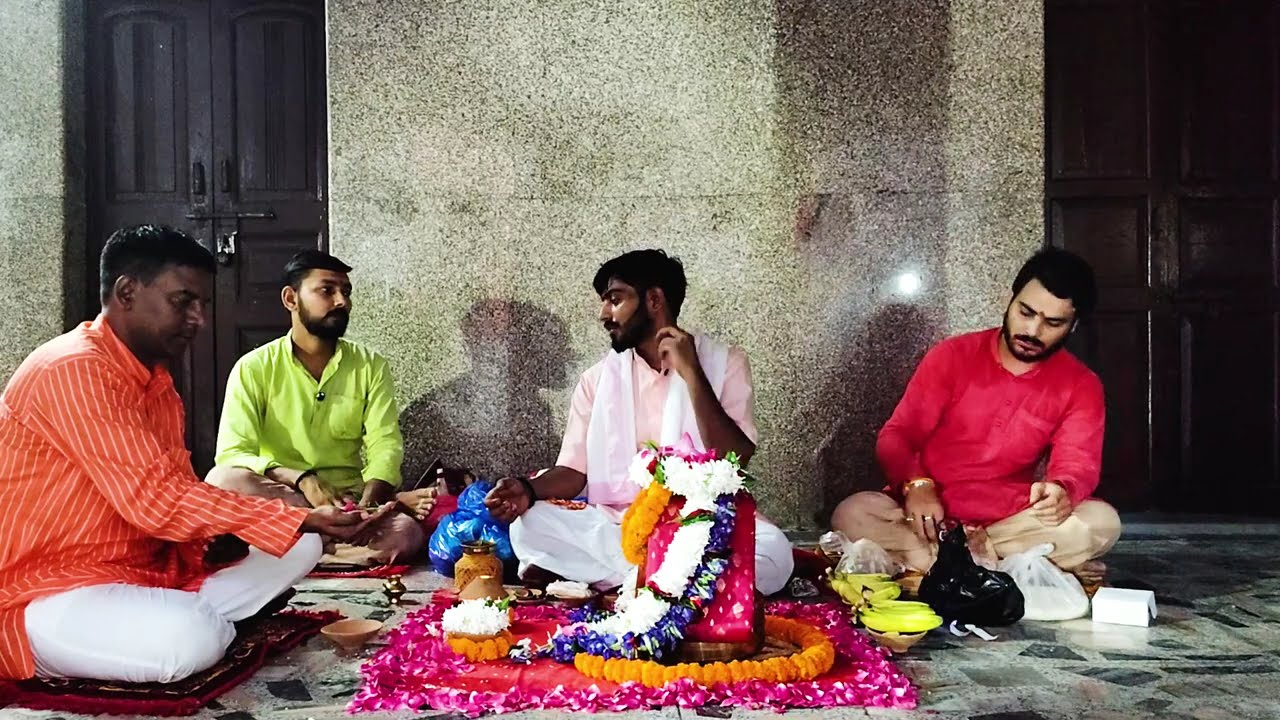
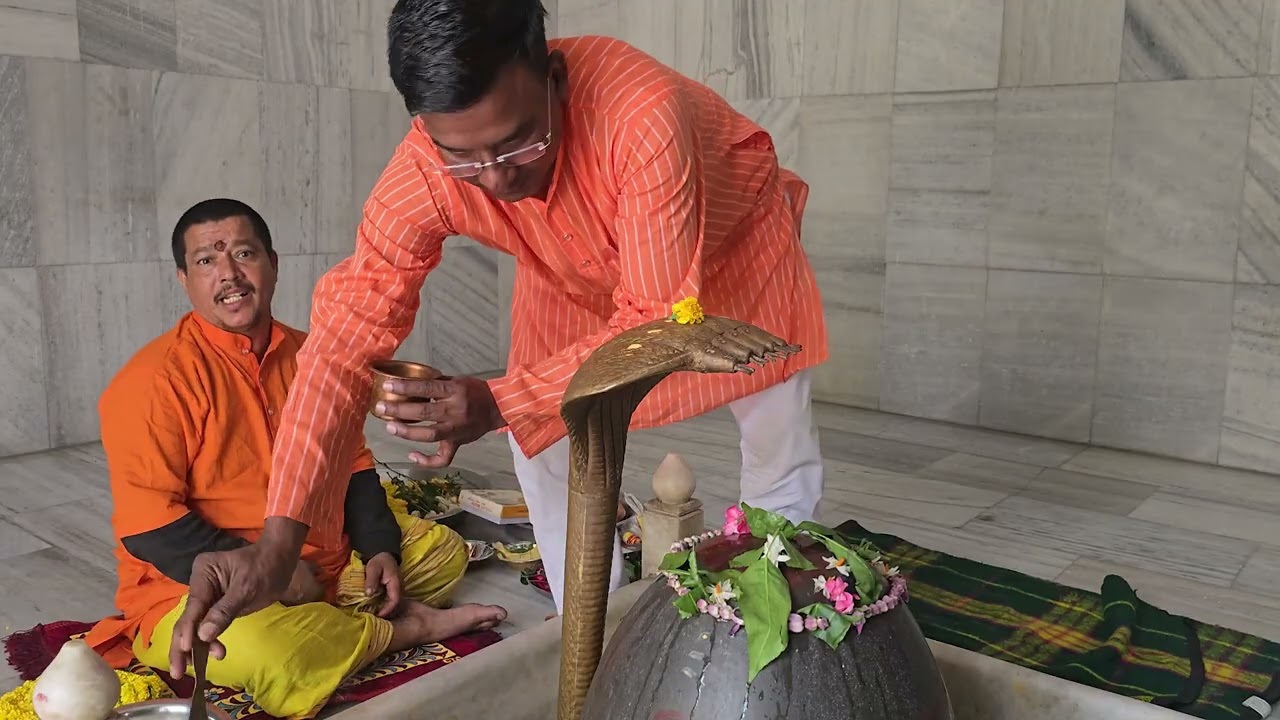
Sacred Rituals and Divine Ceremonies
Daily Rituals
Special Pujas
Popular Offerings
Darshan of Aarti Timings
Temple Opening Hours and Aarti Schedule
Temple Darshan Timings
Daily schedule for temple visits
Morning Darshan
Morning Darshan
Afternoon Closure
Afternoon Closure
Evening Darshan
Evening Darshan
How to Reach Temple
Plan Your Sacred Journey to the Temple
By Airplane
Nearest Airport: Nearest Airport: Jolly Grant Airport
Distance: Distance: Approx. 270 KM
Travel Time: Travel Time: 9–10 Hours
By Train
Nearest Station: Nearest Railway Station: Rishikesh Railway Station
Distance: Distance: Approx. 250 KM
Travel Time: Travel Time: 8–9 Hours
By Road
Bus Stand: Nearest Bus Stand: Gangotri Bus Stand
Distance: Distance: Walking Distance
Travel Time: Travel Time: 2–5 Minutes
Important Travel Information
Distance from Major Cities
New Delhi
510 KM 14–16 Hours
Mumbai
1,850 KM 32–35 Hours
Kolkata
1,700 KM 30–32 Hours
Lucknow
320 km

Got Questions? We've Got Answers
Everything you need to know about temple darshan and puja services
Experience Hindu Pujas & Sewa with Sugam Darshan