
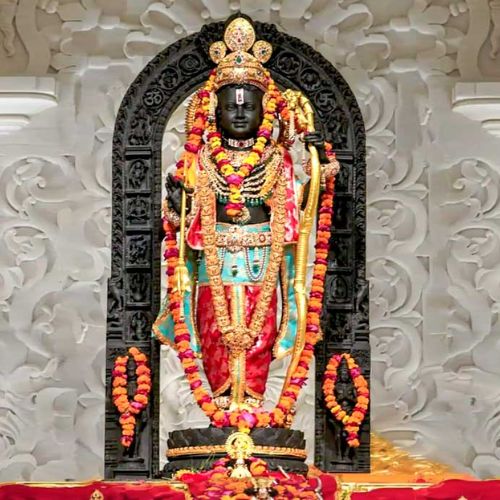
Divine Birthplace of Lord Shri Ram
Sacred Ayodhya temple marking Lord Shri Ram’s birthplace blessing devotees with devotion, dharma, and peace.
Disclamer:
Stuti & Sloka
Lord Rama removes worldly fears.
Translation:
Lord Rama removes worldly fears.
Glory to Lord Shri Ram.
Translation:
Glory to Lord Shri Ram..
Lord Rama always triumphs
Translation:
Lord Rama always triumphs
Sacred Mantras
Sanskrit Mantra
श्री राम जय राम जय जय राम॥
Rama Tarak Mantra
ॐ श्री रामाय नमः॥
Story of The Temple
Divine Tales and Sacred History
“जहाँ श्रीराम का स्मरण होता है, वहाँ धर्म, सत्य, करुणा और दिव्य शांति सदैव स्थापित रहती है।”
Divine Glory of Shri Ram Janmabhoomi Mandir
Shri Ram Janmabhoomi Mandir in Ayodhya Dham is one of the holiest pilgrimage destinations in Hinduism and marks the sacred birthplace of Lord Shri Ram, the seventh incarnation of Lord Vishnu. Revered as Maryada Purushottam, Lord Rama symbolizes truth, righteousness, compassion, and ideal kingship.
The grand temple stands as a timeless symbol of Sanatan Dharma, devotion, and spiritual unity. Millions of devotees from India and across the world visit Ayodhya seeking blessings of Lord Ram for peace, strength, family harmony, and spiritual fulfillment.
The divine atmosphere of the temple resonates with continuous chanting of “Jai Shri Ram,” devotional bhajans, temple bells, and Vedic rituals creating a spiritually uplifting experience. The temple inspires devotees to follow the path of Dharma and devotion shown by Lord Rama throughout the Ramayana.
Shri Ram Janmabhoomi Mandir remains an eternal spiritual beacon preserving the sacred heritage of Ayodhya and Hindu civilization..
Mythological Origin of Shri Ram Janmabhoomi
According to the Valmiki Ramayana, Ramcharitmanas, and ancient Hindu scriptures, Ayodhya is the sacred birthplace of Lord Shri Ram. The city was ruled by King Dasharatha of the Ikshvaku dynasty and became eternally blessed when Lord Vishnu incarnated here as Shri Ram to destroy evil and establish Dharma.
Lord Rama’s life represents ideal conduct, truth, devotion, sacrifice, and righteous leadership. His divine journey from Ayodhya to exile, victory over Ravana, and return to Ayodhya during Deepawali continues to inspire humanity across generations.
Devotees believe that visiting Shri Ram Janmabhoomi and taking darshan of Ram Lalla grants spiritual merit, peace, and blessings for a righteous life. The temple preserves the eternal spiritual legacy of Lord Rama and remains deeply connected with the devotional traditions of Ram Bhakti.
Ayodhya Dham continues to be one of the most sacred cities in Hinduism associated with divine grace and liberation.
Historical and Architectural Importance
Shri Ram Janmabhoomi Mandir is among the most historically significant temples in India. The grand temple reflects centuries of devotion, faith, and spiritual aspiration connected with Lord Rama’s birthplace.
The temple architecture beautifully follows traditional Nagara style showcasing intricate carvings, sacred pillars, divine sculptures, and spiritually symbolic design inspired by ancient Hindu temple traditions. Constructed using pink sandstone, the temple radiates grandeur, devotion, and spiritual magnificence.
The sanctum houses Ram Lalla in child form worshipped with immense devotion and Vedic rituals. The temple complex includes beautifully designed mandapas, sacred pathways, spiritual halls, and devotional spaces for pilgrims.
The temple stands today as a symbol of cultural heritage, devotion, and the timeless spiritual values of Sanatan Dharma.
Spiritual Energy and Religious Importance
Shri Ram Janmabhoomi Mandir radiates immense spiritual energy and devotion. Devotees believe that Lord Shri Ram blesses sincere worshippers with courage, peace, prosperity, family harmony, and spiritual wisdom.
The temple is especially significant for devotees seeking inner strength, righteous living, devotion, and liberation from negativity. Pilgrims experience emotional peace and divine joy while chanting Ram Naam inside the sacred premises.
The spiritual atmosphere during aartis, bhajans, Ramayana recitations, and Vedic rituals creates a deeply transformative experience. Saints, devotees, and spiritual seekers visit Ayodhya to immerse themselves in Ram Bhakti and divine consciousness.
The temple symbolizes Dharma, truth, compassion, and ideal human values taught by Lord Rama through His divine life.
Festivals and Pilgrimage Importance
The temple becomes spiritually vibrant during Ram Navami, Deepawali, Vivah Panchami, Kartik Purnima, and major Vaishnav festivals. Thousands of devotees gather to participate in Ram Katha, bhajans, aartis, and grand devotional celebrations.
Daily rituals include Mangala Aarti, Bhog offerings, Ram Archana, Vedic chanting, and evening Sandhya Aarti. The temple atmosphere during these ceremonies fills devotees with devotion and spiritual bliss.
Shri Ram Janmabhoomi Mandir is among the most important pilgrimage sites in India and forms a sacred center of Ram Bhakti. Devotees believe that worshipping Lord Ram here strengthens faith, removes negativity, and blesses life with righteousness, peace, and divine grace.
Importance of The Temple
Sacred Significance and Divine Blessings
Sacred Birthplace of Lord Ram
The temple marks the divine birthplace of Maryada Purushottam Shri Ram.
Eternal Symbol of Dharma
Lord Ram inspires truth, righteousness, devotion, and ideal living.
Center of Ram Bhakti
The temple preserves sacred traditions of Ramayana and Ram devotion.
Spiritual Heart of Ayodhya
Ayodhya Dham radiates divine energy and eternal spiritual heritage.
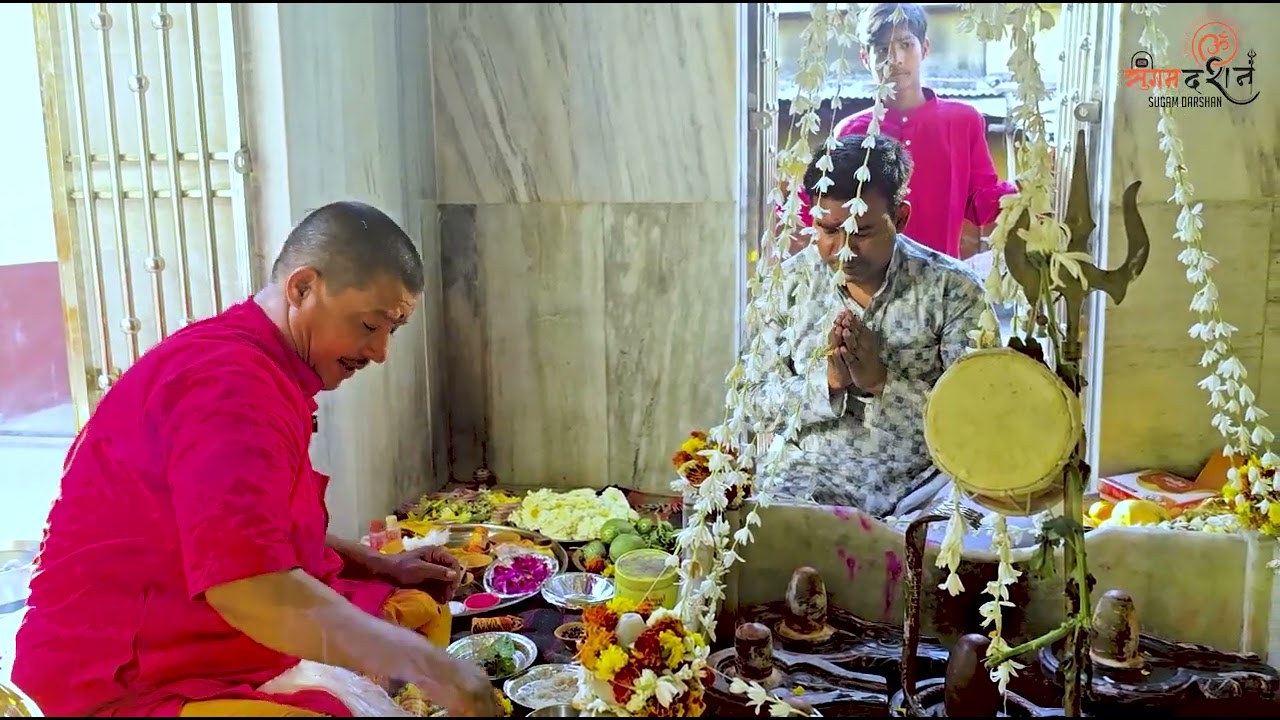
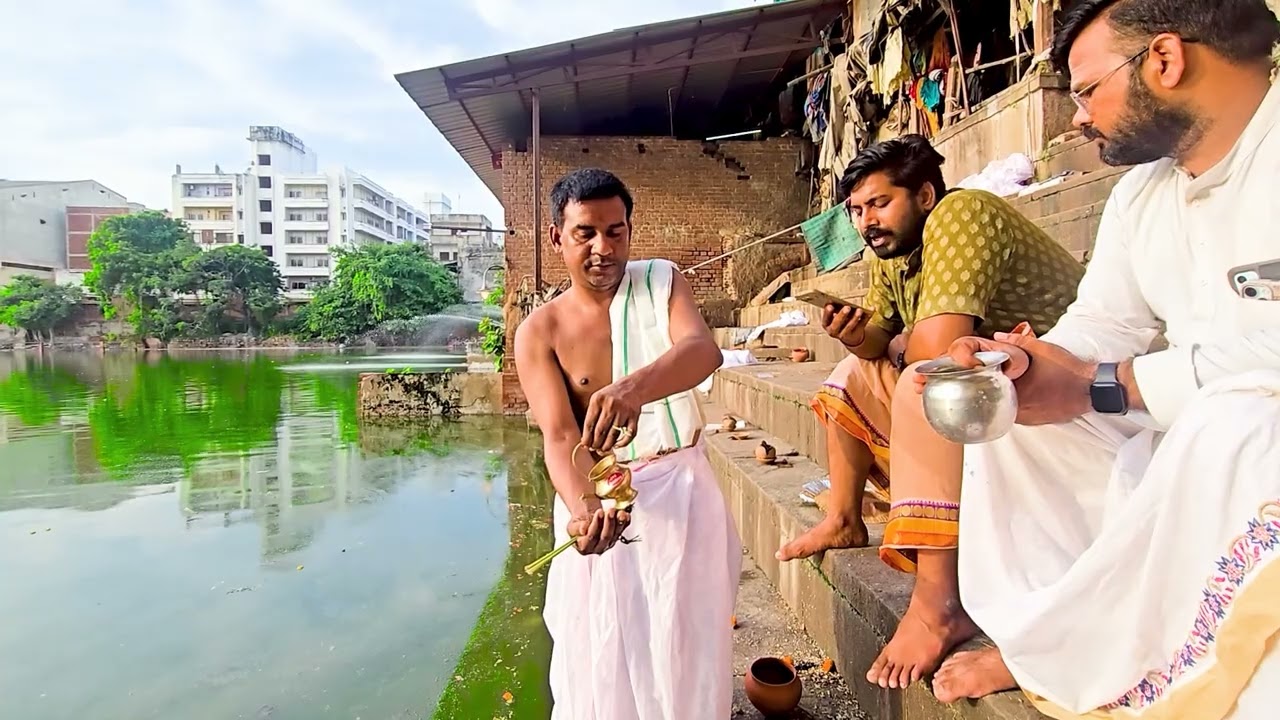
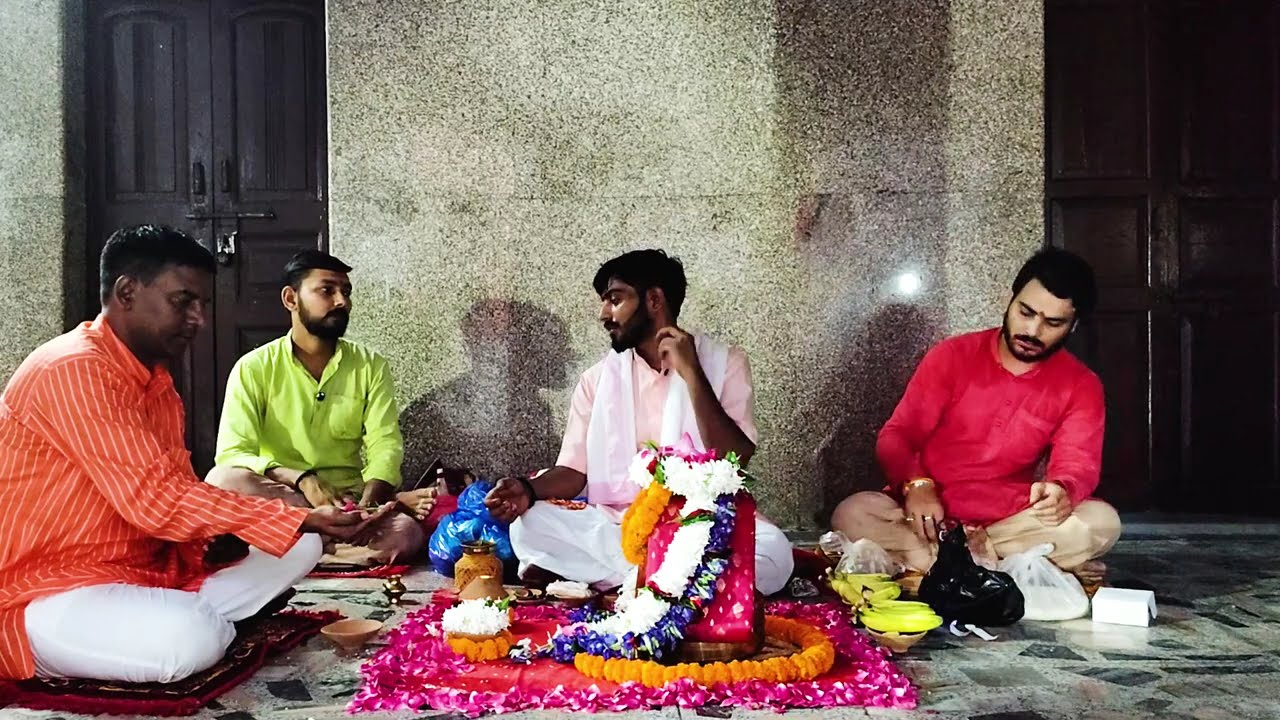
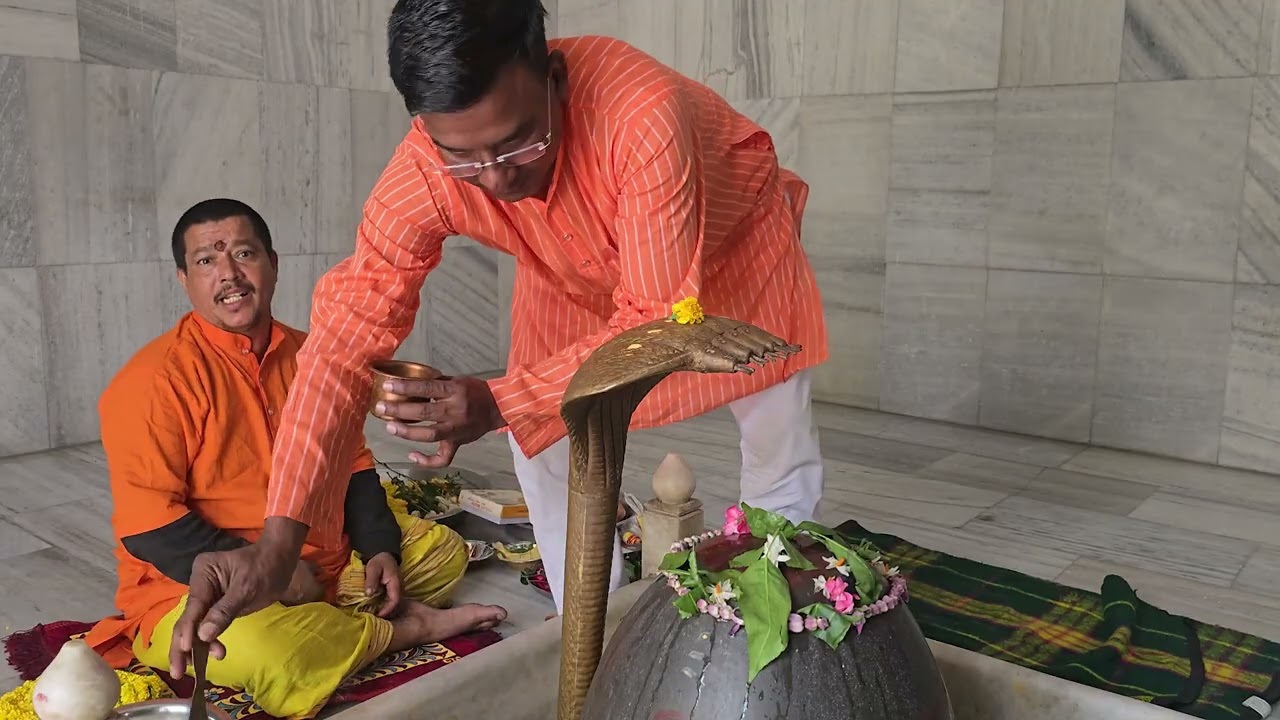
Pujas Performed in The Temple
Sacred Rituals and Divine Ceremonies
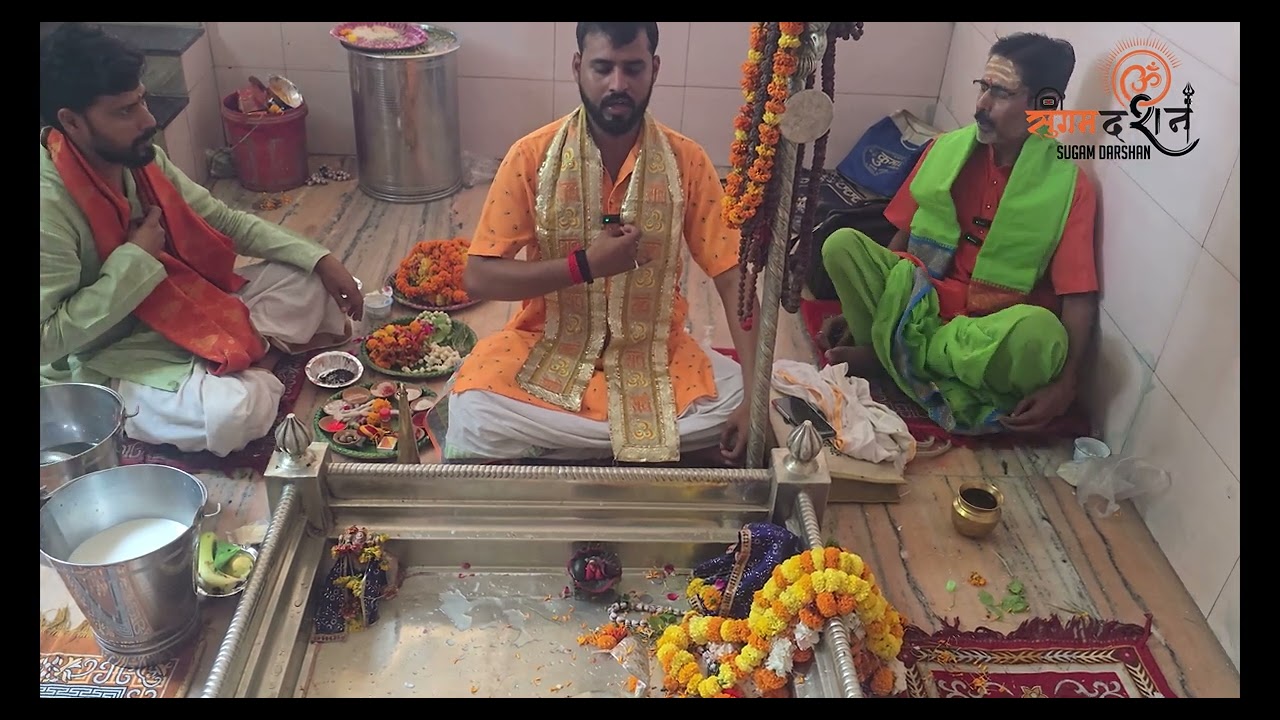
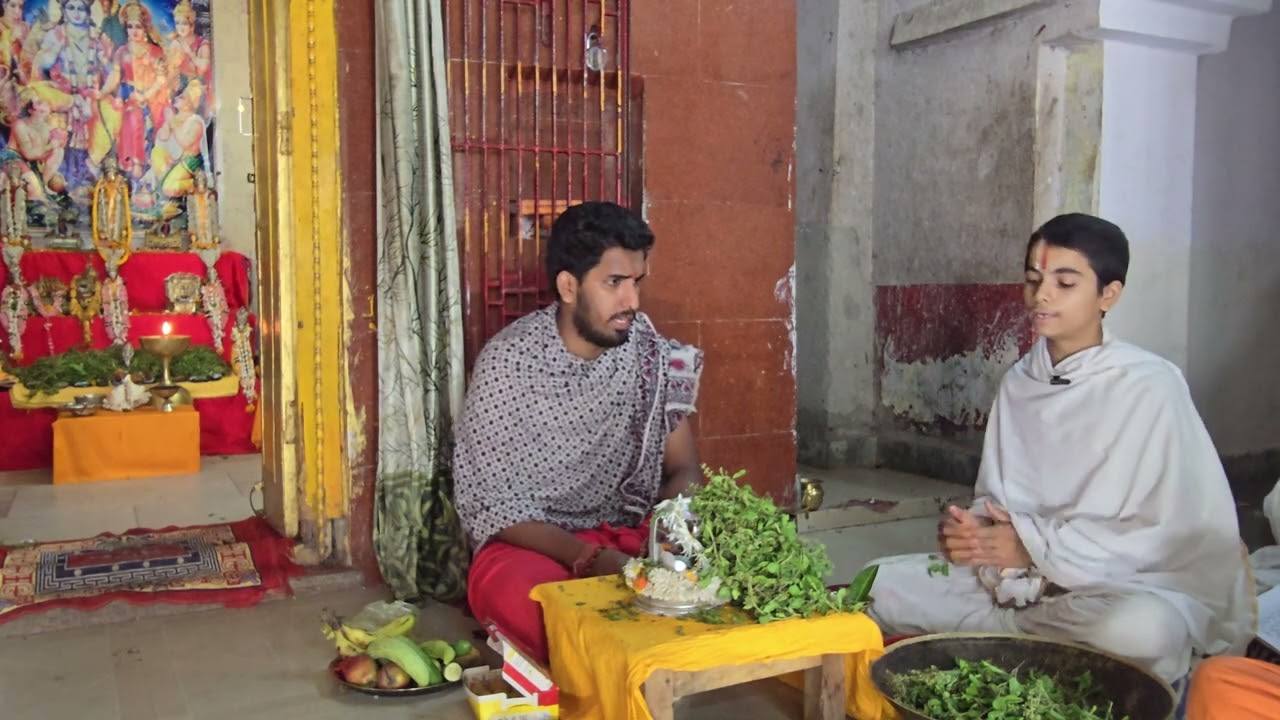
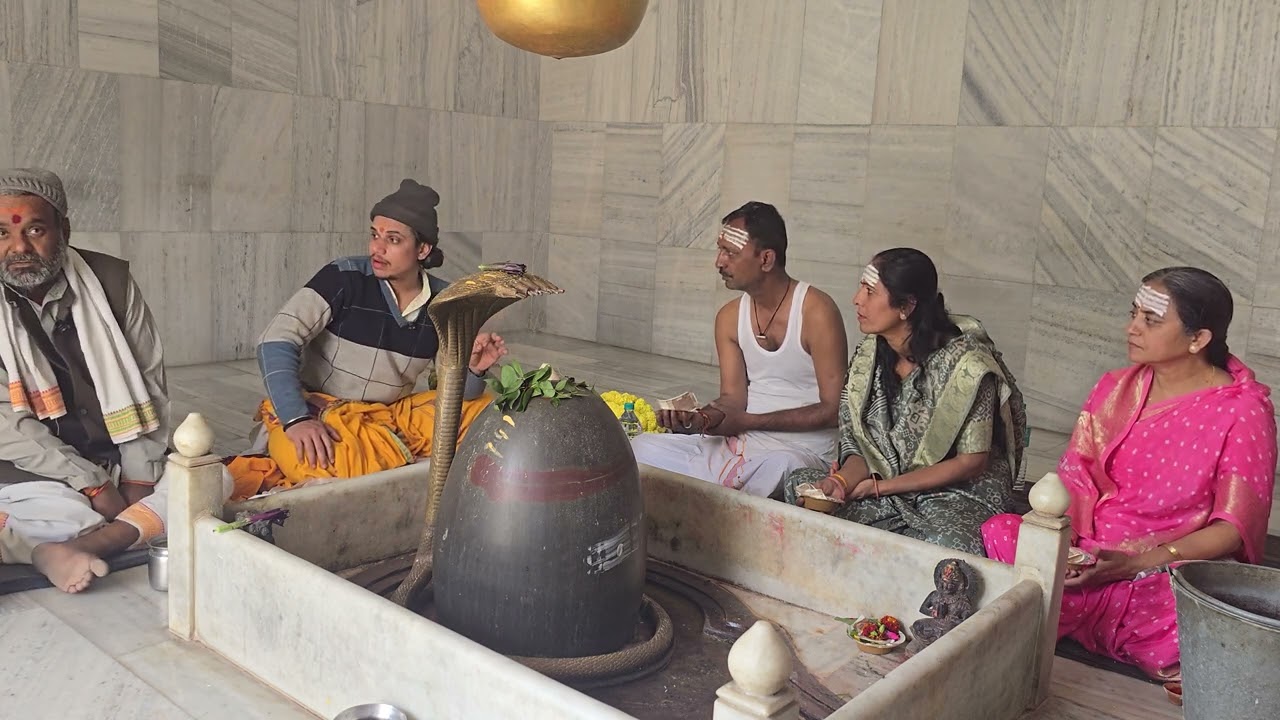
Daily Rituals
Special Pujas
Popular Offerings
Darshan of Aarti Timings
Temple Opening Hours and Aarti Schedule
Temple Darshan Timings
Daily schedule for temple visits
Morning Darshan
Experience the sacred serenity of early morning darshan as divine chants, temple bells, and spiritual vibrations awaken the soul with peace and devotion.
Afternoon Closure
Afternoon closure allows priests to perform divine seva, bhog offerings, and essential temple rituals in a peaceful atmosphere.
Evening Darshan
Evening Darshan offers devotees a peaceful opportunity to seek divine blessings amidst glowing diyas and soulful aarti vibrations.
How to Reach Temple
Plan Your Sacred Journey to the Temple
By Airplane
Nearest Airport: Nearest Airport: Maharishi Valmiki International A
Distance: Distance: Approx 10 KM
Travel Time: Travel Time: 20–30 Minutes
By Train
Nearest Station: Nearest Railway Station: Ayodhya Dham Junction
Distance: Distance: Approx 2 KM
Travel Time: Travel Time: 10 Minutes
By Road
Bus Stand: Nearest Bus Stand: Ayodhya Bus Stand
Distance: Distance: Approx 3 KM
Travel Time: Travel Time: 10–15 Minutes
Important Travel Information
Distance from Major Cities
New Delhi
690 KM
Mumbai
1450 KM
Kolkata
700 KM
Lucknow
320 km
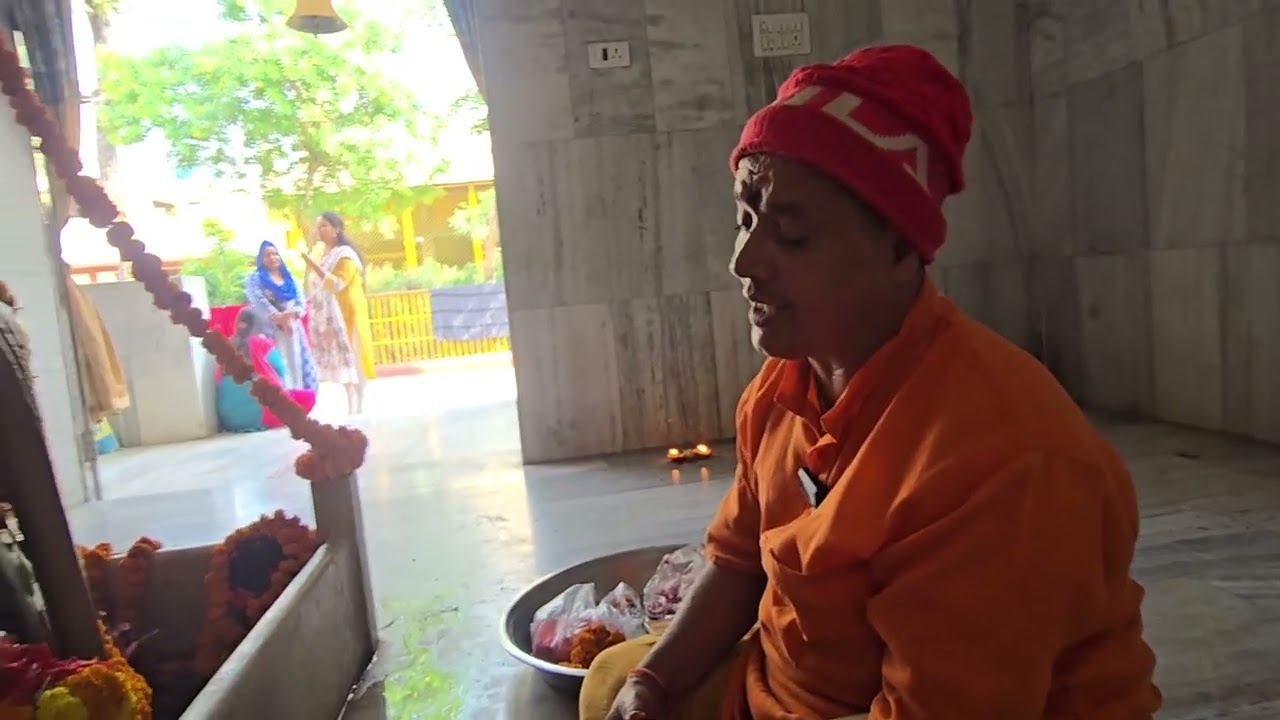
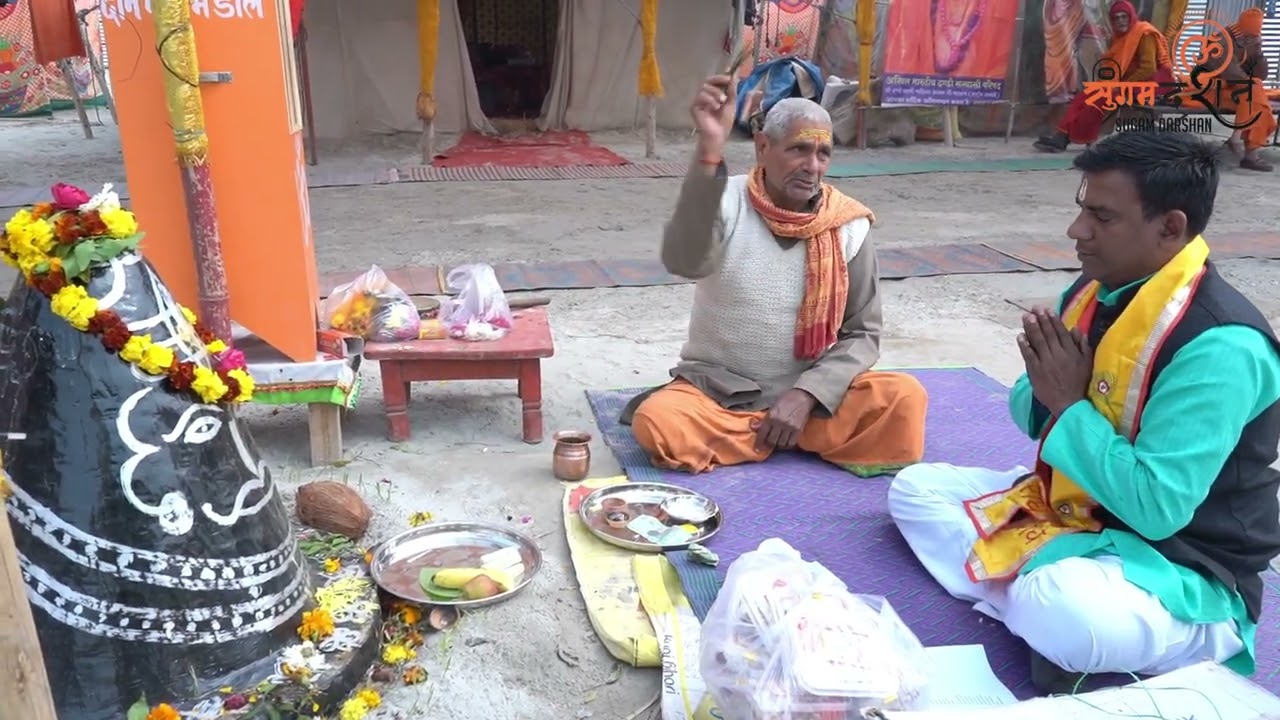
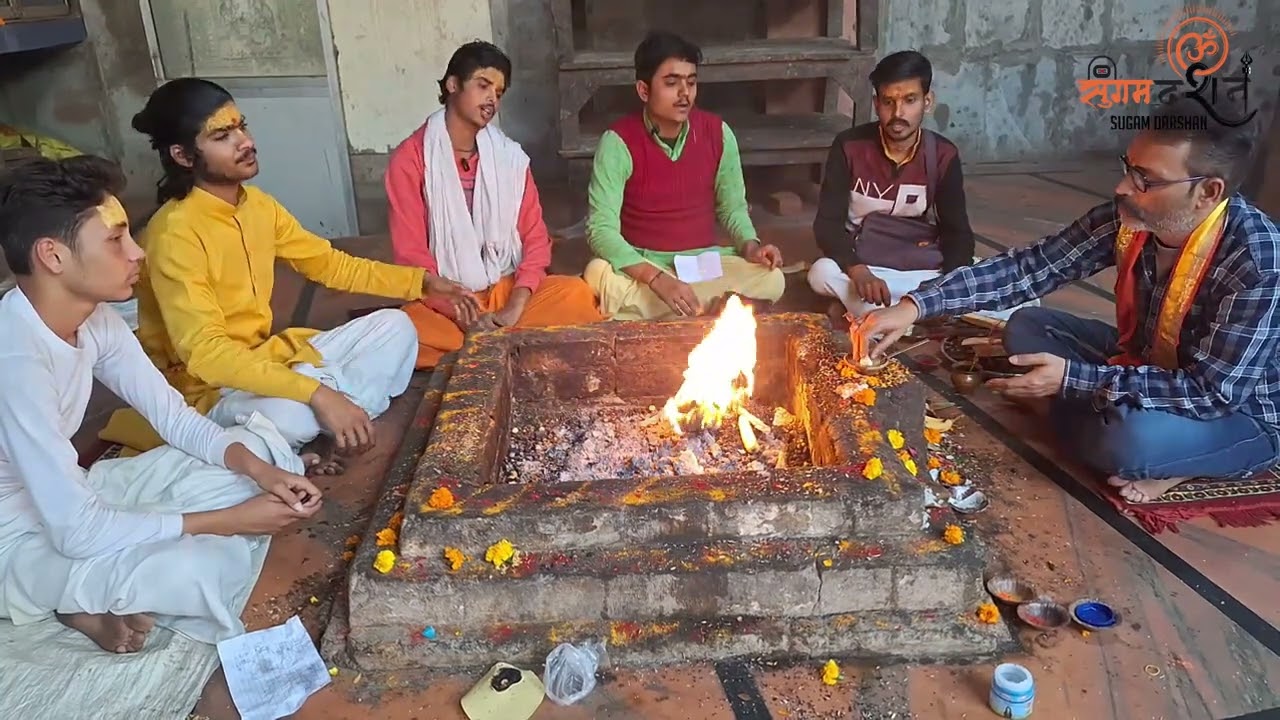

Got Questions? We've Got Answers
Everything you need to know about temple darshan and puja services
Experience Hindu Pujas & Sewa with Sugam Darshan