
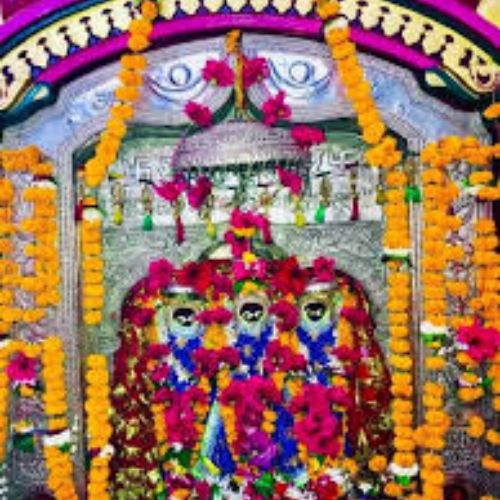
Devkali Temple
Ancient Ayodhya temples of Maa Devkali blessing devotees with protection, prosperity, devotion, and divine Shakti.
Disclamer:
Stuti & Sloka
Salutations to Divine Mother.
Translation:
Salutations to Divine Mother.
Glory to Maa Devkali.
Translation:
Glory to Maa Devkali..
Goddess Durga removes fear.
Translation:
Goddess Durga removes fear.
Sacred Mantras
Sanskrit Mantra
ॐ ह्रीं देवकाल्यै नमः॥
Devi Beej Mantra
Story of The Temple
Divine Tales and Sacred History
ॐ ऐं ह्रीं श्रीं कालिकायै नमः॥
Divine Glory of Chhoti Devkali & Badi Devkali Mandir
Chhoti Devkali and Badi Devkali Mandirs in Ayodhya are among the most spiritually revered temples dedicated to Maa Devkali, a divine form of Goddess Durga and Adi Shakti. These sacred temples hold immense importance among devotees seeking protection, courage, prosperity, and spiritual blessings.
Located in the holy city of Ayodhya, the temples radiate powerful spiritual energy and attract thousands of pilgrims throughout the year. Devotees believe that Maa Devkali protects sincere worshippers from negativity, fear, evil influences, and life obstacles.
The temple atmosphere filled with Devi chants, bells, incense fragrance, and devotional rituals creates a deeply emotional and spiritually uplifting experience. Pilgrims visiting Ayodhya often seek darshan of Chhoti Devkali and Badi Devkali for divine blessings and spiritual peace.
The temples remain timeless symbols of feminine divine power, devotion, and sacred Shakti worship traditions preserved in Ayodhya Dham..
Mythological Origin of Maa Devkali
According to local traditions and ancient Hindu beliefs, Maa Devkali is worshipped as a powerful protective form of Goddess Durga associated with Ayodhya’s spiritual heritage. Devotees believe the Goddess safeguards the sacred land of Ayodhya and blesses sincere worshippers with courage, peace, and divine grace.
The temples are deeply connected with Shakti worship traditions practiced in Ayodhya for centuries. Maa Devkali is revered as a compassionate mother who removes fear, negativity, and suffering while guiding devotees toward spiritual strength and devotion.
Many devotees consider Chhoti Devkali and Badi Devkali as sacred centers where the divine feminine energy of Adi Shakti eternally resides. Worshipping the Goddess here is believed to bring protection, family harmony, prosperity, and fulfillment of wishes.
The spiritual traditions associated with these temples continue to inspire faith and devotion among pilgrims visiting Ayodhya Dham.
Historical and Architectural Importance
Chhoti Devkali and Badi Devkali temples preserve ancient traditions of Devi worship in Ayodhya. The temples have remained important pilgrimage sites for devotees of Goddess Durga and Shakti worshippers for generations.
The temple architecture reflects traditional North Indian temple style with colorful sanctums, sacred carvings, decorative pillars, and spiritually vibrant surroundings. The idols of Maa Devkali are beautifully adorned with red chunri, flowers, jewelry, sindoor, and sacred ornaments symbolizing divine power and prosperity.
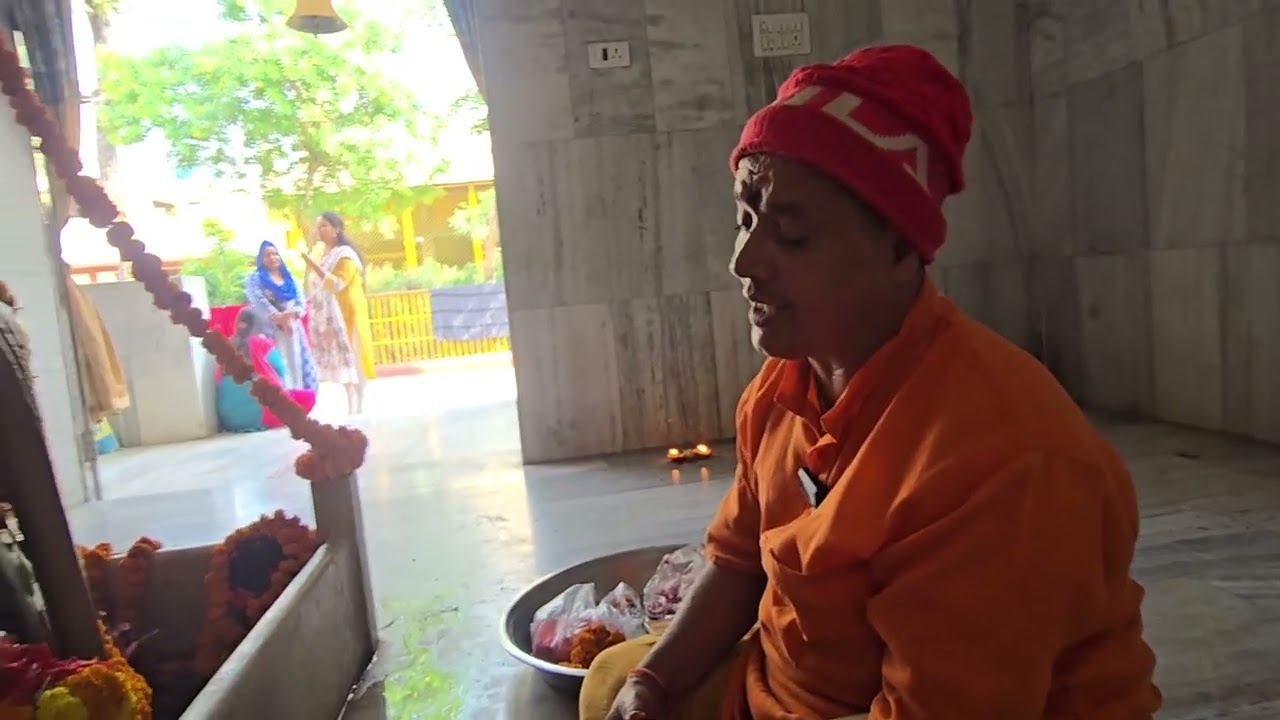
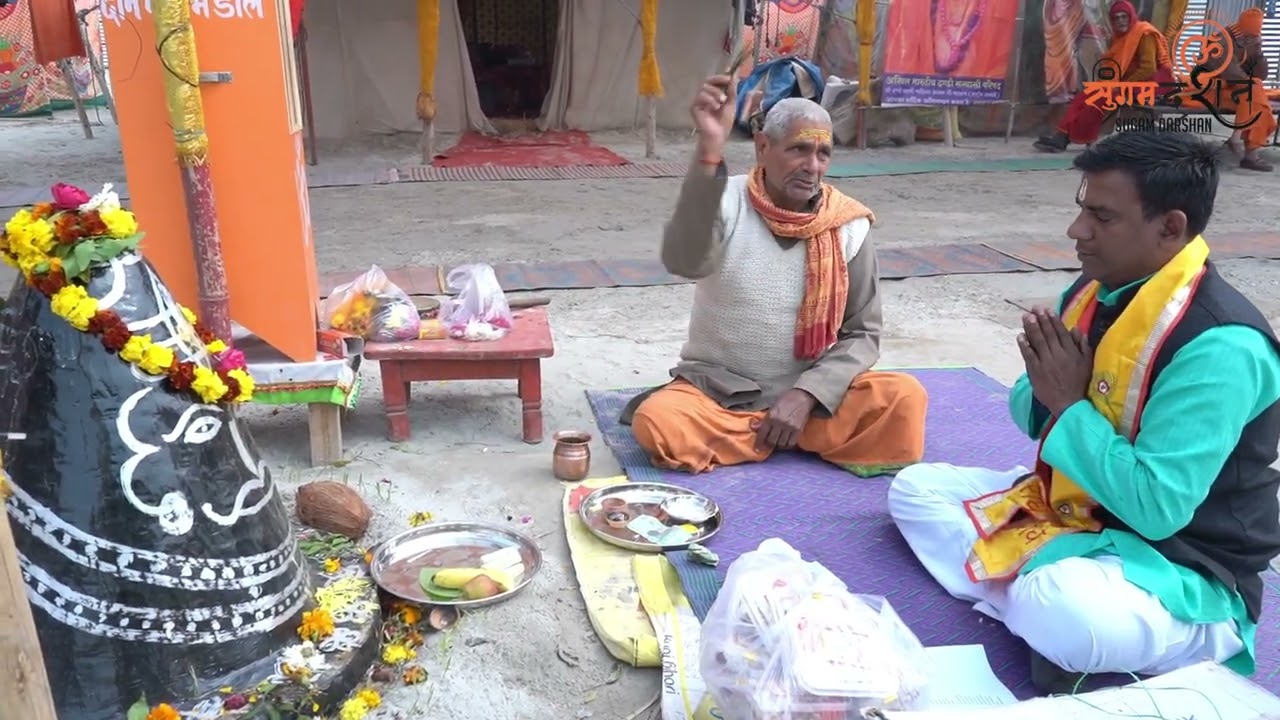
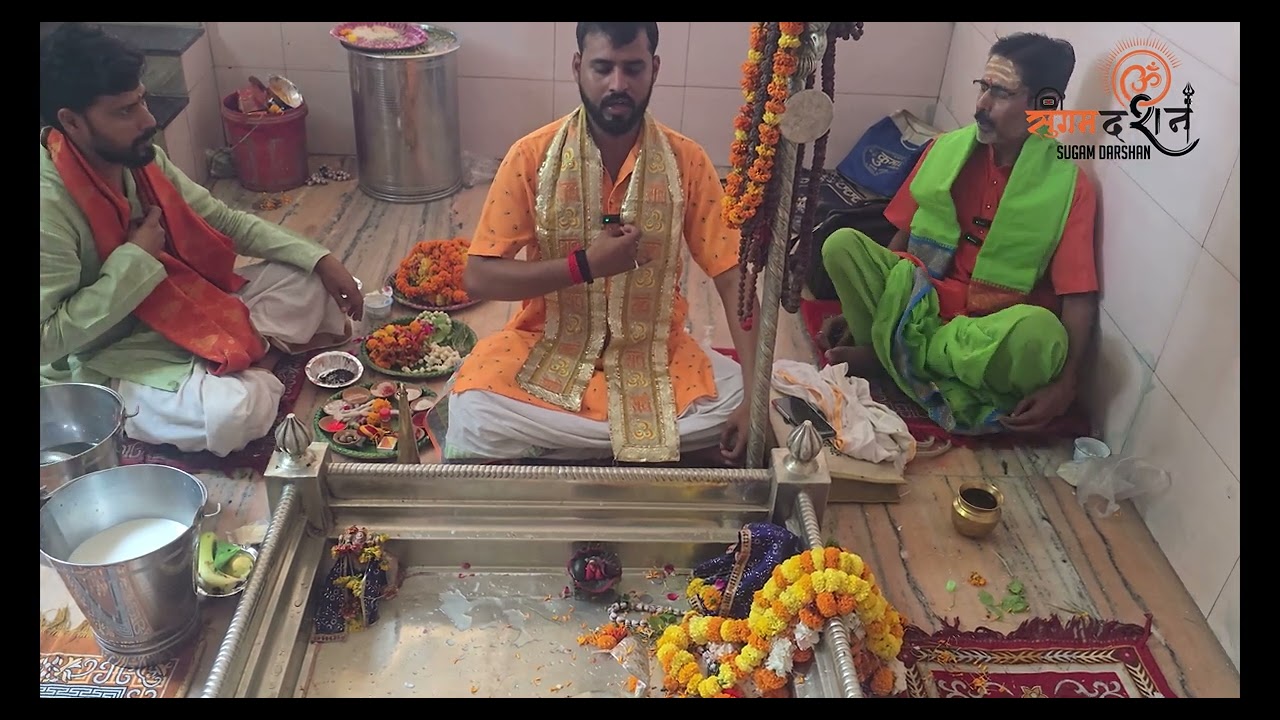
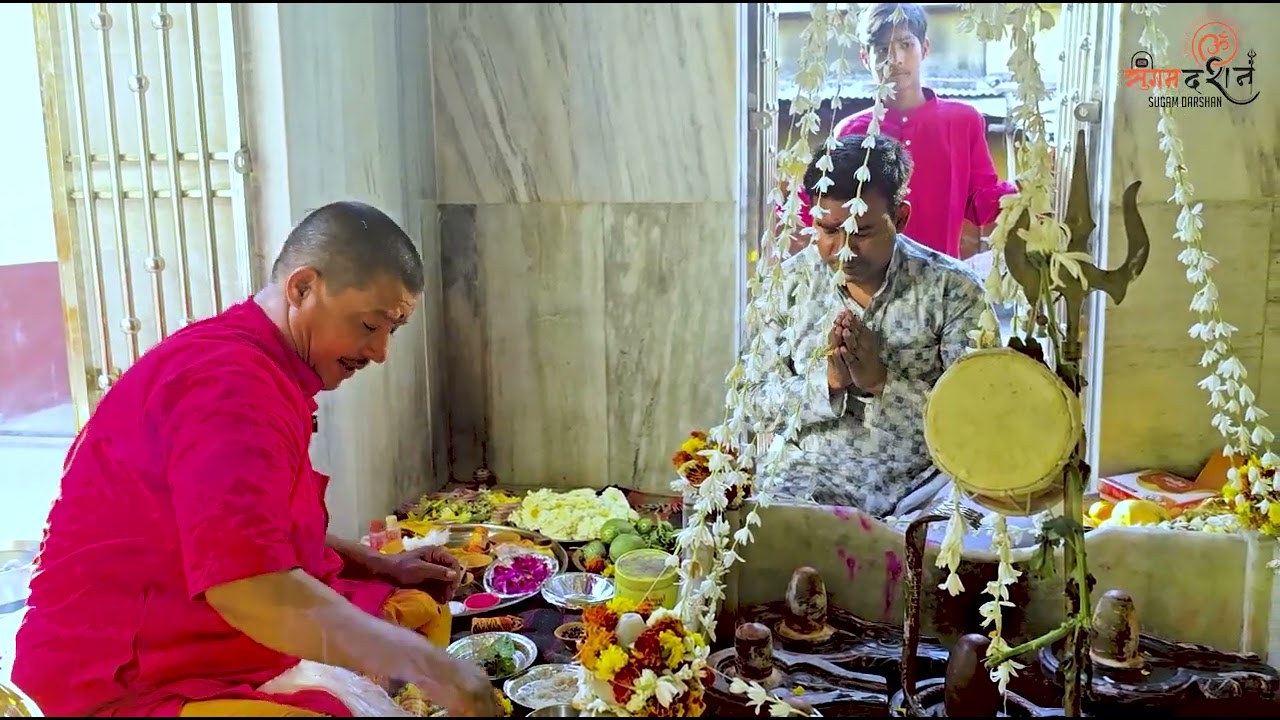
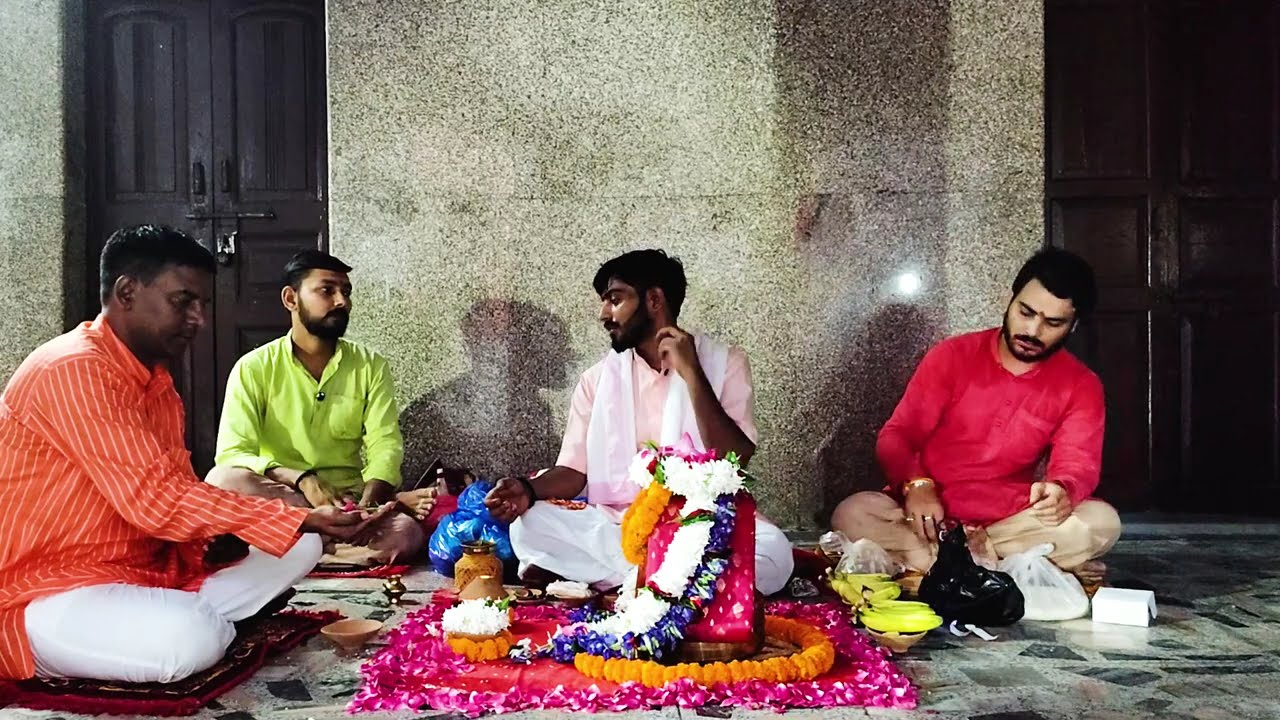
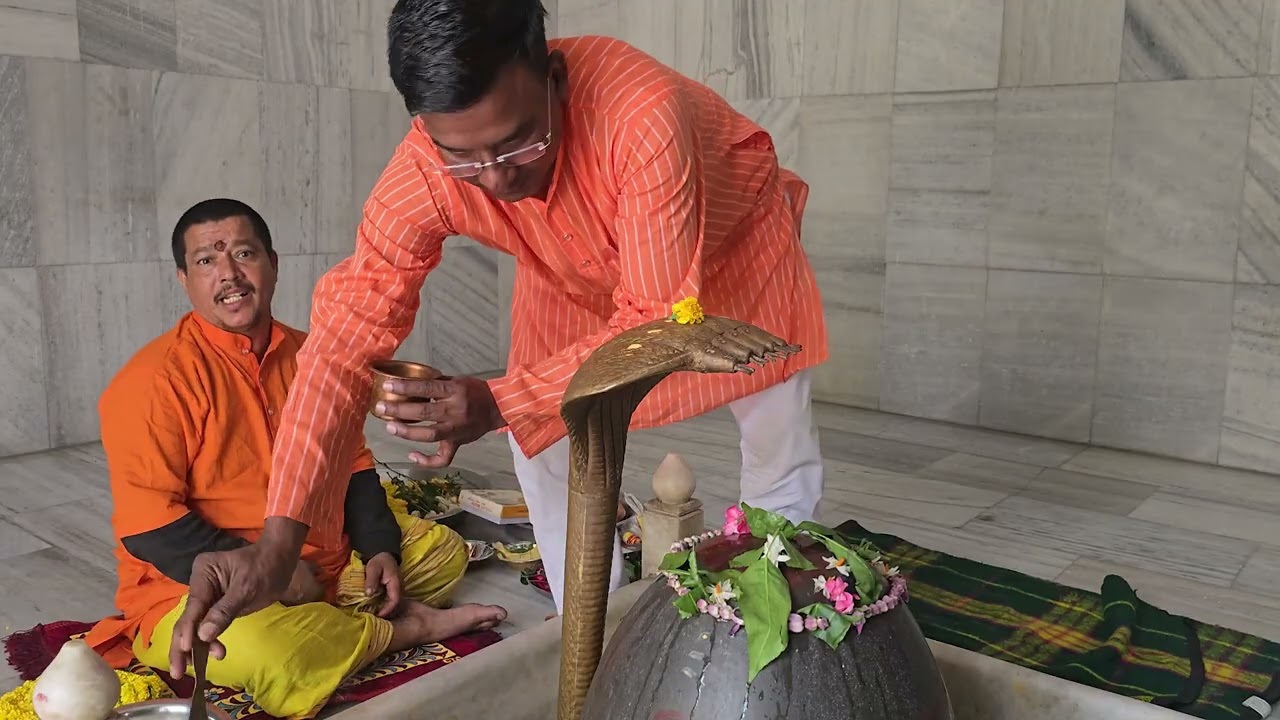
Devotees offer coconuts, sweets, flowers, diyas, and sacred cloth to the Goddess seeking blessings and fulfillment of prayers. The temple surroundings resonate with devotional songs, bhajans, and spiritual chants throughout the day.
The temples continue to preserve the rich spiritual culture and sacred Shakti traditions of Ayodhya.
Spiritual Energy and Religious Importance
The temples are considered spiritually powerful centers of Devi worship where devotees experience divine protection and emotional peace. Worshipping Maa Devkali is believed to remove negativity, grant courage, and bless devotees with prosperity and spiritual strength.
Women devotees especially visit the temples seeking blessings for family happiness, marital harmony, motherhood, and protection. Many pilgrims experience deep emotional devotion and spiritual positivity while participating in Devi pujas and aartis.
The sacred atmosphere during Navratri and daily rituals creates an uplifting spiritual experience filled with divine energy. Saints, devotees, and spiritual seekers visit the temples to meditate and seek blessings from Maa Shakti.
The temples symbolize compassion, divine protection, courage, and the eternal nurturing power of the Divine Mother.
Festivals and Pilgrimage Importance
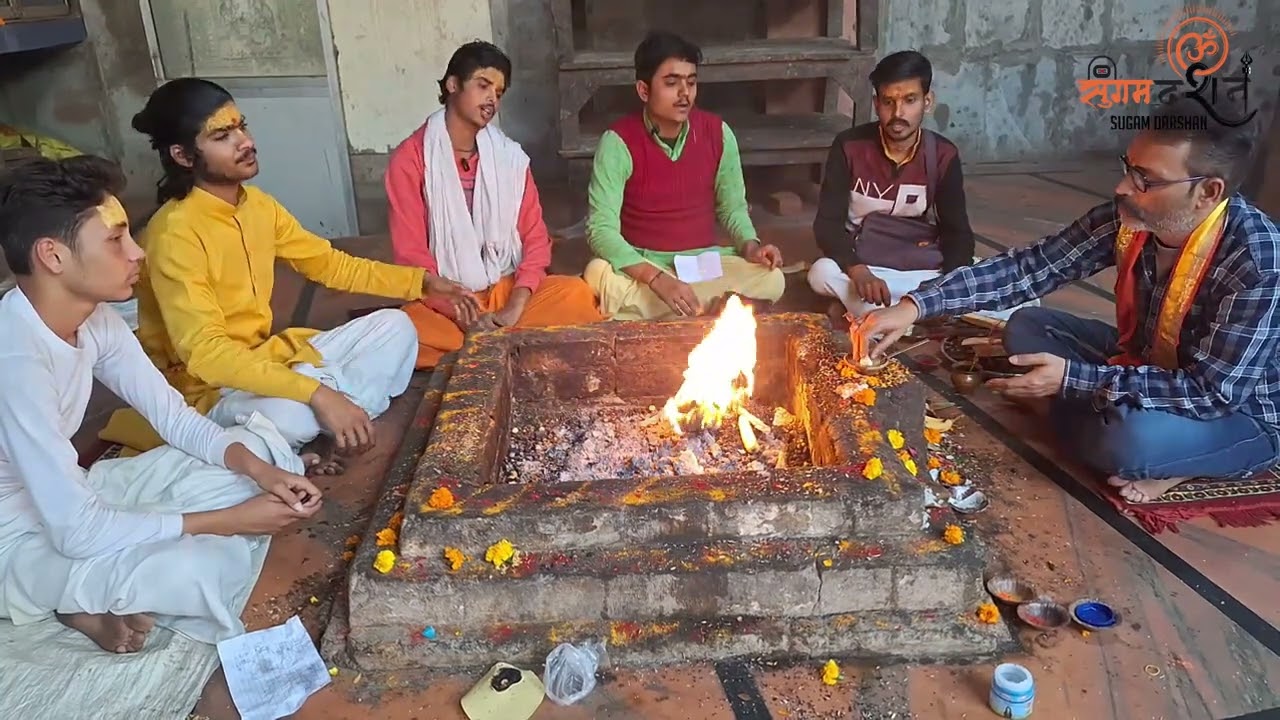
The temples become highly vibrant during Navratri, Durga Puja, Kali Puja, and major Shakti festivals. Thousands of devotees gather to participate in Devi Jagran, bhajans, havans, Kumkum Archana, and grand devotional celebrations.
Daily rituals include Mangala Aarti, Devi Archana, Bhog offerings, mantra chanting, and evening Sandhya Aarti. The devotional atmosphere during these ceremonies fills devotees with peace, positivity, and spiritual joy.
Chhoti Devkali and Badi Devkali temples are among the important pilgrimage destinations in Ayodhya associated with sacred Shakti worship traditions. Devotees believe that sincere worship here grants divine protection, prosperity, courage, and spiritual fulfillment.
Importance of The Temple
Sacred Significance and Divine Blessings
Divine Protection and CourageSacred Temples of Divine Shakti
The temples preserve ancient worship traditions of Maa Devkali in Ayodhya.
Divine Protection and Courage
Maa Devkali removes fear and blesses devotees with strength and positivity.
Spiritual Center of Devi Worship
The temples radiate powerful feminine divine energy and devotion.
Blessings of Prosperity and Peace
Devotees seek family harmony, prosperity, and protection from Maa Devkali.
Pujas Performed in The Temple
Sacred Rituals and Divine Ceremonies
Daily Rituals
Special Pujas
Popular Offerings
Darshan of Aarti Timings
Temple Opening Hours and Aarti Schedule
Temple Darshan Timings
Daily schedule for temple visits
Morning Darshan
The sacred Morning Darshan creates a deeply devotional experience where the temple resonates with purity, faith, and timeless spiritual traditions.
Afternoon Closure
The temple temporarily closes during afternoon hours for sacred devotional rituals and preparation for evening darshan.
Evening Darshan
Attend the blissful Evening Darshan to immerse yourself in spiritual tranquility and receive the deityâÂÂs divine grace and protection.
How to Reach Temple
Plan Your Sacred Journey to the Temple
By Airplane
Nearest Airport: Nearest Airport: Maharishi Valmiki International A
Distance: Distance: Approx 12 KM
Travel Time: Travel Time: 25–30 Minutes
By Train
Nearest Station: Nearest Railway Station: Ayodhya Dham Junction
Distance: Distance: Approx 3 KM
Travel Time: Travel Time: 10–15 Minutes
By Road
Bus Stand: Nearest Bus Stand: Ayodhya Bus Stand
Distance: Distance: Approx 3 KM
Travel Time: Travel Time: 10–15 Minutes
Important Travel Information
Distance from Major Cities
New Delhi
690 KM
Mumbai
1450 KM
Kolkata
700 KM
Lucknow
320 km

Got Questions? We've Got Answers
Everything you need to know about temple darshan and puja services
Experience Hindu Pujas & Sewa with Sugam Darshan