
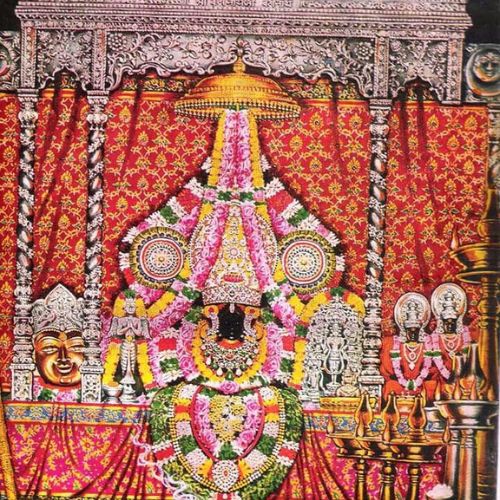
Badrinath Temple Uttarakhand,
Divine Badrinath Dham, abode of Lord Vishnu, where devotees receive blessings of devotion, prosperity, wisdom, and ultimate liberation.
Disclamer:
Stuti & Sloka
ॐ नमो नारायणाय॥
Translation:
Salutations to Lord Narayana.
शान्ताकारं भुजगशयनं पद्मनाभं सुरेशम्। विश्वाधारं गगनसदृशं मेघवर्णं शुभाङ्गम्॥
Translation:
Lord Vishnu sustains and protects the universe..
नमो ब्रह्मण्यदेवाय गोब्राह्मणहिताय च। जगद्धिताय कृष्णाय गोविन्दाय नमो नमः॥
Translation:
Lord Vishnu blesses all beings with divine grace.
Sacred Mantras
Sanskrit Mantra
ॐ बद्रीविशालाय नमः॥
Narayana Mantra
ॐ नमो नारायणाय॥
Story of The Temple
Divine Tales and Sacred History
"नारायण की शरण में आने वाला भक्त सांसारिक बंधनों से मुक्त होकर परम शांति और मोक्ष को प्राप्त करता है।"
Divine Glory of Badrinath Temple
Badrinath Temple is one of the most sacred pilgrimage destinations in Hinduism and forms an integral part of the revered Char Dham Yatra. Dedicated to Lord Vishnu in the form of Badri Narayan, the temple is nestled amidst the majestic Himalayas in Uttarakhand at an altitude of approximately 3,133 meters above sea level.
Surrounded by the Nar and Narayan mountain ranges and blessed by the sacred Alaknanda River, Badrinath radiates immense spiritual energy. The temple attracts millions of devotees every year who seek divine blessings, spiritual purification, and liberation.
The serene atmosphere, breathtaking natural beauty, and deep-rooted spiritual significance make Badrinath one of India's most revered holy shrines. Devotees believe that a pilgrimage to Badrinath helps remove sins accumulated over lifetimes and opens the path toward salvation.
The temple remains a timeless symbol of devotion, faith, and divine grace..
Mythological Origin and Sacred Legends
According to Hindu scriptures, Lord Vishnu performed intense meditation at Badrikashram for the welfare of humanity. During his penance, Goddess Lakshmi protected him from harsh weather by taking the form of a Badri tree (berry tree), giving the place its sacred name "Badrinath."
Ancient texts including the Skanda Purana, Vishnu Purana, and Bhagavata Purana describe the spiritual importance of Badrinath. The region is also associated with the divine sages Nar and Narayan, who performed rigorous penance here.
Devotees believe that Lord Vishnu's presence in Badrinath continues to bless humanity with peace, wisdom, and spiritual enlightenment. The sacred legends make this temple one of the most important Vaishnav pilgrimage destinations in the world.
Its mythology inspires millions of devotees to undertake this sacred Himalayan journey.
Historical Background and Temple Architecture
The current temple is traditionally believed to have been revived by Adi Shankaracharya during the eighth century CE. Over the centuries, various kings and devotees contributed to the temple's preservation and renovation.
The colorful temple façade, golden kalash, and intricate architectural details distinguish Badrinath from many other Himalayan temples. The sanctum houses a black stone idol of Lord Badri Narayan seated in a meditative posture.
The temple complex also contains shrines dedicated to Goddess Lakshmi, Kubera, Narada, Garuda, and other revered deities. The architecture beautifully blends spiritual symbolism with the rugged Himalayan landscape.
Despite extreme climatic conditions, the temple continues to stand as a remarkable center of faith and devotion.
Spiritual Importance and Religious Significance
Badrinath is considered one of the holiest Vaishnav pilgrimage centers in the world. It is believed that darshan of Lord Badri Narayan grants spiritual merit, divine blessings, and liberation from the cycle of birth and death.
Pilgrims visit the temple to seek prosperity, wisdom, peace, and divine protection. The sacred Tapt Kund, located near the temple, is considered highly auspicious, and devotees traditionally bathe there before entering the shrine.
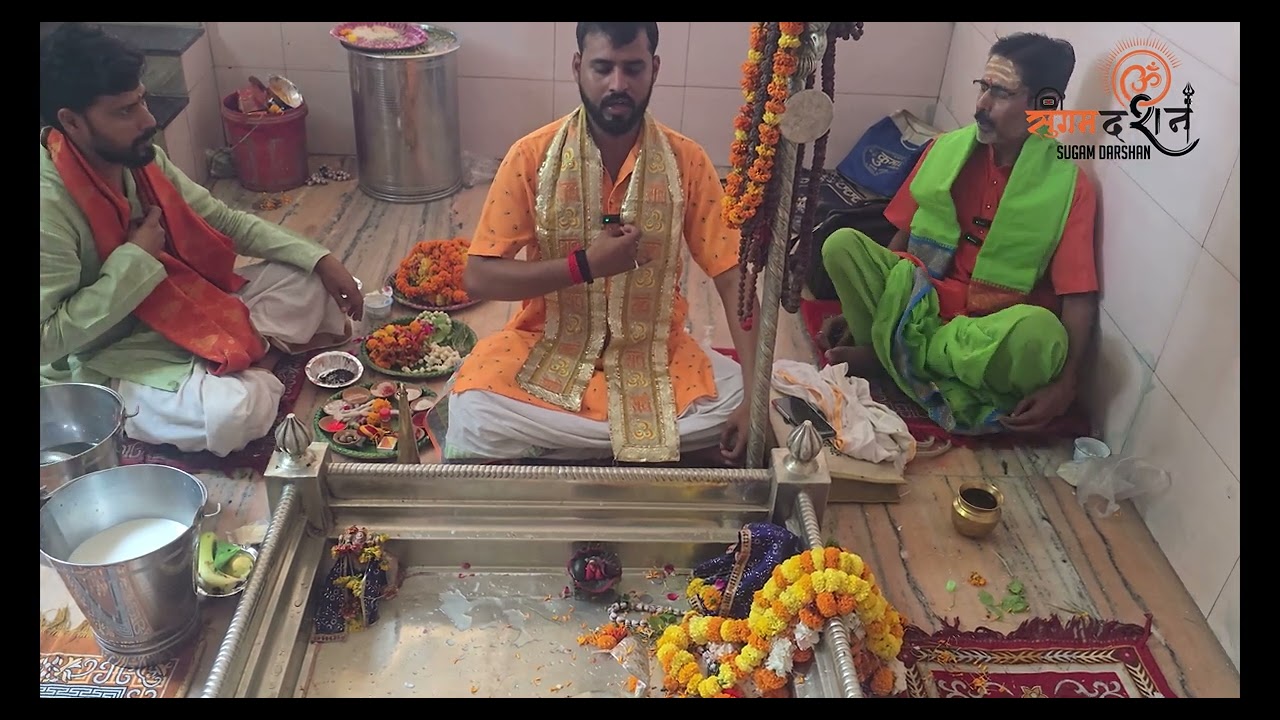
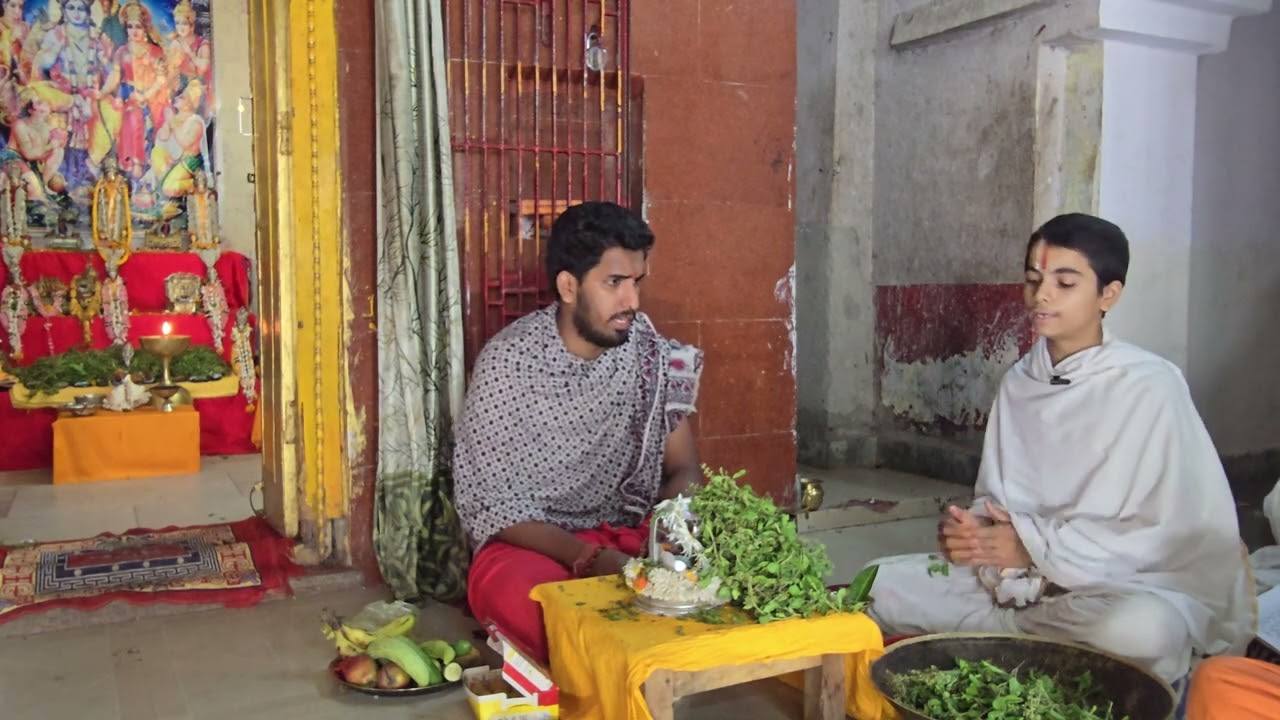
Daily rituals, Vedic chanting, special pujas, and devotional ceremonies create a spiritually uplifting atmosphere. The temple's serene surroundings encourage meditation and deep devotion.
Many devotees describe their visit to Badrinath as a transformative spiritual experience that strengthens their faith and connection with Lord Vishnu.
Festivals and Pilgrimage Importance
The opening and closing ceremonies of Badrinath Temple are among the most significant religious events in India. Due to heavy snowfall, the temple remains open only during the pilgrimage season, generally from April or May until October or November.
Major festivals such as Badri-Kedar Utsav, Janmashtami, Mata Murti Ka Mela, and Vijayadashami are celebrated with great devotion. During these occasions, the temple is adorned beautifully and special prayers are offered.
Badrinath is one of the four sacred destinations of the Char Dham pilgrimage, along with Kedarnath Temple, Gangotri Temple, and Yamunotri Temple.
A pilgrimage to Badrinath is considered one of the most spiritually rewarding journeys in Hindu tradition.
Importance of The Temple
Sacred Significance and Divine Blessings
Sacred Char Dham Pilgrimage Site
One of the four most important pilgrimage destinations in Hinduism.
Divine Abode of Lord Vishnu
Dedicated to Lord Badri Narayan, the protector and sustainer of the universe.
Gateway to Spiritual Liberation
Devotees believe darshan here helps attain moksha and divine blessings.
Himalayan Center of Devotion
Nestled amidst sacred mountains and divine natural beauty.
Pujas Performed in The Temple
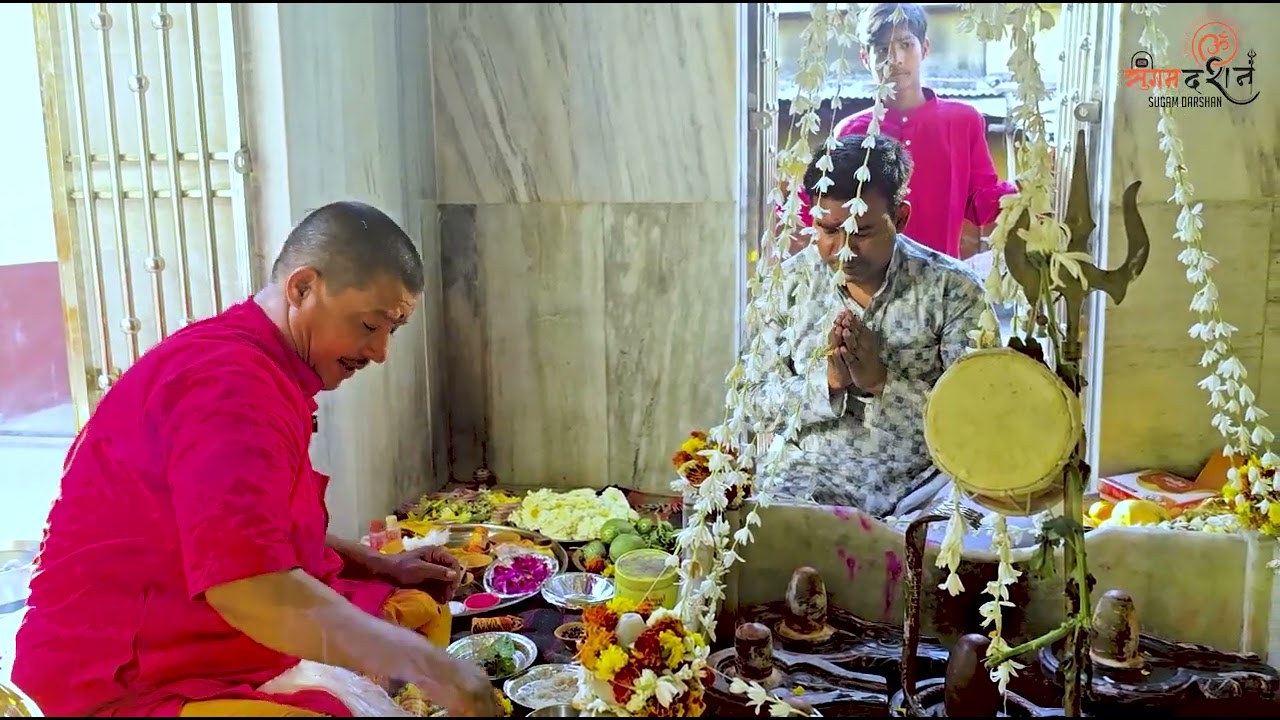
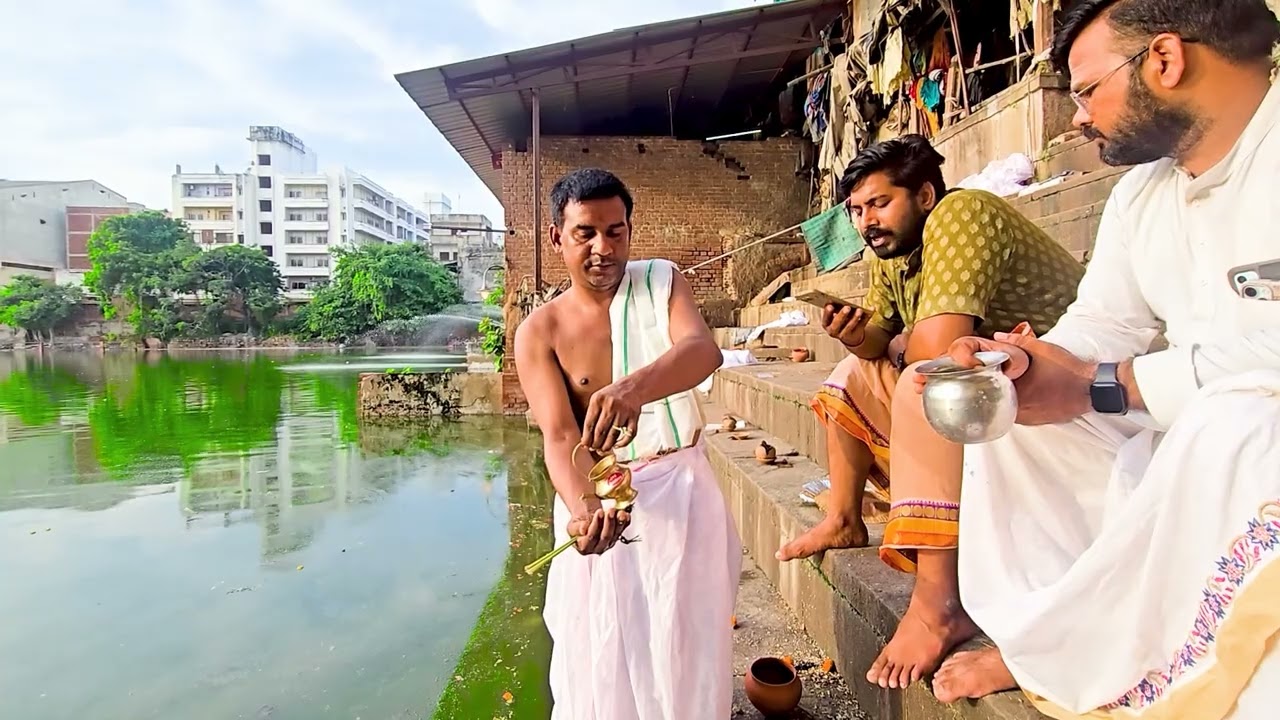
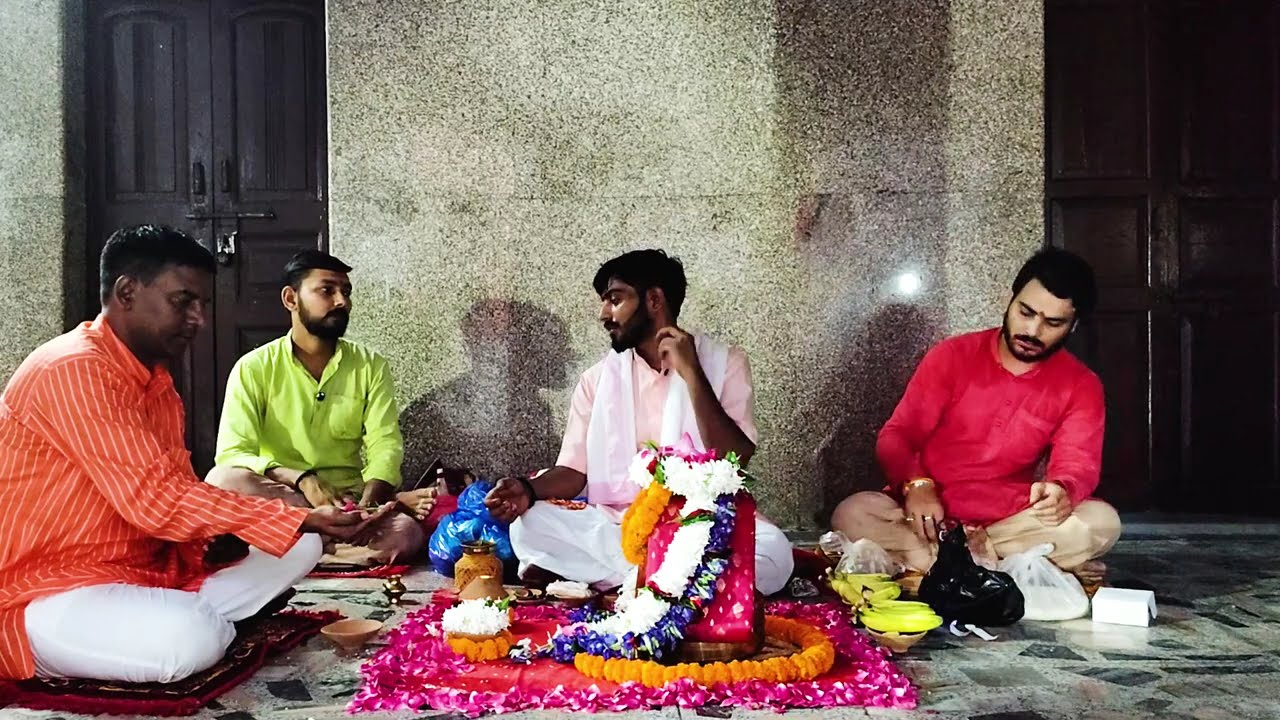
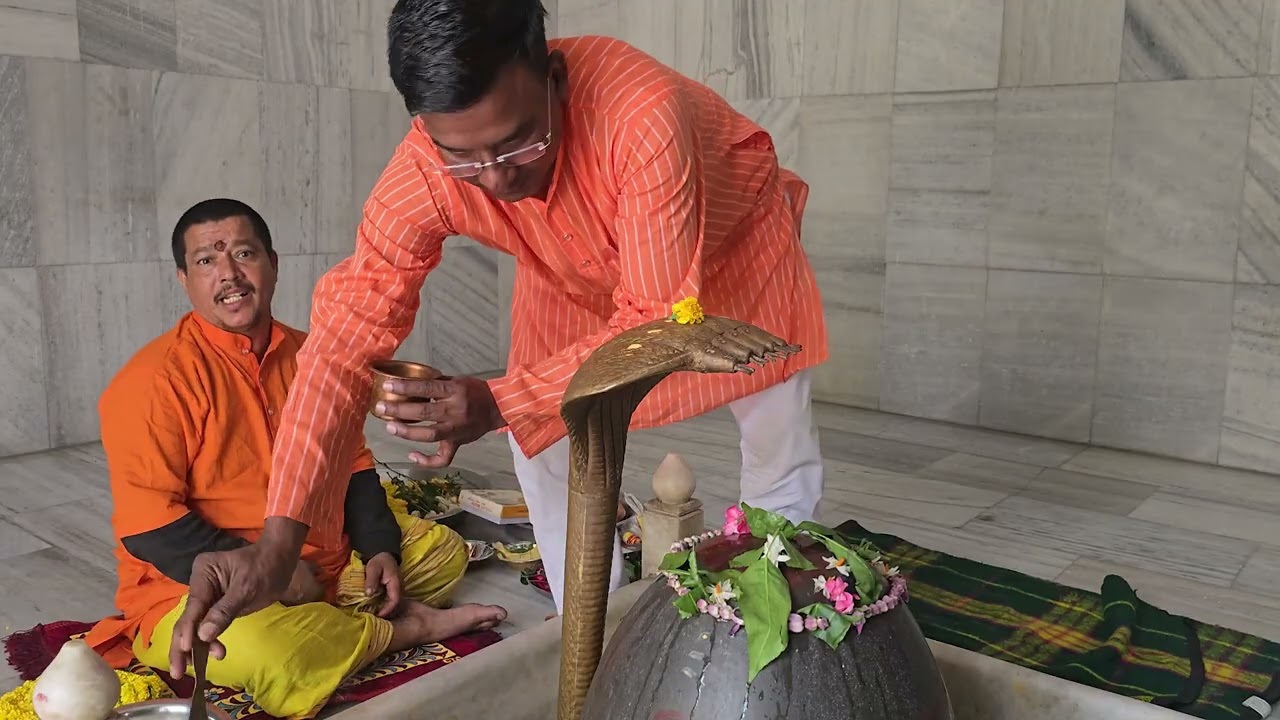
Sacred Rituals and Divine Ceremonies
Daily Rituals
Special Pujas
Popular Offerings
Darshan of Aarti Timings
Temple Opening Hours and Aarti Schedule
Temple Darshan Timings
Daily schedule for temple visits
Morning Darshan
Morning Darshan
Afternoon Closure
Afternoon Closure
Evening Darshan
Evening Darshan
How to Reach Temple
Plan Your Sacred Journey to the Temple
By Airplane
Nearest Airport: Nearest Airport: Jolly Grant Airport
Distance: Distance: Approx. 310 KM
Travel Time: Travel Time: 10–12 Hours by Road
By Train
Nearest Station: Nearest Railway Station: Rishikesh Railway Station
Distance: Distance: Approx. 295 KM
Travel Time: Travel Time: 10–11 Hours
By Road
Bus Stand: Nearest Bus Stand: Badrinath Bus Stand
Distance: Distance: Walking Distance
Travel Time: Travel Time: 2–5 Minutes
Important Travel Information
Distance from Major Cities
New Delhi
540 KM 14–16 Hours
Mumbai
1,850 KM 32–36 Hours
Kolkata
1,700 KM 30–32 Hours
Lucknow
320 km
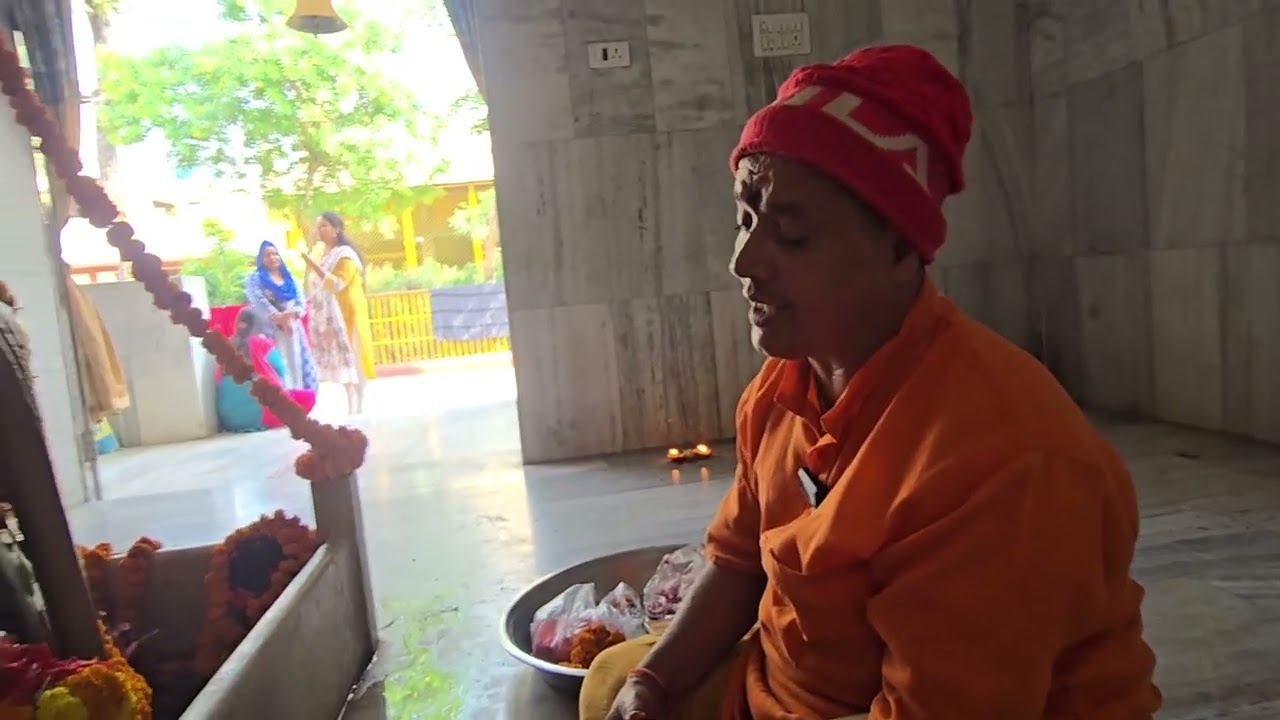
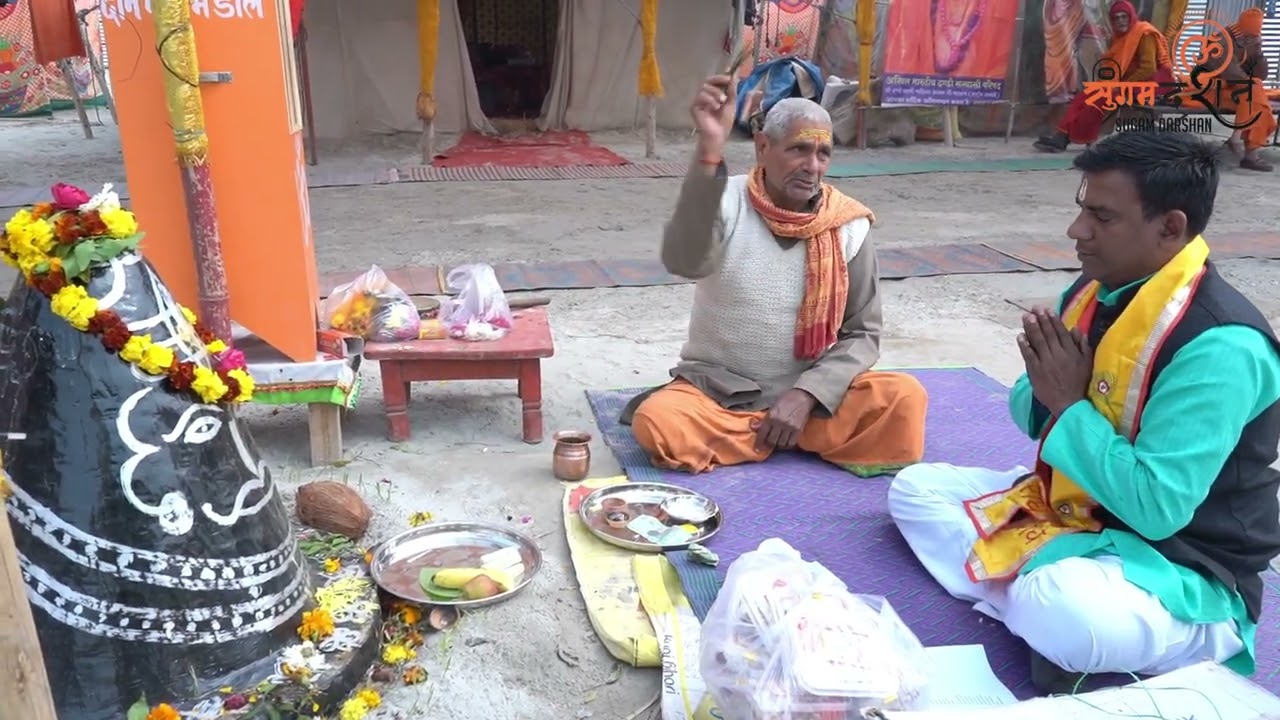
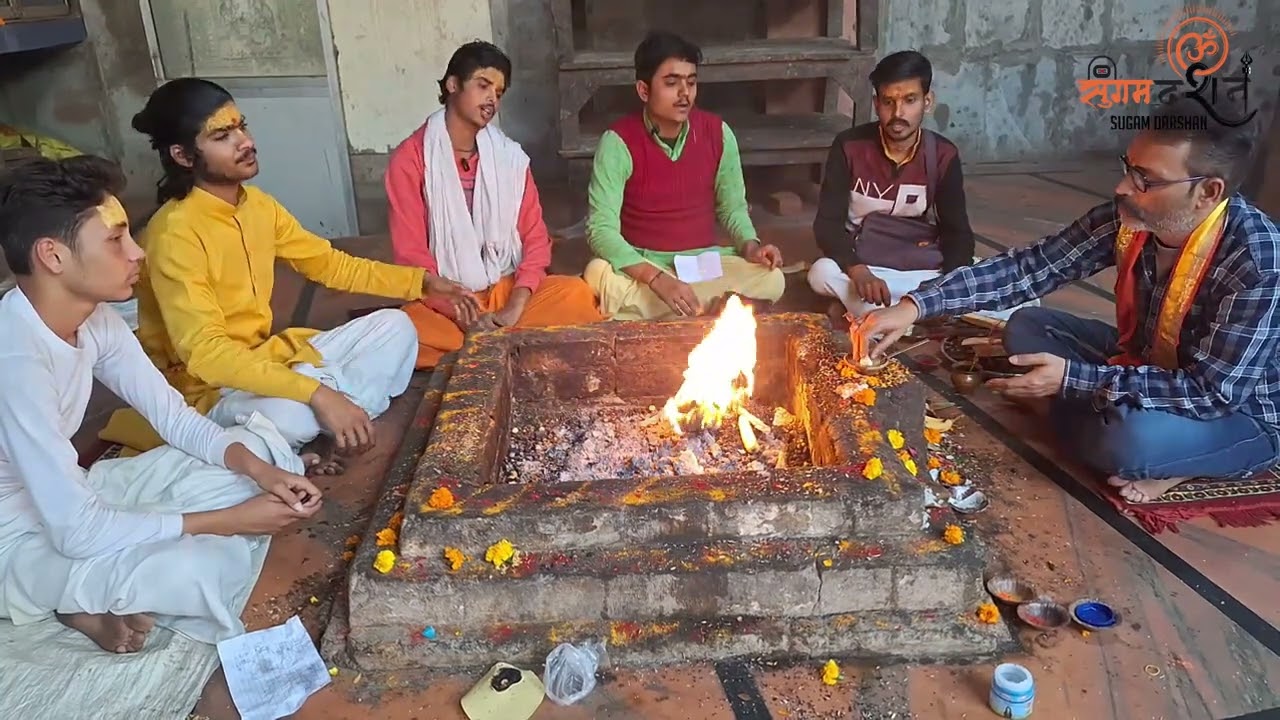

Got Questions? We've Got Answers
Everything you need to know about temple darshan and puja services
Experience Hindu Pujas & Sewa with Sugam Darshan