
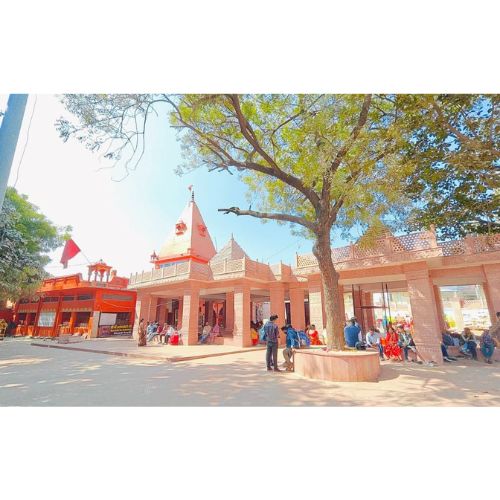
Alopi Devi Shakti Peeth Mandi
Sacred Shakti Peeth of Maa Alopi in Prayagraj blessing devotees with protection, prosperity, divine grace, and fulfillment.
Disclamer:
Stuti & Sloka
The Goddess grants all auspicious blessings.
Translation:
The Goddess grants all auspicious blessings.
Glory to Divine Mother Ambe.
Translation:
Glory to Divine Mother Ambe..
Salutations to Maa Alopi.
Translation:
Salutations to Maa Alopi.
Sacred Mantras
Devi Beej Mantra
ॐ ऐं ह्रीं श्रीं दुर्गायै नमः॥
Om Aim Hreem Shreem Durgaayai Namah
This powerful mantra awakens divine feminine energy, removes negativity, grants courage, and blesses devotees with success and protection.
Story of The Temple
Divine Tales and Sacred History
“माँ शक्ति की शरण में आने वाला भक्त भय, दुःख और बाधाओं से मुक्त होकर दिव्य कृपा प्राप्त करता है।”
Divine Glory of Alopi Devi Shakti Peeth
Alopi Devi Temple in Prayagraj is one of the most unique and revered Shakti Peeths in India. Located in the famous Alopibagh area near the sacred Triveni Sangam, the temple is dedicated to Maa Alopi, a mysterious and divine manifestation of Adi Shakti.
Unlike traditional temples that house an idol, Alopi Devi Temple is famous because the Goddess is worshipped in an invisible or “Alopi” form. The main sanctum contains a sacred wooden cradle (Doli) which is worshipped as the divine presence of Maa Alopi.
Thousands of devotees visit the temple every day seeking blessings for protection, prosperity, health, family happiness, and fulfillment of wishes. The temple's unique spiritual atmosphere attracts pilgrims from across India.
The divine energy and ancient traditions associated with Maa Alopi make this temple one of the most important spiritual destinations in Prayagraj..
Mythological Origin of Maa Alopi
According to Shakti Peeth traditions, the temple is connected with the legend of Goddess Sati. After Sati's self-immolation, Lord Shiva carried her body across the universe. During this journey, various body parts of the Goddess fell at different locations creating sacred Shakti Peeths.
Local belief states that the final remaining portion of Maa Sati's body disappeared (Alop Ho Gaya) at this sacred place. Because the divine body vanished completely, the site became known as Alopi Devi.
Another tradition suggests that a bridal palanquin mysteriously disappeared at this location, revealing the divine presence of the Goddess. Since then, devotees have worshipped Maa Alopi as an invisible manifestation of Divine Mother.
These sacred legends have made the temple a powerful center of faith, devotion, and divine protection.
Historical and Architectural Importance
Alopi Devi Temple has remained an important pilgrimage center for centuries and holds a special place in the spiritual traditions of Prayagraj. The temple is unique because there is no conventional idol in the sanctum.
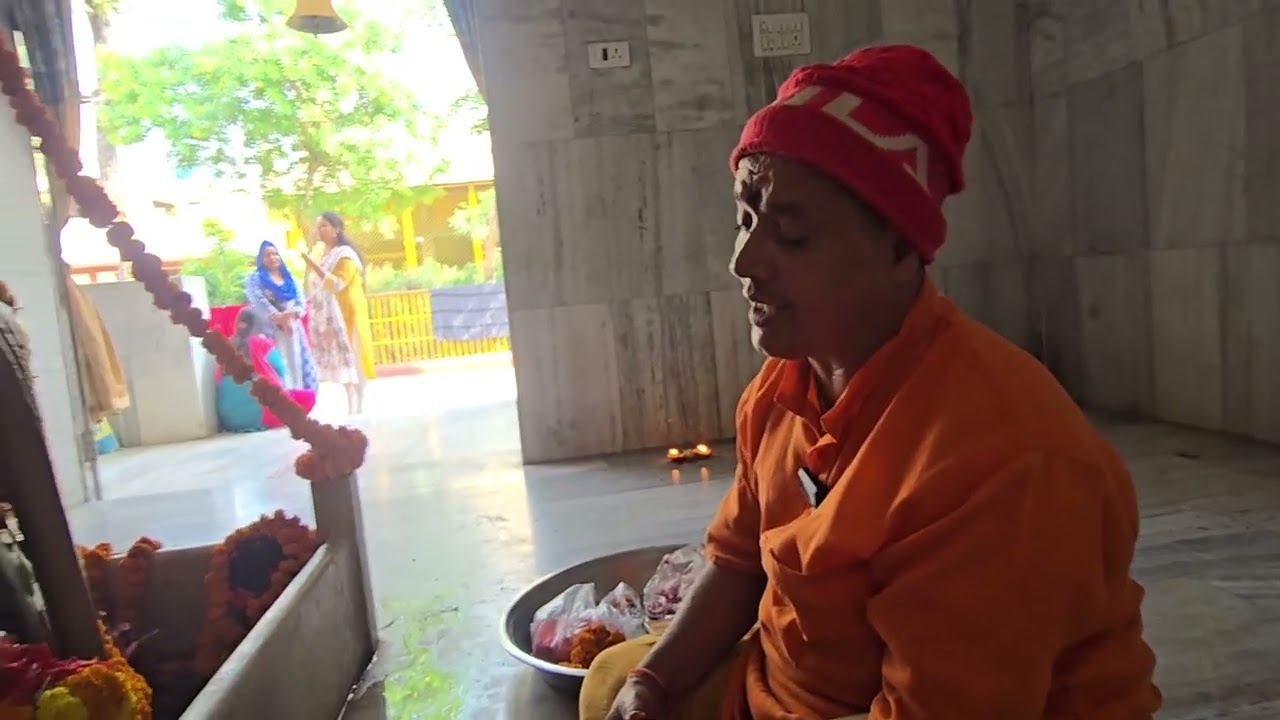
The sacred wooden cradle placed inside the temple represents the divine presence of the Goddess. Devotees offer flowers, red chunari, coconuts, sweets, and prayers to the sacred shrine.
The temple architecture reflects traditional North Indian temple design with spacious courtyards, prayer halls, and facilities for pilgrims. Continuous devotional chanting and sacred rituals create a deeply spiritual atmosphere.
The temple remains one of the most distinctive Shakti temples in India and attracts devotees throughout the year.
Spiritual Energy and Religious Importance
Alopi Devi Temple is considered a highly powerful Shakti Peeth where devotees seek protection from difficulties, fulfillment of wishes, and blessings of the Divine Mother.
The temple is especially significant for women, families, newly married couples, and devotees seeking peace, prosperity, and spiritual guidance. Many pilgrims believe that prayers offered here are fulfilled quickly through the grace of Maa Alopi.
The temple's sacred energy inspires faith, devotion, and surrender to the Divine Mother. The atmosphere during aarti and Devi worship creates an uplifting spiritual experience.
The temple symbolizes the mysterious and infinite nature of Shakti, reminding devotees that divine presence transcends physical form.
Festivals and Pilgrimage Importance
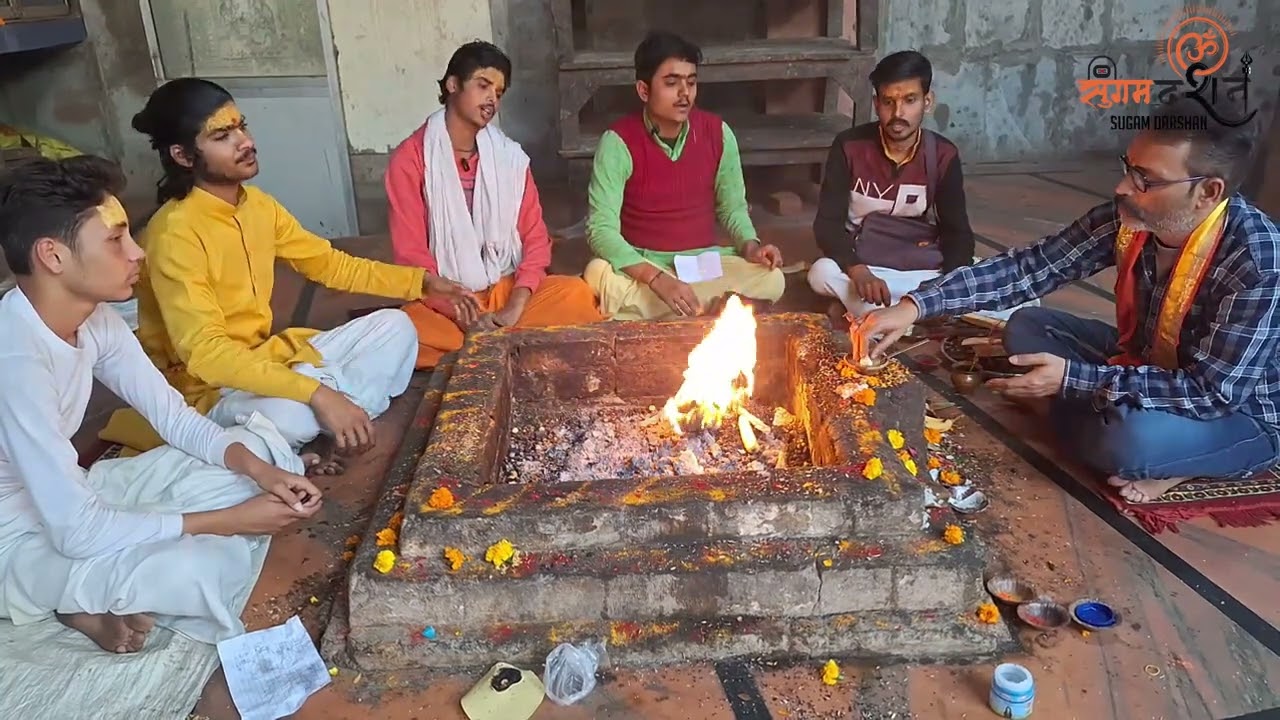
Alopi Devi Temple becomes especially vibrant during Chaitra Navratri, Sharadiya Navratri, Durga Puja, and other major Shakti festivals. Thousands of devotees gather for special pujas, havans, bhajans, and devotional celebrations.
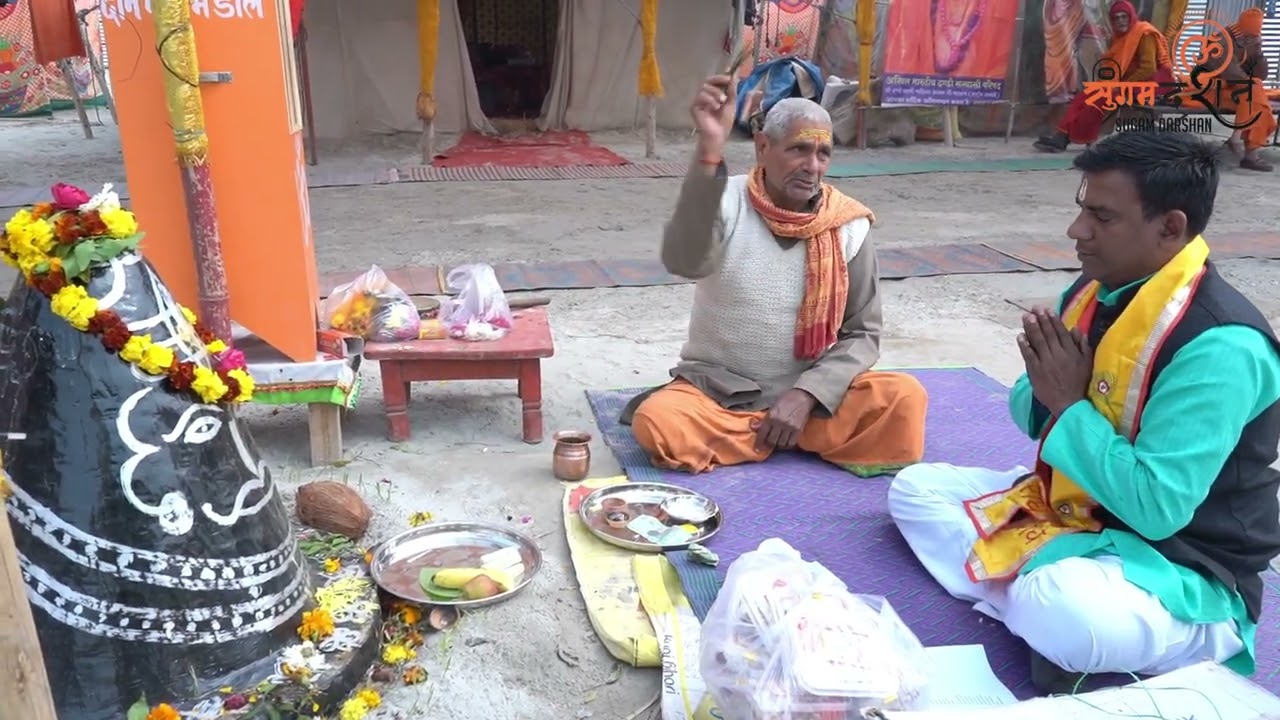
Daily rituals include Mangala Aarti, Devi Archana, Bhog offerings, mantra chanting, and Sandhya Aarti. The temple also receives large numbers of pilgrims during Magh Mela and Kumbh Mela due to its proximity to Triveni Sangam.
The temple remains an integral part of Prayagraj’s spiritual landscape and one of the most important centers of Goddess worship in North India.
Importance of The Temple
Sacred Significance and Divine Blessings
Unique Idol-Less Shakti Peeth
The temple worships Maa Alopi in a divine invisible form rather than a traditional idol.
Sacred Connection with Maa Sati
The temple is associated with ancient Shakti Peeth traditions linked to Goddess Sati.
Powerful Center of Wish Fulfillment
Devotees seek blessings for protection, prosperity, and family happiness.
Spiritual Jewel of Prayagraj
The temple remains one of Prayagraj's most sacred and revered pilgrimage sites.
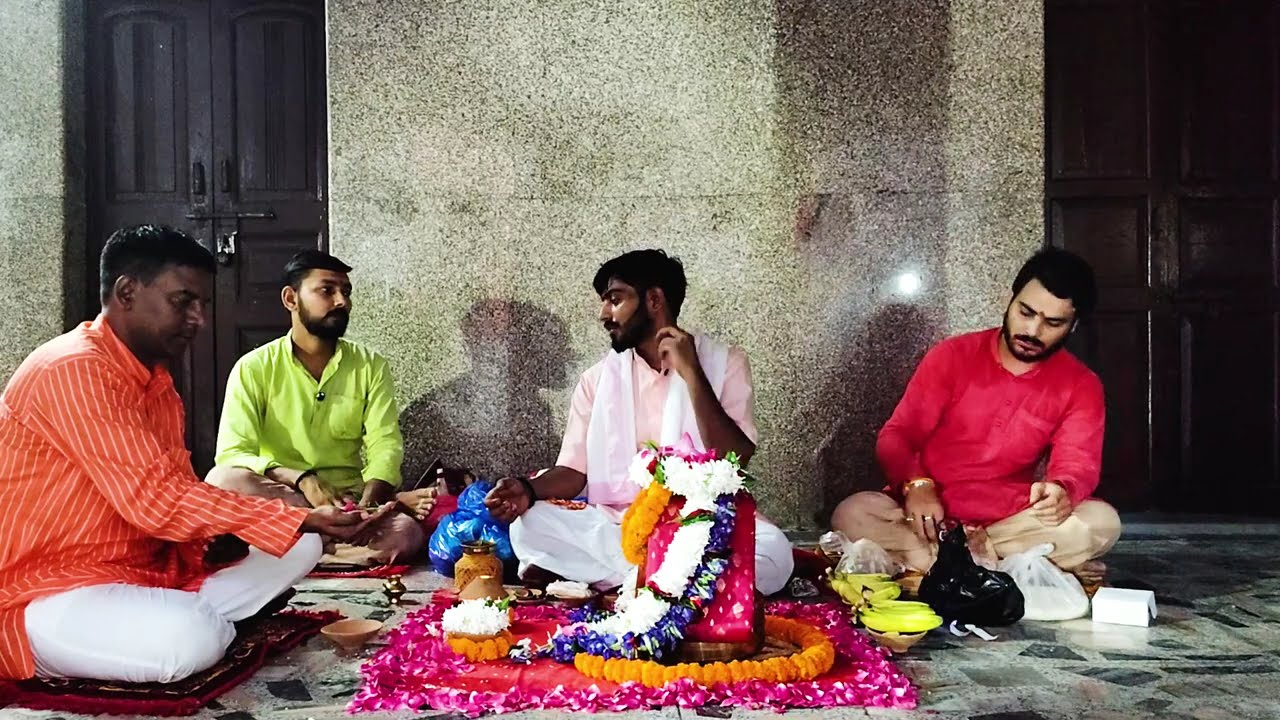
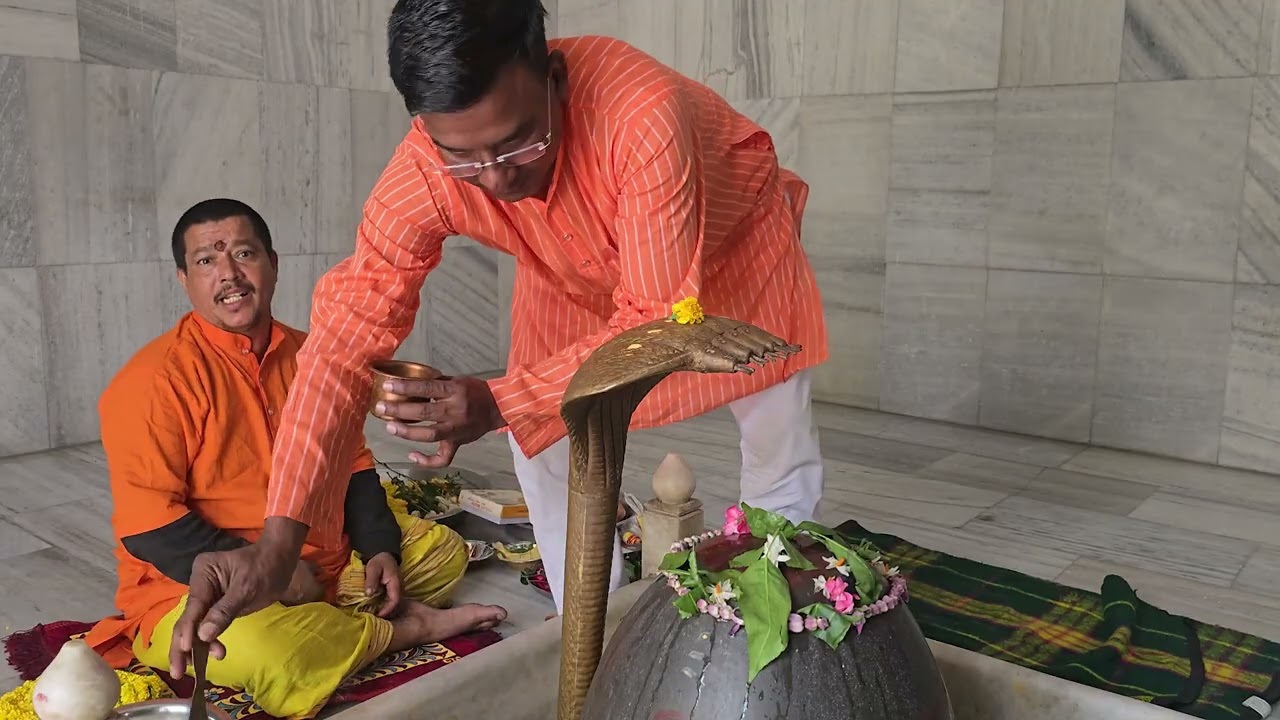
Pujas Performed in The Temple
Sacred Rituals and Divine Ceremonies
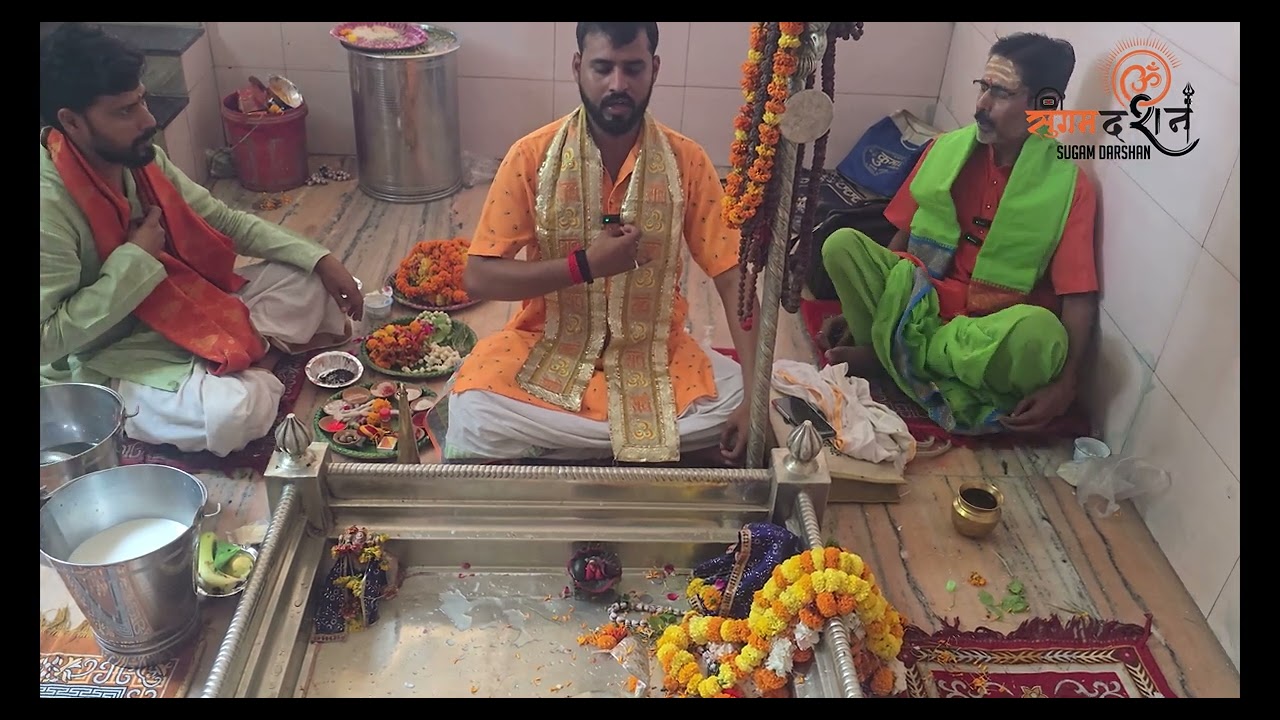
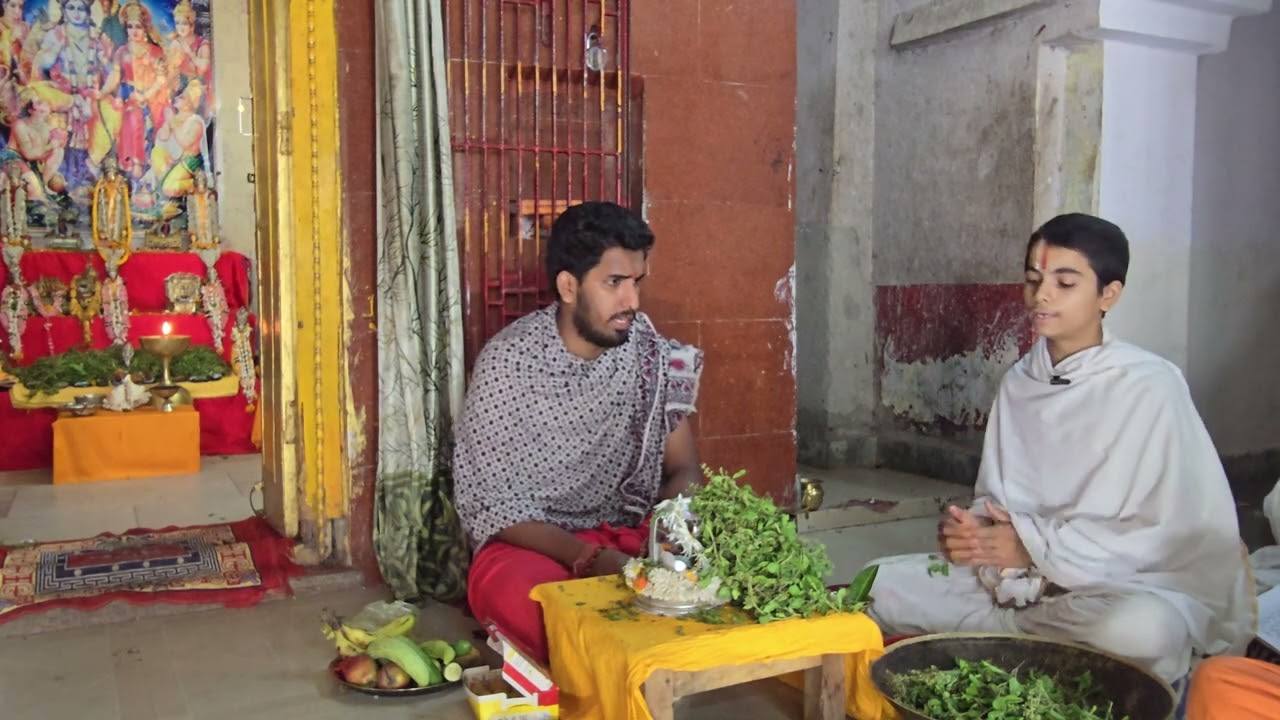
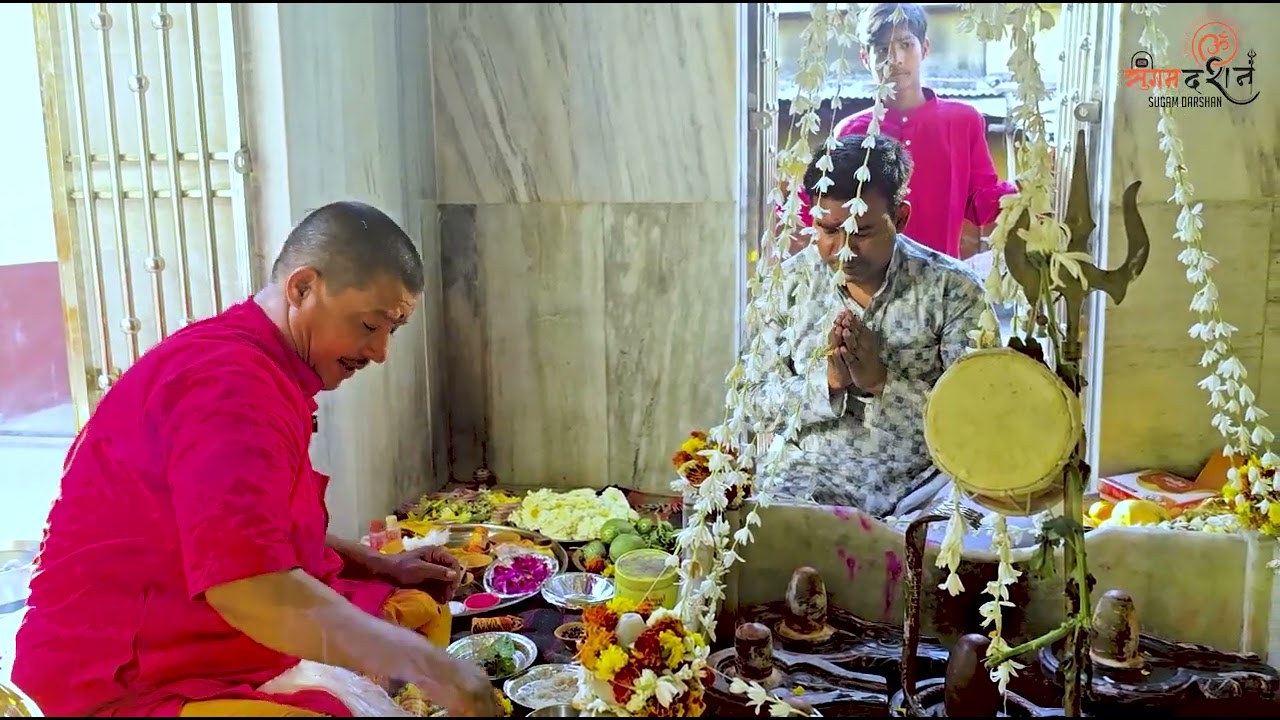
Daily Rituals
Special Pujas
Popular Offerings
Darshan of Aarti Timings
Temple Opening Hours and Aarti Schedule
Temple Darshan Timings
Daily schedule for temple visits
Morning Darshan
Morning Darshan offers a peaceful opportunity to connect deeply with the divine presence through sacred aartis, Vedic chants, and devotional atmosphere.
Afternoon Closure
Afternoon closure timing is dedicated to offering bhog, spiritual maintenance, and private rituals of the deity.
Evening Darshan
The divine atmosphere of Evening Darshan creates a deeply emotional and devotional experience filled with sacred chants and blessings.
How to Reach Temple
Plan Your Sacred Journey to the Temple
By Airplane
Nearest Airport: Nearest Airport: Prayagraj Airport
Distance: Distance: Approx 15 KM
Travel Time: Travel Time: 35–40 Minutes
By Train
Nearest Station: Nearest Railway Station: Prayagraj Junction
Distance: Distance: Approx 6 KM
Travel Time: Travel Time: 20 Minutes
By Road
Bus Stand: Nearest Bus Stand: Civil Lines Bus Stand
Distance: Distance: Approx 5 KM
Travel Time: Travel Time: 15 Minutes
Important Travel Information
Distance from Major Cities
New Delhi
700 KM
Mumbai
1350 KM
Kolkata
800 KM
Lucknow
320 km



Got Questions? We've Got Answers
Everything you need to know about temple darshan and puja services
Experience Hindu Pujas & Sewa with Sugam Darshan